不是不是
bú shì bú shìCommon spoken expression used by native Chinese speakers in daily life.
[Scene: 其他场景]
(4 clips) 00:02
 00:02
(没多少 刚好到客厅吧) ── Previous context
“No. Listen to my explanation. - I hate you so much!”
 00:02
 00:02
[Scene: 职场工作]
(3 clips) 00:03
(老黄 你过来你过来 你过来找我来) ── Previous context
“No. I still need to see Hao Qiong later. I just wanted to tell you this.”
 00:03
 00:02
[Scene: 其他场景]
(2 clips) 00:03
(老罗 老罗 找你的) ── Previous context
“No, no. I'm looking for Luo Liang. I'm asking about Luo Liang's family.”
 00:03
(没多少 刚好到客厅吧) ── Previous context
“- No. Listen to my explanation. - I hate you so much!”
[Scene: 家庭日常]
(2 clips) 00:03
(是不是那个姑娘疏远你了) ── Previous context
“No. Aren't you annoying? Please go out. I want to sleep.”
 00:03
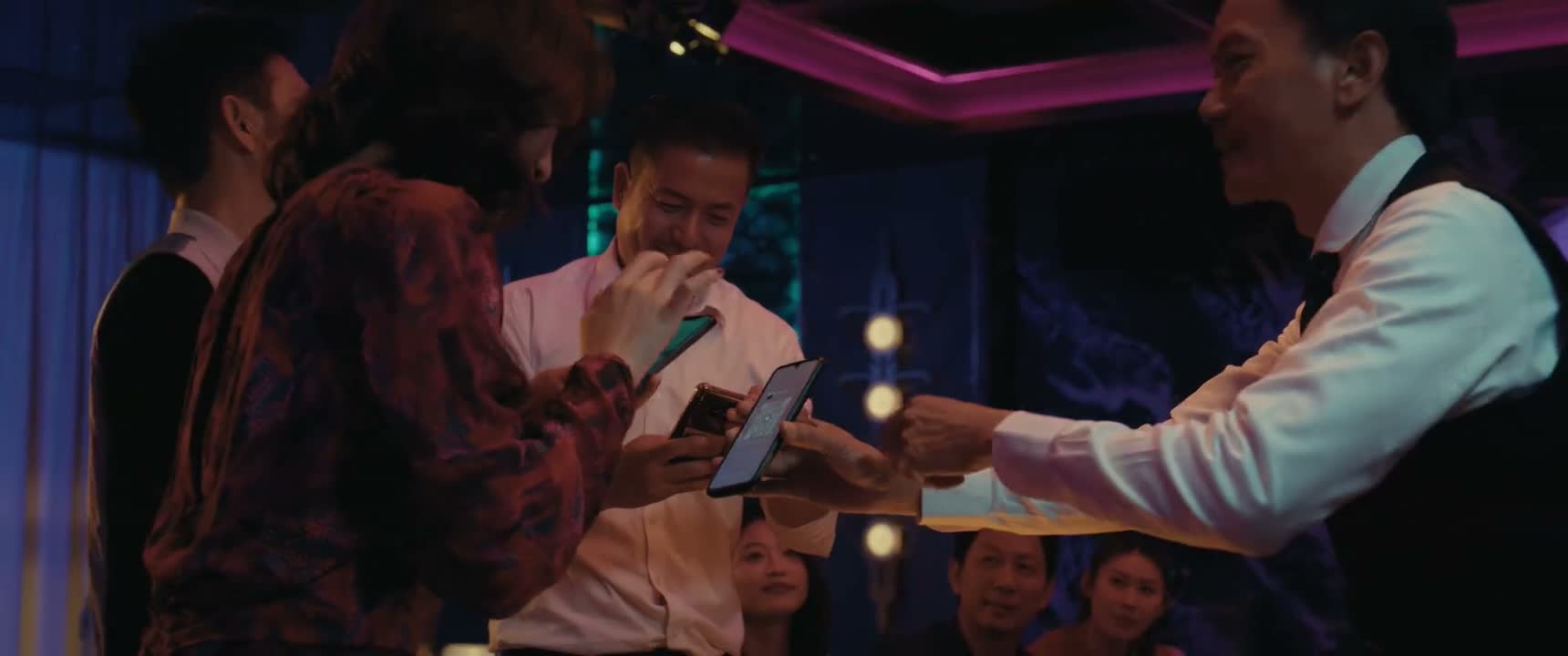
[Scene: 社交聚会]
(2 clips) 00:02
(那你为什么不告诉我呀) ── Previous context
“It's not what you think, Qian Fei. - No. - Let me explain.”
 00:03
[Scene: 商务沟通]
(1 clips) 00:03
(那这样吧 我们找别的中介再问问 货比三家 好) ── Previous context
“Let's think it over some more. Sorry. Wait, wait. Sir, ma'am.”
[Scene: 餐饮美食]
(1 clips) 00:02
[Scene: 其他场景]
(1 clips)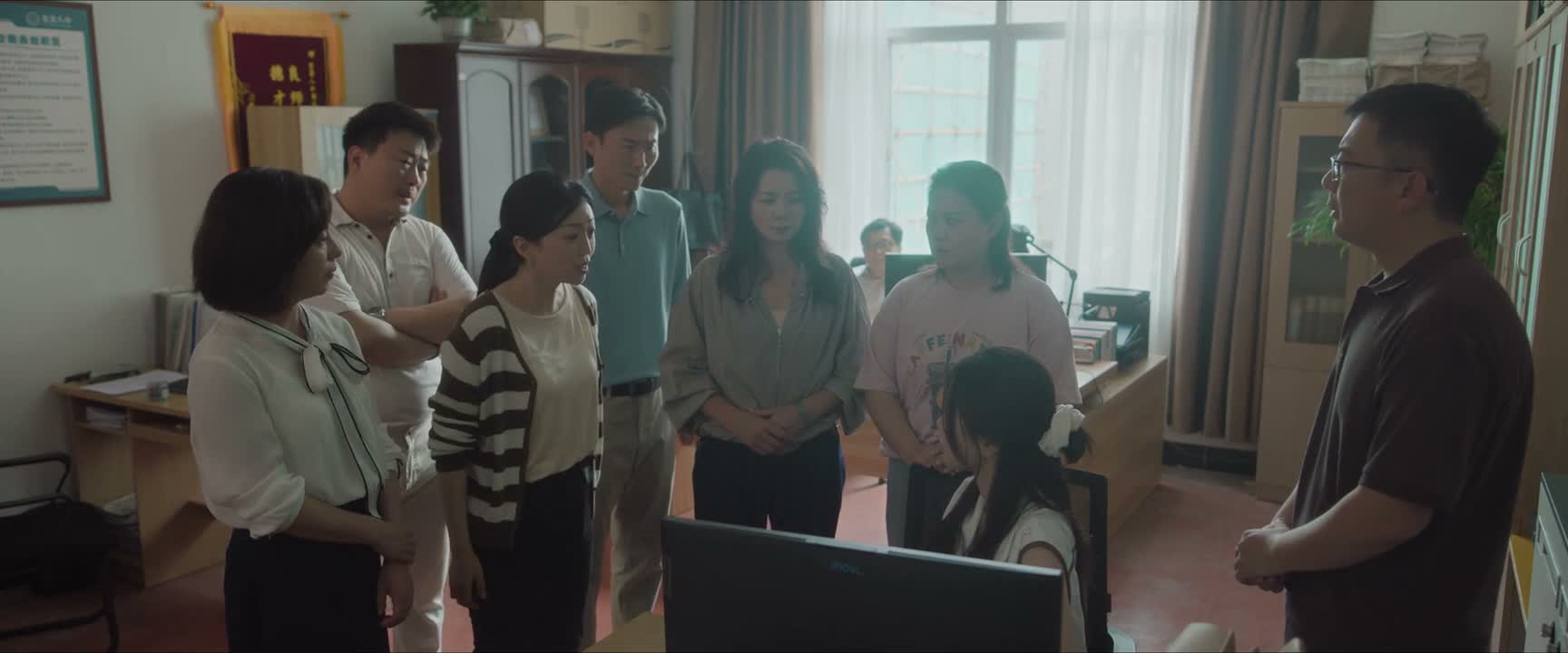 00:03
(你不是这个意思什么意思啊 不就是看不上) ── Previous context
“our kids with poor grades, don't you? No, no.”
[Scene: 出行交通]
(1 clips)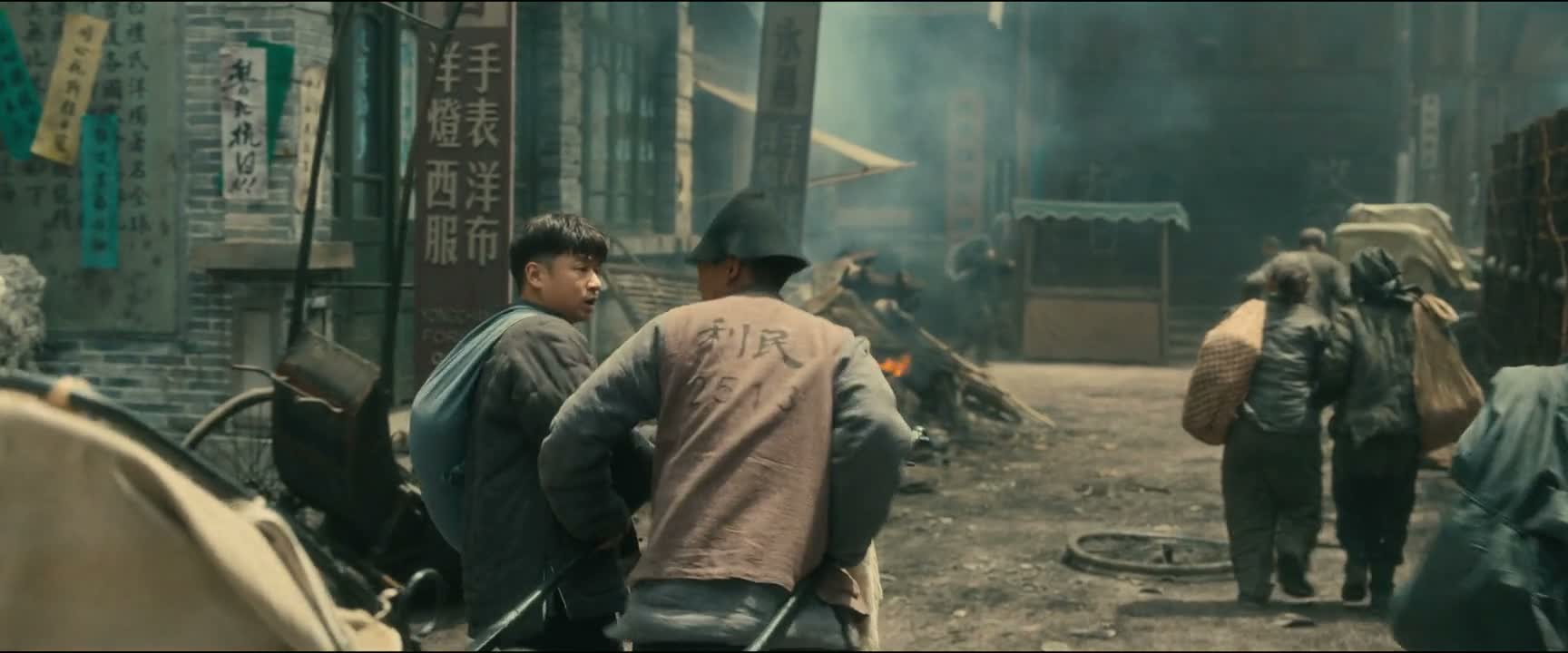 00:02
(黄包车 黄包车 走走走 码头 码头) ── Previous context
“I'm not taking passengers. No, please, brother, help me out.”
📌 没事
→Nuance: 否定安抚意图一致,可替换
📌 放心
→Nuance: 否定安抚意图一致,可替换
📌 是不是
→Nuance: 核心意图与情绪表达高度一致
📌 听我说
→Nuance: 质问意图一致,仅听者变为复数
📌 是不是你
→Nuance: 核心意图与情绪表达高度一致
📌 没问题
→Nuance: 同向近义词根配对: [我们 ↔ 咱们]
📌 不是
→Nuance: 同为否定纠正误解的表达