好玩吗?可惜我没心情陪你们玩了
“Wasn't that fun? Sadly, I'm in no mood to fool around with you.”
THE DIALOGUE REEL
我…
“I…”
好玩吗? 可惜 我 没心情 陪你们玩了
“Wasn't that fun? Sadly, I'm in no mood to fool around with you.”
“Go back to your crushed dreams and die.”
“Your childish tricks bore me, and now you're on your own to die.”
Asking '好玩吗?' (Is it fun?) in serious or conflict contexts is a classic put-down in Chinese rhetoric used to diminish the other party's serious efforts into trivial child's play.
LEARNING CHUNKS & PARTICLES
not in the mood
Everyday spoken expression indicating lack of emotional desire or patience to do something.
play along with you / humor you
Often used metaphorically in conflicts to dismiss someone's struggle or scheme as an insignificant game.
Used rhetorically here to express mocking sarcasm rather than an actual question.
Marks a change of state, indicating patience has completely run out.
VOCABULARY & EXPRESSIONS
Parallel Spoken Cinema Scenes (语义近邻切片)

“Is this fun? Yes.”
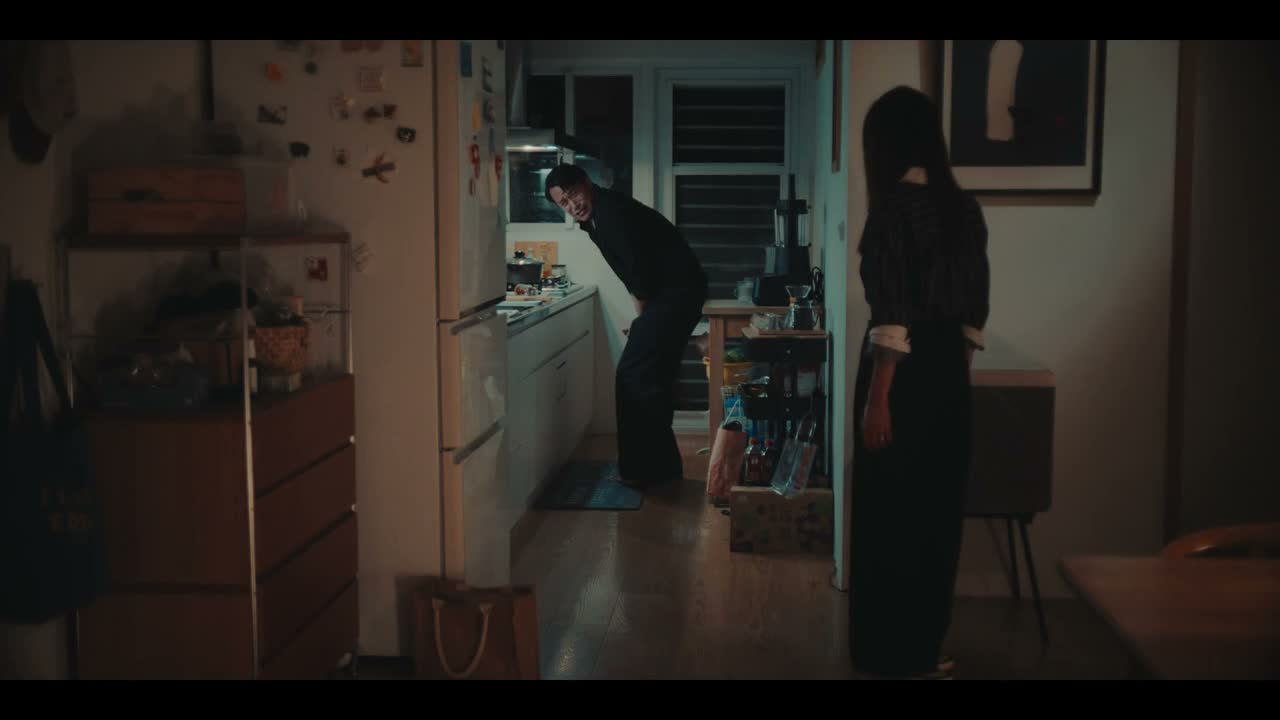
“You really never get tired of it?”
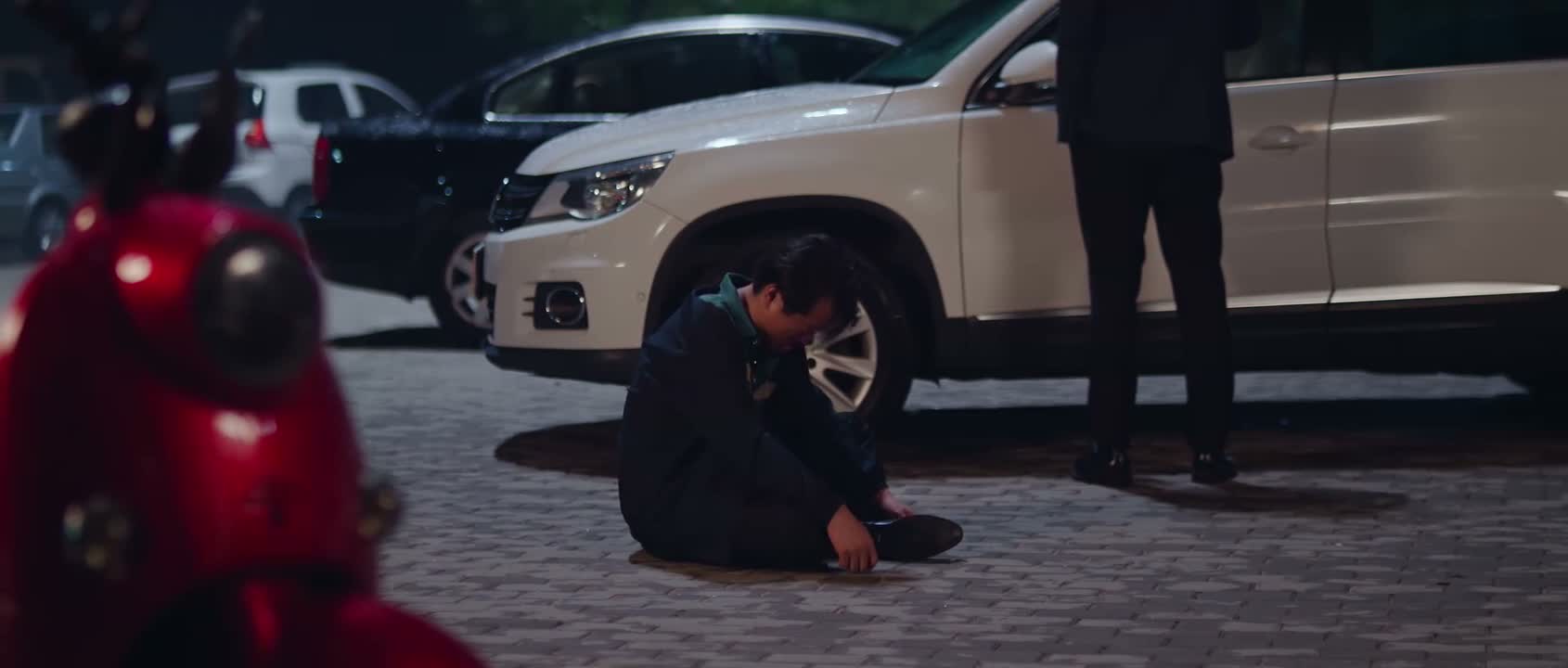
“Is it fun?”

“It's okay. Let them play. Look how happy they are.”

“Okay, have fun.”

“Do you like it? This looks nice.”