可惜
kě xīCommon spoken expression used by native Chinese speakers in daily life.
[Scene: 其他场景]
(19 clips) 00:03
(也行 听师父的 好吧 现在就剪了吧) ── Previous context
“- Who can cut hair? - What a shame. I-I have scissors for gauze.”
 00:03
 00:02
 00:02
 00:02
 00:02
(其实我也觉得 传统艺术很有魅力 但现在很多) ── Previous context
“have failed to be handed down. What a pity!”
 00:02
 00:02
 00:02
 00:02
 00:02
 00:02
 00:02
 00:03
(你们那船就不能多跑一趟 能啊) ── Previous context
“Unfortunately, you'll be dead by then. You're the one who's dead.”
 00:02
 00:02
 00:02
 00:02
 00:02
[Scene: 其他场景]
(18 clips) 00:03
 00:03
(你就是想让人知道 这徽州除了骆文松) ── Previous context
“there's also a man named Tian Benchang in Huizhou. What a shame.”
 00:02
(所以火势才没有迅速蔓延开来) ── Previous context
“Too bad that I arrived too late. I wasn't able to save him.”
 00:02
 00:02
(黑崖) ── Previous context
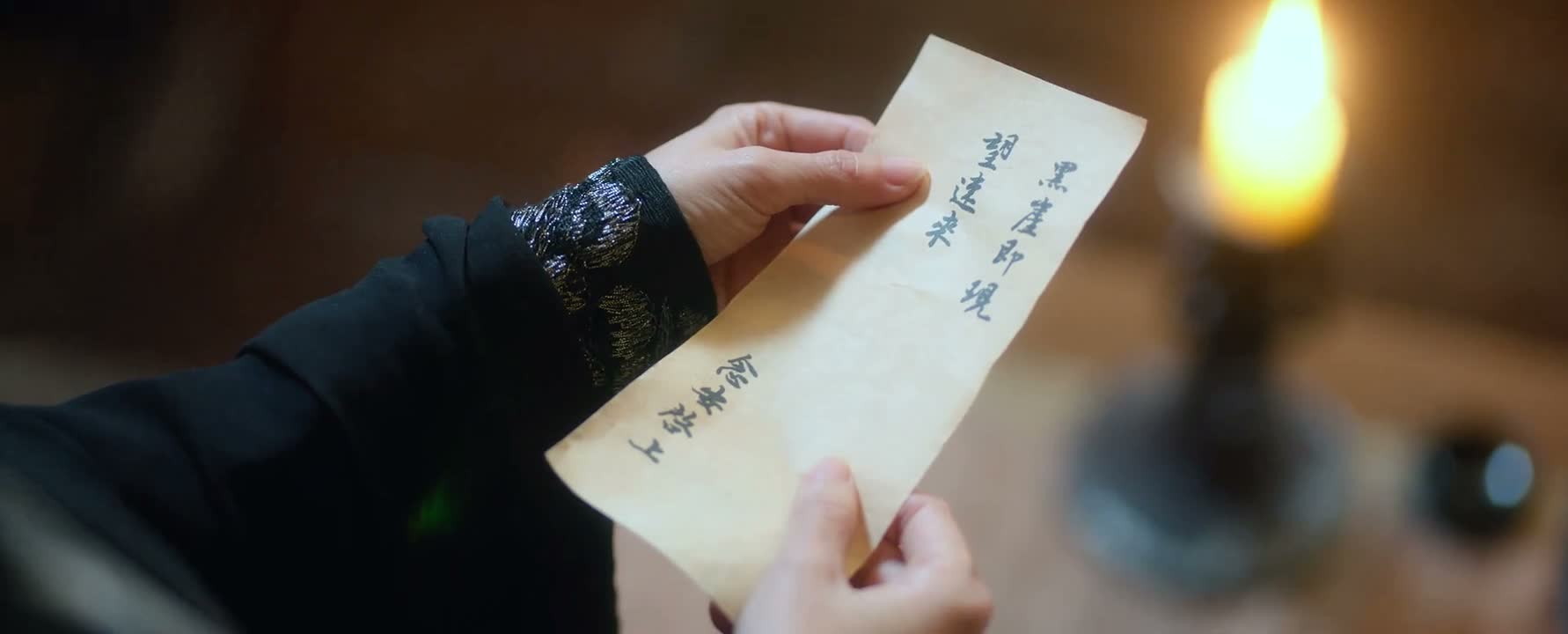
“[Hei Ya will show up soon. Come quickly] Unfortunately, I was still too late.”
 00:02
 00:03
(我有什么好难过的) ── Previous context
“Isn't he your spell bearer? Don't you find it a pity?”
 00:02
 00:03
(爱情不是儿戏 而且我了解 你们应该认识很多年了) ── Previous context
“After all that time together, ending it like this would be such a shame.”
 00:02
 00:03
 00:02
 00:03
(我…) ── Previous context
“Wasn't that fun? Sadly, I'm in no mood to fool around with you.”
 00:03
 00:03
 00:03
 00:02
 00:03
(祯娘 华儿 你松开她 放开她 祯娘 放开) ── Previous context
“You and Ronghua's friendship is moving indeed. What a pity.”
[Scene: 商务沟通]
(2 clips) 00:02
 00:03
(不过) ── Previous context
“that piece of land is indeed a rare find. It would be a pity to miss it.”
[Scene: 餐饮美食]
(1 clips) 00:03
📌 不容易
→Nuance: 同为感叹多年感情珍贵
📌 得了
→Nuance: 同向近义词根配对: [中秋节 ↔ 中秋]
📌 没人
→Nuance: 核心均指案子悬而未决
📌 来晚了
→Nuance: 意图与惋惜语气高度一致
📌 是不是
→Nuance: 同向近义词根配对: [感激 ↔ 感谢]
📌 心疼
→Nuance: 同向近义词根配对: [可惜 ↔ 心疼]
📌 我以为
→Nuance: 同义赞赏对方这样的人极少
📌 是吧
→Nuance: 核心交际意图均为不可放弃