可惜了 你是个短命鬼
“What a pity. You're going to die young.”
THE DIALOGUE REEL
我是怕你们洋文不好 担心洋大人吃不上热饭 走吧
“I'm worried that your foreign language is too poor, and the foreign gentleman wouldn't get a hot meal. Let's go.”
可惜了 你是个 短命鬼
“What a pity. You're going to die young.”
白珠
“Bai Zhu,”
“Too bad for you, you're not going to survive this.”
Affixing '鬼' (gui) to traits is common in Chinese curses and insults, tapping into deep cultural taboos surrounding untimely death.
LEARNING CHUNKS & PARTICLES
what a pity / such a shame
Can express genuine regret or, as here, condescending and sarcastic mock pity.
someone destined to die young / short-lived person
A harsh, derogatory curse word often used in dramatic threats or scolding.
Expresses completion and emphatic realization regarding the state of pity.
VOCABULARY & EXPRESSIONS
Parallel Spoken Cinema Scenes (语义近邻切片)

“What a shame. She got dragged down by her father.”
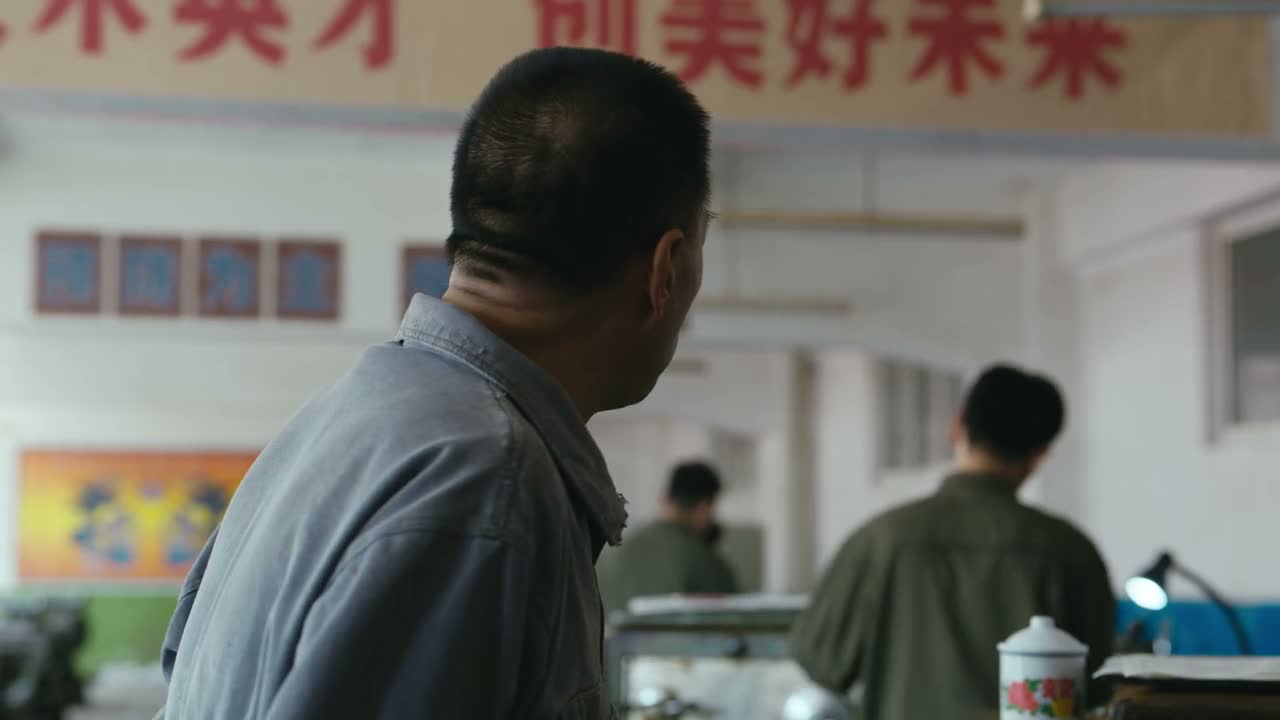
“It's a shame. Though I've got all my skills,”

“Too bad. I honestly thought you were an exhibitionist,”
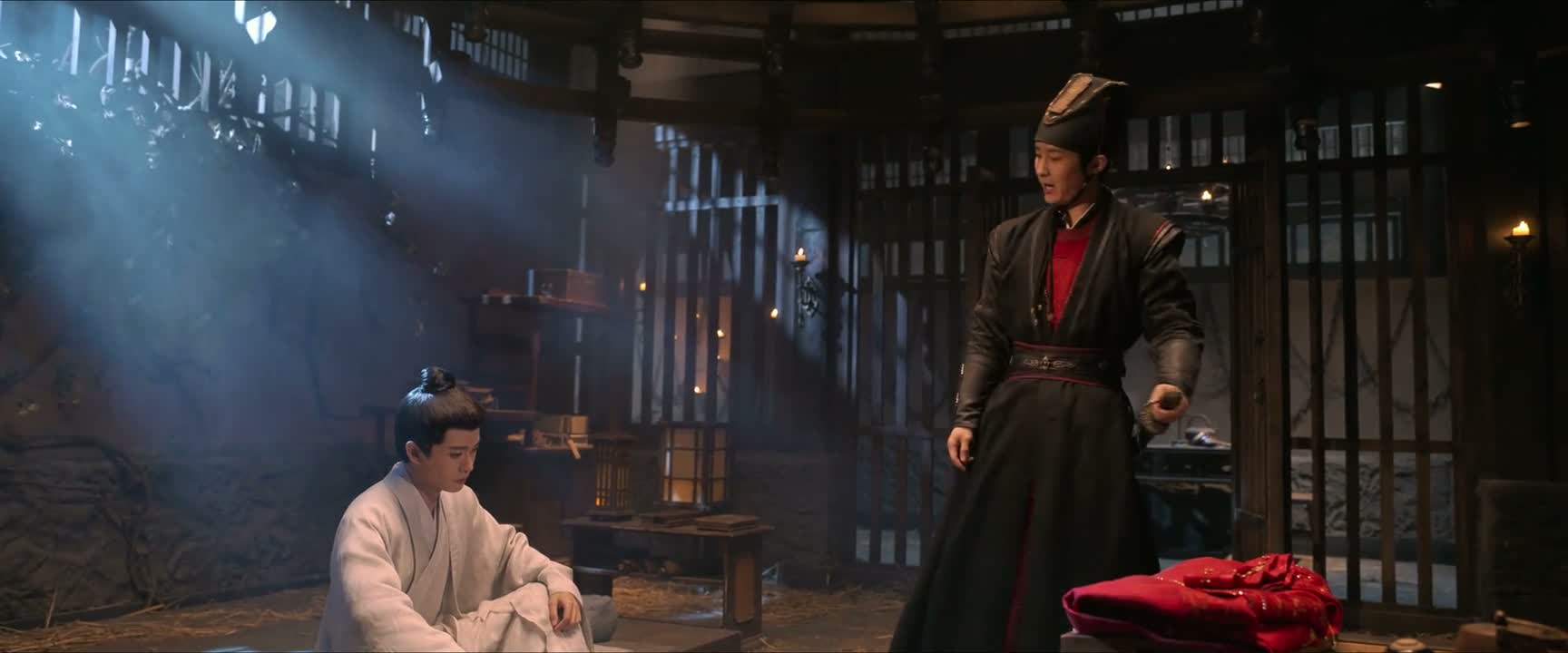
“It's a pity that you can't see the colors.”

“Unfortunately, she was bored with stories and then left this place.”

“It's a shame. This piece probably won't get published now.”