可惜了
kě xī leCommon spoken expression used by native Chinese speakers in daily life.
[Scene: 社交聚会]
(12 clips) 00:02
 00:02
 00:02
 00:03
(段三公子 今日来找新花魁) ── Previous context
“Unfortunately, she was bored with stories and then left this place.”
 00:03
(您看我干吗呀 我觉得你说得特别对 非常正确) ── Previous context
“But what a pity it is for Can not to be an actress!”
 00:02
 00:02
 00:02
 00:03
(我愿意跟她一起 一辈子 去追梦) ── Previous context
“Too bad about the 56 countries. Someone's column stopped updating.”
 00:02
 00:02
 00:03
(王法的经纪人) ── Previous context
“Too bad. I honestly thought you were an exhibitionist,”
[Scene: 其他场景]
(7 clips) 00:03
(也行 听师父的 好吧 现在就剪了吧) ── Previous context
“- Who can cut hair? - What a shame. I-I have scissors for gauze.”
 00:02
 00:02
(其实我也觉得 传统艺术很有魅力 但现在很多) ── Previous context
“have failed to be handed down. What a pity!”
 00:02
 00:02
 00:02
 00:02
[Scene: 职场工作]
(7 clips) 00:03
(是啊 人家又乖巧又懂事) ── Previous context
“With someone that promising, it'd be a waste not to mentor her. Besides, Yuan will thank me for it.”
 00:02
(硬拼太难) ── Previous context
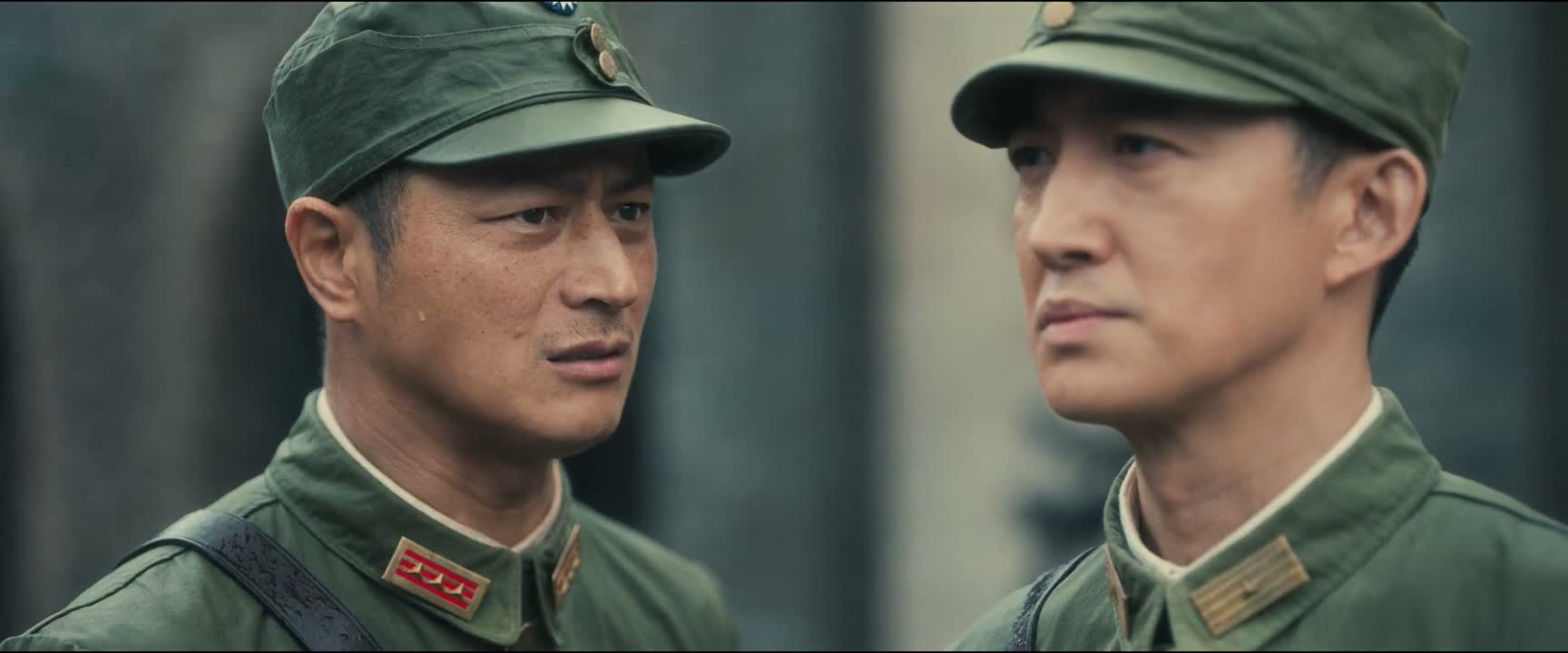 00:03
(旅长 姓于这小子打仗是把好手) ── Previous context
“With a formidable enemy ahead, if we kill him now, it would be a great pity.”
 00:02
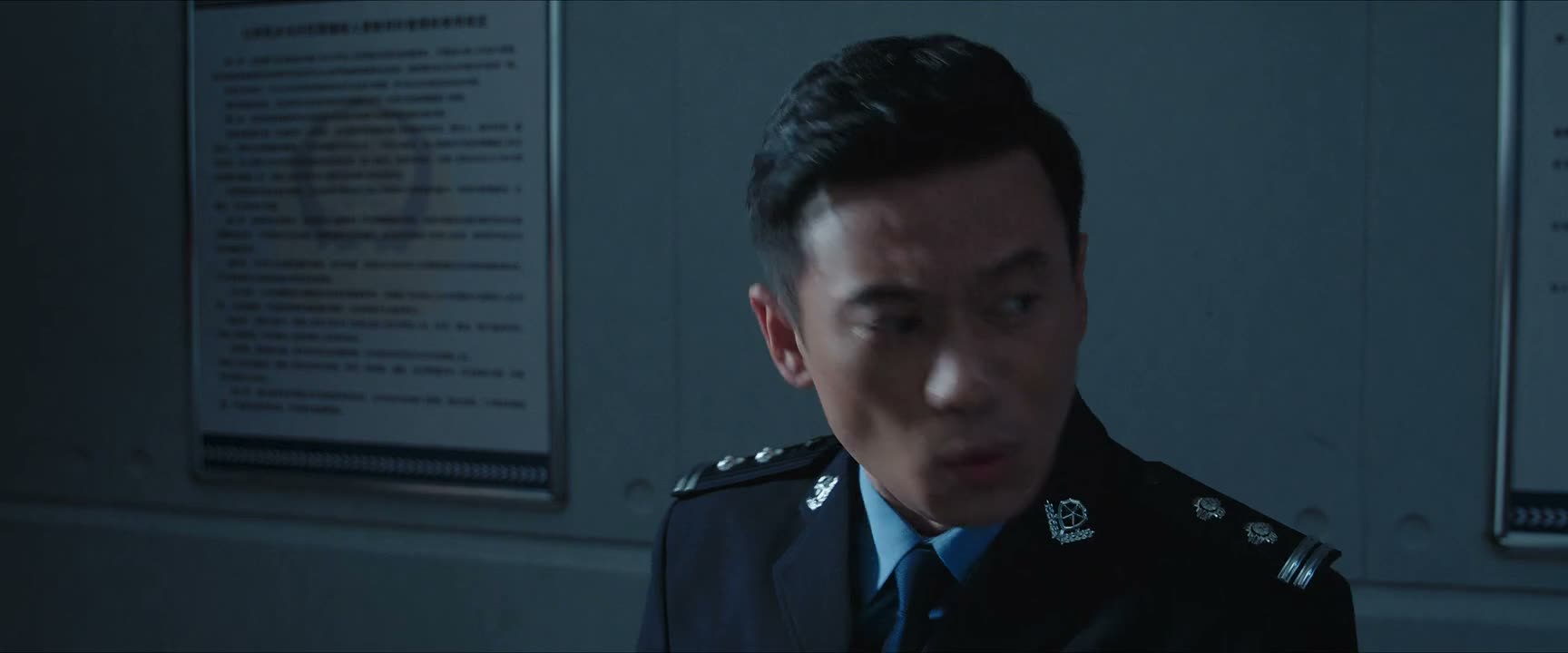 00:03
(让我再去试一次行吗 我就试一次 行了) ── Previous context
“Haste makes waste. It's such a pity! Zhou Jin.”
 00:02
 00:02
[Scene: 其他场景]
(3 clips) 00:03
(你就是想让人知道 这徽州除了骆文松) ── Previous context
“there's also a man named Tian Benchang in Huizhou. What a shame.”
 00:03
 00:03
[Scene: 家庭日常]
(2 clips) 00:02
 00:03
[Scene: 历史宫廷]
(2 clips) 00:02
 00:02
[Scene: 其他场景]
(1 clips) 00:02
[Scene: 警匪刑侦]
(1 clips) 00:02
[Scene: 其他场景]
(1 clips) 00:02
📌 是不是
→Nuance: 同向近义词根配对: [感激 ↔ 感谢]
📌 真是
→Nuance: 用敬语委婉表达相同调侃
📌 真是
→Nuance: 核心交际意图完全相同可互换
📌 不是
→Nuance: 反问句式更委婉强调
📌 不是
→Nuance: 反问可惜交际意图完全一致
📌 你说
→Nuance: 同向近义词根配对: [感激 ↔ 感谢]
📌 着急
→Nuance: 均含劝慰对方别急之意
📌 来了
→Nuance: 同向近义词根配对: [已经 ↔ 早就]
📌 来
→Nuance: 同向近义词根配对: [感激 ↔ 感谢]