MC
MandarinClips Cinema Corpus
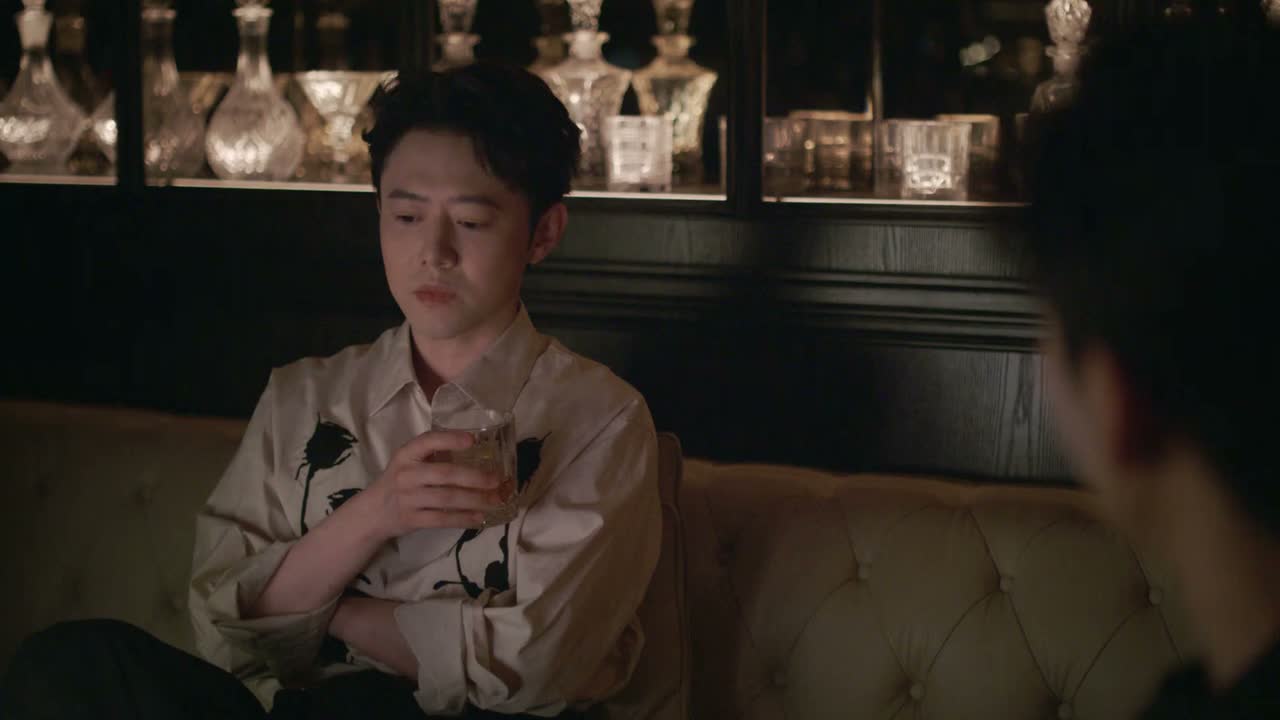
《Cage of Shadows》 S1·E14 (12:17) HSK 4
zhǐ kě xī tā men dōu yǐ jīng bù zài le

只可惜他们都已经不在了

“It's a shame that all my tribespeople are gone now.”

《Cage of Shadows》 S1·E14
TIMECODE: 12:17 · 1080P MASTER AUDIO

THE DIALOGUE REEL

1+1+1 SPOKEN CONTINUITY
[-1] PREVIOUS TURN gāng hǎo gǎn de jí huí qù cān jiā

“you'll just be in time to go home for the event.”

zhǐ kě xī tā men dōu yǐ jīng bù zài le CURRENT FOCUS

只可惜 他们 都 已经不在了

“It's a shame that all my tribespeople are gone now.”

[+1] FOLLOW-UP TURN qù nián zhè ge shí hòu

去年这个时候

“At this time last year,”

Subtitles synced to millisecond timecode Browse Show Clips →
Scene: Daily Life
Function: LAMENTING
Tone: MELANCHOLIC
Emotion: SADNESS
WHAT THEY REALLY MEAN (PRAGMATIC SUBTEXT)

Direct spoken expression in this communicative setting.

💡 Cultural Insight: Euphemisms for Death

In Chinese culture, directly mentioning death is often taboo or considered too harsh, so polite euphemisms like 'no longer here' are preferred to soften the emotional blow.

INTENT TAGS: #mourning #reminiscing #regret #grief
🧩

LEARNING CHUNKS & PARTICLES

2 CHUNKS · 1 PARTICLES
只可惜 SPOKEN CHUNK

it is just a pity that; unfortunately

Use this phrase at the start of a clause to introduce an unfortunate reality or limitation that spoils an otherwise ideal situation.

不在了 SPOKEN CHUNK

passed away; no longer around

A common and gentle euphemism used in spoken Chinese to refer to someone's death without explicitly uttering the word for die.

Modal Particle「了」 (le) CHANGE OF STATE

Indicates a completed change of state, highlighting the permanent absence of the deceased individuals.
🏮

VOCABULARY & EXPRESSIONS

2 EXPR · 8 GRAMMAR
CROSS-CINEMA CORPUS BOARD · PARALLEL SCENES

Parallel Spoken Cinema Scenes (语义近邻切片)

EXPLORE BY SEMANTIC SIMILARITY
《Cage of Shadows》 S1·E14 (12:17) · Authentic Cinema Dialogue Corpus