可显然你也不会悔改 从小到大
“But clearly, you won't regret it. Since childhood,”
THE DIALOGUE REEL
杀朔漠王的事是我擅自决定
“I personally decided to kill the Northern Desert King.”
可显然你 也不会 悔改 从小到大
“But clearly, you won't regret it. Since childhood,”
你可曾听见我说一个“悔”字? 你心意已决
“have I ever said "regret"? You've made up your mind.”
“You have always been unapologetically stubborn, and you will never change.”
In Chinese ethics, acknowledging wrongdoing (悔) is essential for moral redemption; refusing to show remorse even when proven wrong is seen as deep moral defiance.
LEARNING CHUNKS & PARTICLES
from childhood to adulthood; since one was young
Commonly used to emphasize persistent habits, traits, or long-standing patterns of behavior over a lifetime.
to repent and reform; to show remorse
A relatively formal and morally heavy verb used when addressing serious moral or behavioral misconduct.
VOCABULARY & EXPRESSIONS
Parallel Spoken Cinema Scenes (语义近邻切片)
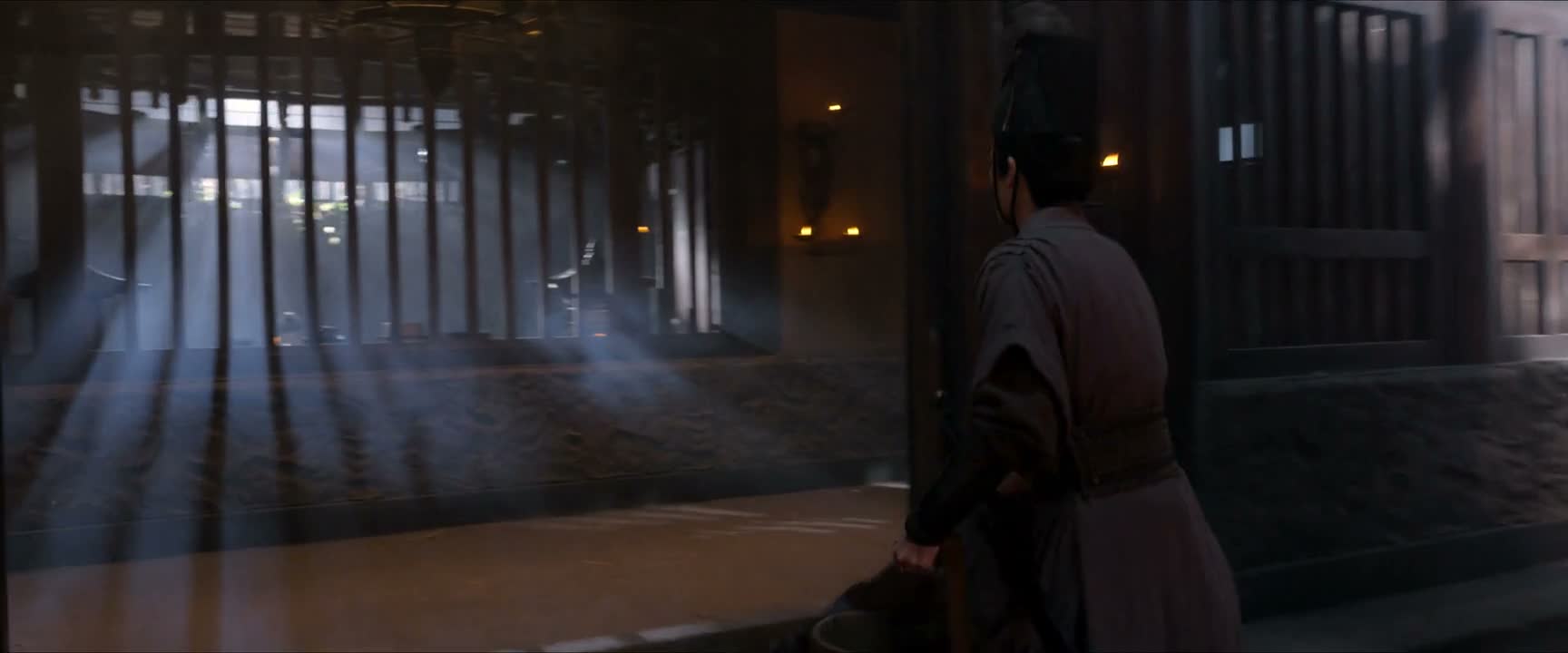
“But he showed no remorse”

“As long as you say you regret it,”
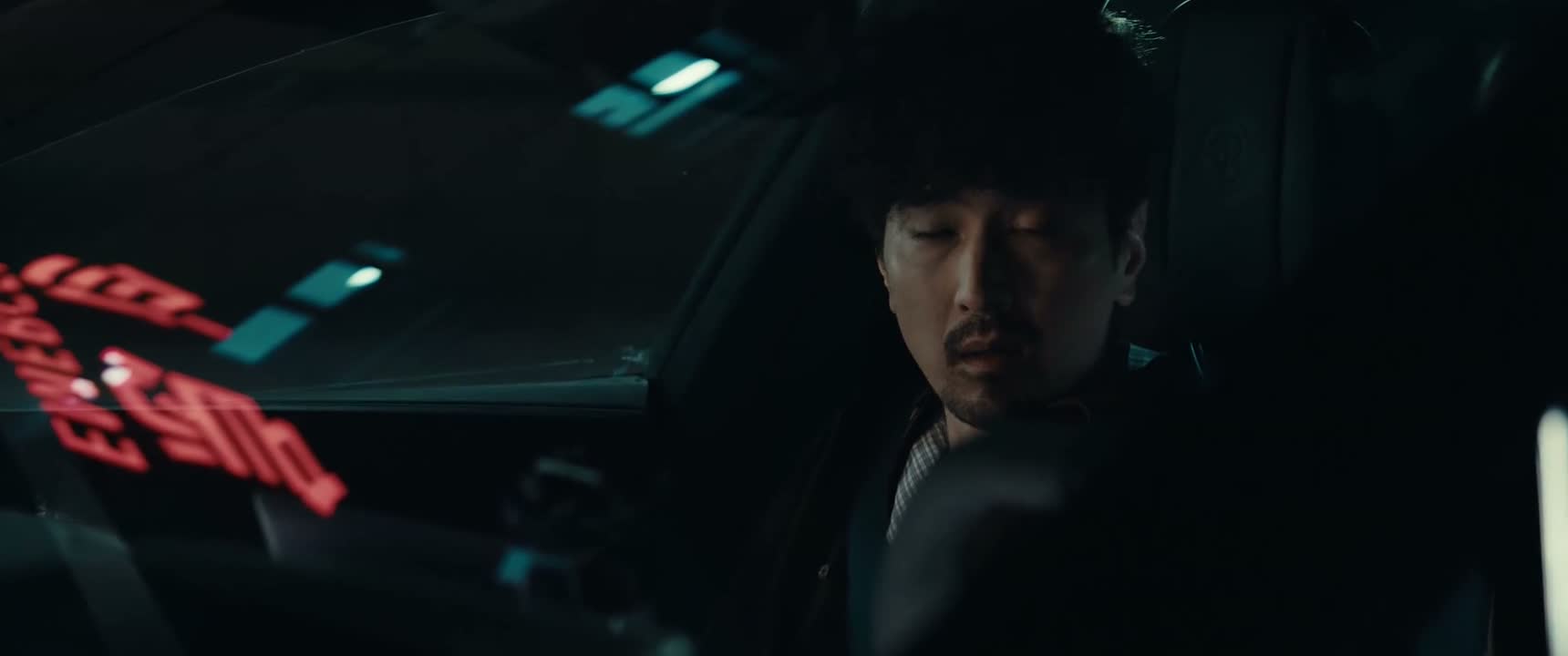
“Does being old mean he doesn't have to admit his mistakes or change?”

“I am truly ashamed.”

“You still won't reflect on your mistakes.”

“- cannot be changed by regret alone. - But what about now?”