你可千万不能再没了
“I can't lose you too!”
THE DIALOGUE REEL
快走
“Move it!”
你可 千万不能 再 没了
“I can't lose you too!”
“You must come back safely! Do you hear me?”
“I cannot survive losing you again, so please stay alive.”
In Chinese culture, directly uttering words like 'die' (死) can be seen as inauspicious, so people often use softer terms like '没了' (gone) especially during perilous moments.
LEARNING CHUNKS & PARTICLES
must absolutely not; under no circumstances should
Used to give strong warnings, urgent advice, or desperate pleas against doing something.
gone / passed away / disappeared
A spoken euphemism often used for death or total disappearance of someone dear.
Marks an anticipated change of state that the speaker desperately wishes to avoid.
VOCABULARY & EXPRESSIONS
Parallel Spoken Cinema Scenes (语义近邻切片)

“and that His Majesty will never trust you again.”

“You don't have a chance with any of them. So don't even dream about it.”

“become a demoness.”
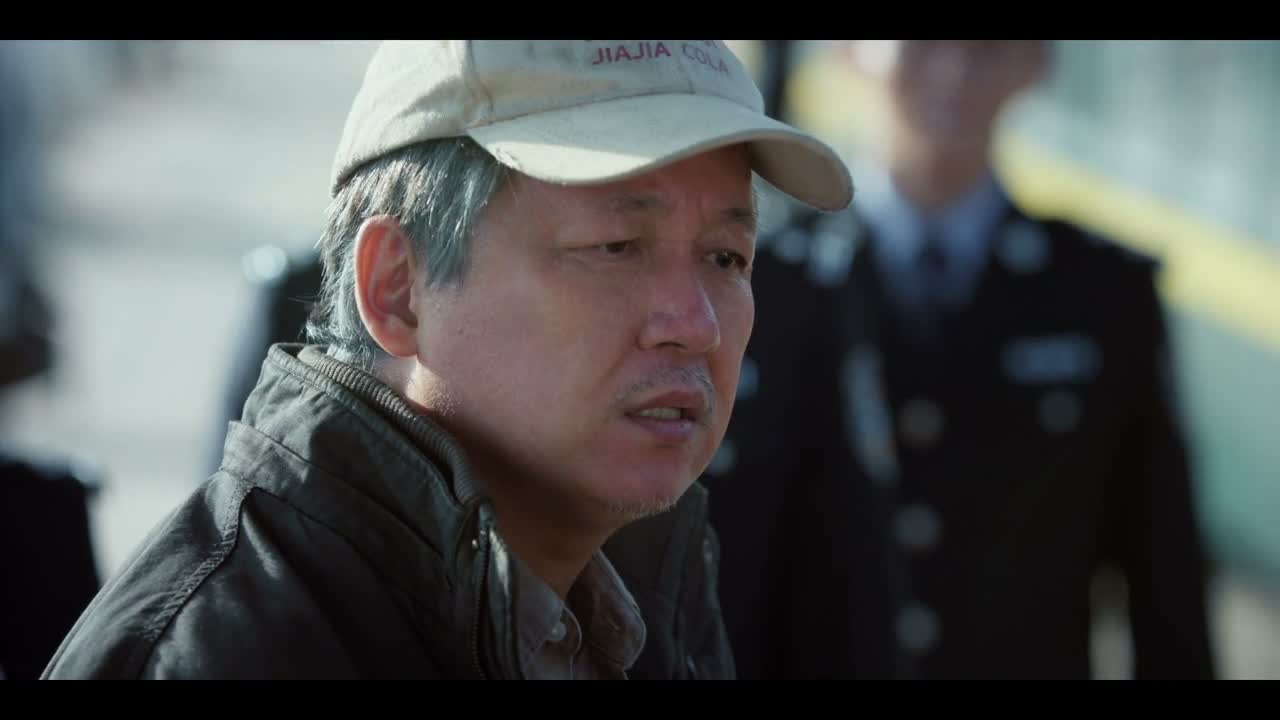
“You cannot leave and never return.”

“Nothing must happen to you again.”