你一定要战胜过去的自己
“you must defeat your past self.”
THE DIALOGUE REEL
你一定要 战胜过去的自己
“you must defeat your past self.”
你看
“Look.”
Direct spoken expression in this communicative setting.
Overcoming one's internal weaknesses or past shadows is deeply rooted in Chinese philosophical thought as the ultimate test of resilience and moral growth.
LEARNING CHUNKS & PARTICLES
must / definitely have to
Expresses strong necessity, determination, or moral obligation.
to overcome / triumph over
A moderately formal verb used for conquering enemies, difficulties, or psychological hurdles.
one's past self
A common introspective phrase referring to previous habits, flaws, or traumatic history.
VOCABULARY & EXPRESSIONS
Parallel Spoken Cinema Scenes (语义近邻切片)

“but to prove that we can beat our past selves.”
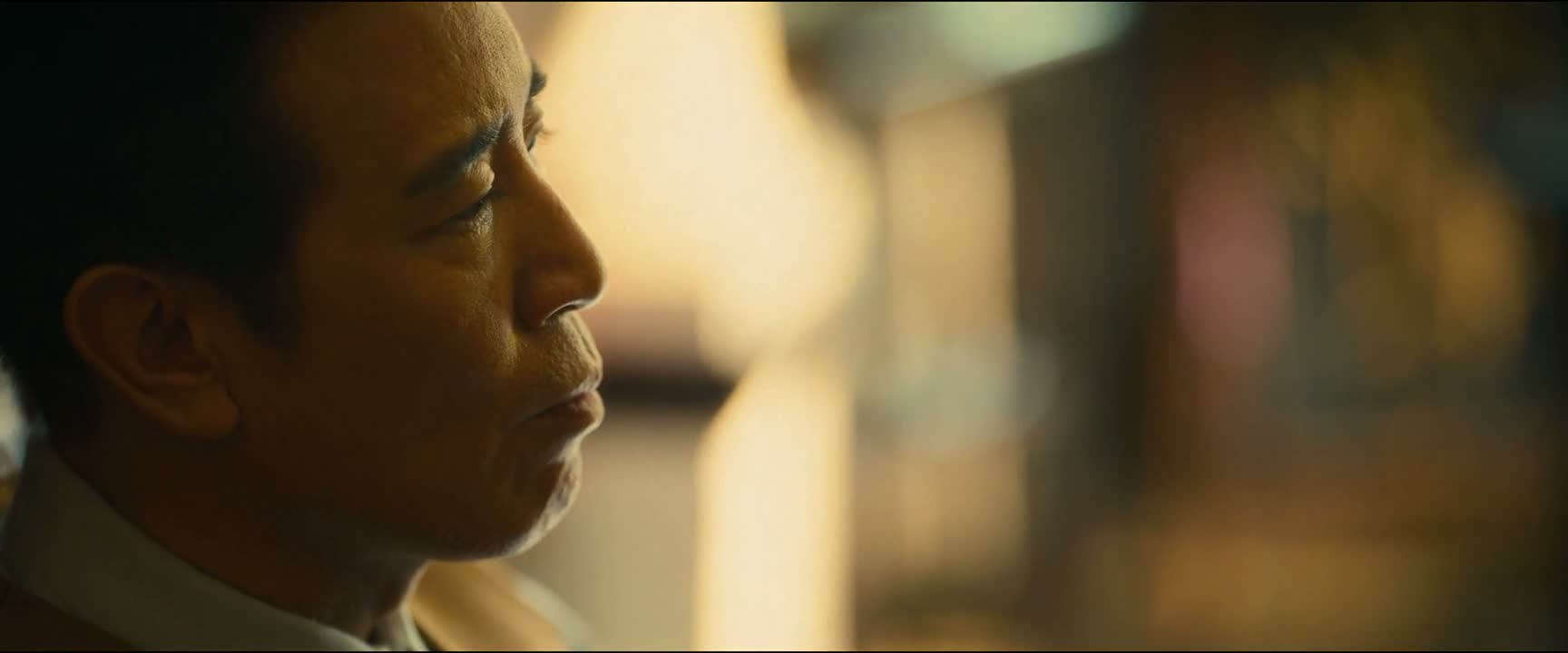
“You must reform yourself.”

“Let yourself go too.”

“I'll lend you my identity. You go and be that better person.”

“and couldn't hold on to my past self.”
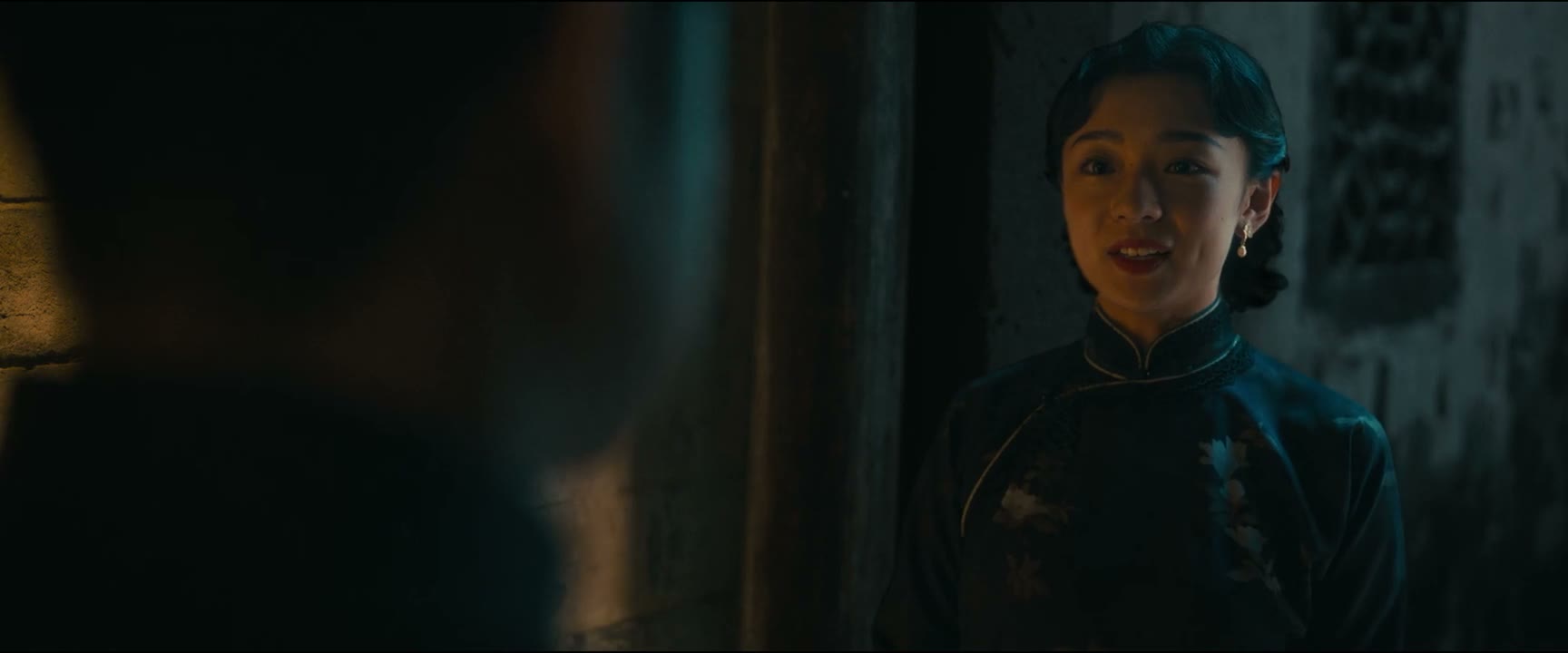
“You should trust yourself.”