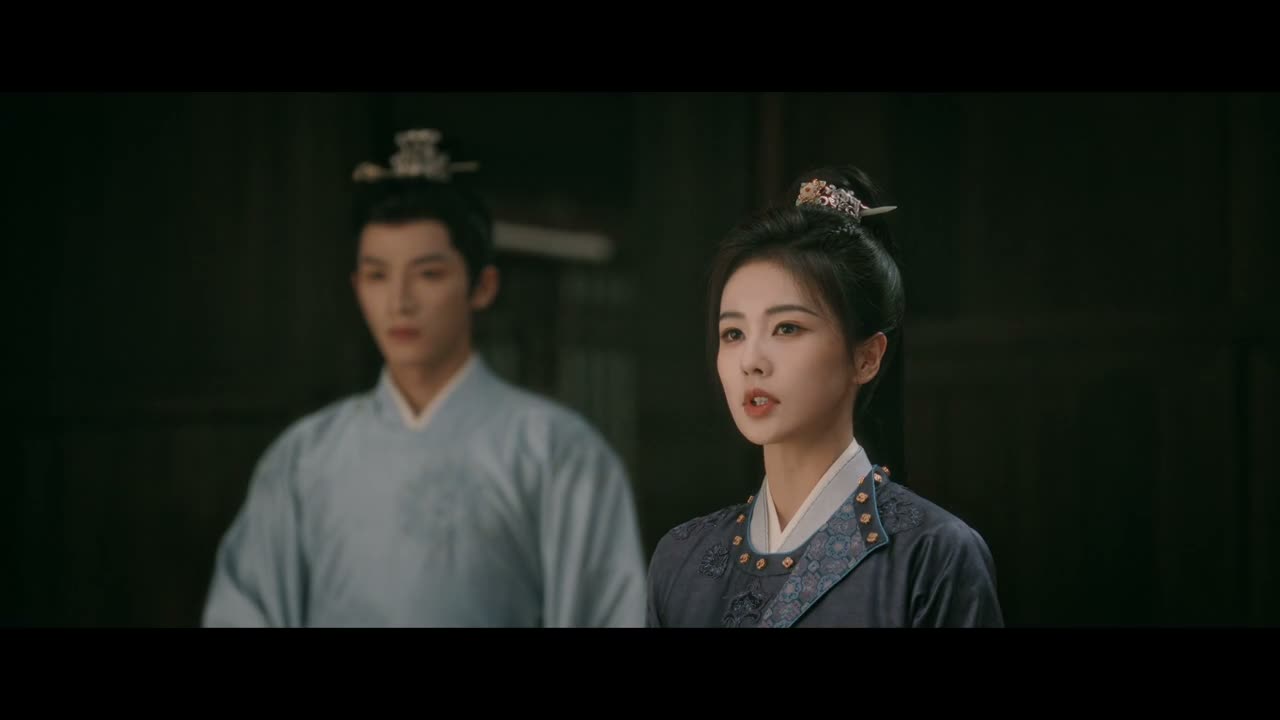
《Archives: The Nanyang Mystery》 S1·E25 (03:12)
HSK 6
wǒ shī fù sǐ le nǐ jiù shì jiàn sǐ bù jiù de rén
我师父死了 你就是见死不救的人
“and you don't save her, you'd be leaving her to die.”
《Archives: The Nanyang Mystery》
S1·E25
TIMECODE: 03:12
·
1080P MASTER AUDIO
THE DIALOGUE REEL
[-1] PREVIOUS TURN
nǐ shuō shuō nǐ wǒ shī fù zhēn de kuài bìng sǐ le rú guǒ wǒ shī fù jiù bù huó
“Look at you. My mentor is really dying. If my mentor dies,”
wǒ shī fù sǐ le nǐ jiù shì jiàn sǐ bù jiù de rén
CURRENT FOCUS
我师父 死了 你 就是 见死不救 的人
“and you don't save her, you'd be leaving her to die.”
[+1] FOLLOW-UP TURN
nǐ duì de qǐ nǐ liáng xīn ma
你对得起你良心吗
“Would your conscience be clear?”
Subtitles synced to millisecond timecode
Browse Show Clips →
Scene:
Crisis & Conflict
Function:
MORAL ACCUSATION
Tone:
ACCUSING
Emotion:
ANGER
WHAT THEY REALLY MEAN (PRAGMATIC SUBTEXT)
“You have the power to save him, and your refusal makes you responsible for his death.”
💡 Cultural Insight: Master-Disciple Loyalty and Moral Condemnation
In Chinese culture, a master (师父) holds parental significance, making disciple defense fierce; accusing someone of 'standing by while someone dies' (见死不救) invokes severe moral shame.
INTENT TAGS:
#blaming
#moral_coercion
#guilt_tripping
#confrontation
🧩
1 CHUNKS · 0 PARTICLES
LEARNING CHUNKS & PARTICLES
见死不救
SPOKEN CHUNK
to stand by and watch someone die without helping
A common idiom used to strongly condemn someone who refuses to lend a hand to someone in critical danger.
🏮
3 EXPR · 0 GRAMMAR
VOCABULARY & EXPRESSIONS
COLLOQUIAL EXPRESSIONS:
CROSS-CINEMA CORPUS BOARD · PARALLEL SCENES
EXPLORE BY SEMANTIC SIMILARITY
Parallel Spoken Cinema Scenes (语义近邻切片)
《Archives: The Nanyang Mystery》 S1·E25 (03:12) · Authentic Cinema Dialogue Corpus