我真的 你别假 你太假了你
“-I'm really... -Stop pretending. Stop acting.”
THE DIALOGUE REEL
我 真的 你别假 你 太假了 你
“-I'm really... -Stop pretending. Stop acting.”
“I'm not afraid you'll laugh at me. In my life,”
“Cut the drama, stop pretending to be so dependent on me.”
In close Chinese interpersonal dynamics, calling someone 'fake' (假) often serves to puncture overt sentimentalism or avoid confronting deep vulnerability directly.
LEARNING CHUNKS & PARTICLES
too fake; totally insincere
A common colloquial phrase used to call out theatrical, exaggerated, or hypocritical behavior among close friends.
don't you...
A direct colloquial imperative telling someone to cut out a certain behavior immediately.
Functions as an intensifier marking an excessive state when combined with '太'.
VOCABULARY & EXPRESSIONS
Parallel Spoken Cinema Scenes (语义近邻切片)

“If you truly think I'm fake,”

“- Really? - Really! Don't lie to me. I'm not lying to you, really.”
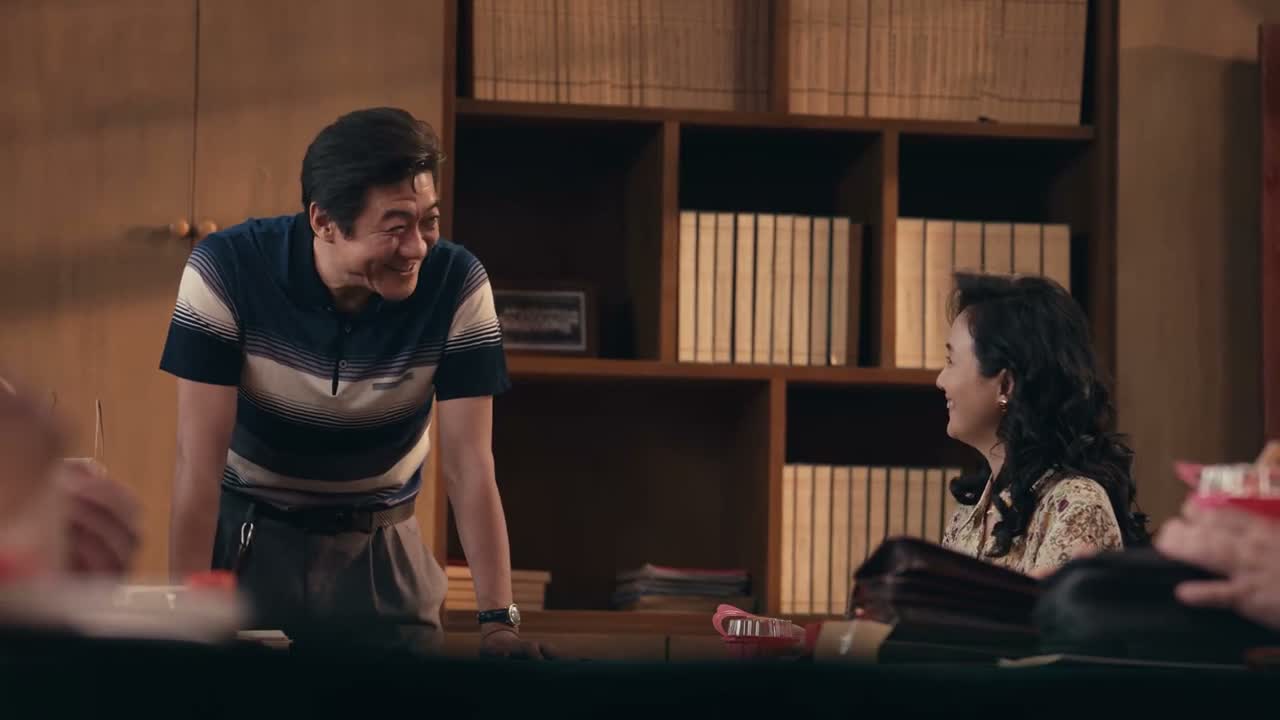
“I mean it. Relax.”

“It really wasn't me. T-This is so unlucky.”

“This is fake. I was just tricking her.”

“- She's fake. - No. Fake.”