老子还觉得 对不起你们林家 没想到啊
“I even felt I had wronged the Lin clan. Who would've thought”
THE DIALOGUE REEL
惨死在城楼之下
“met a grim end below the city wall.”
老子 还觉得 对不起你 们林家 没想到啊
“I even felt I had wronged the Lin clan. Who would've thought”
是你出卖你家大伯 他不是真的林钧
“you were the one who sold him out? He isn't Lin Jun.”
“I was a fool to ever feel pity for your family when you were the traitor all along!”
Literally meaning 'your father', using '老子' as a first-person pronoun asserts superior dominance, contempt, and extreme anger.
LEARNING CHUNKS & PARTICLES
let down; fail to do justice to
Here used as a transitive verb meaning 'to have wronged or failed someone' rather than a simple apology.
who would have thought; unexpectedly
Used to express profound surprise or shock at an unforeseen outcome.
Intensifies the speaker's emotional outburst of shock and indignation.
VOCABULARY & EXPRESSIONS
Parallel Spoken Cinema Scenes (语义近邻切片)
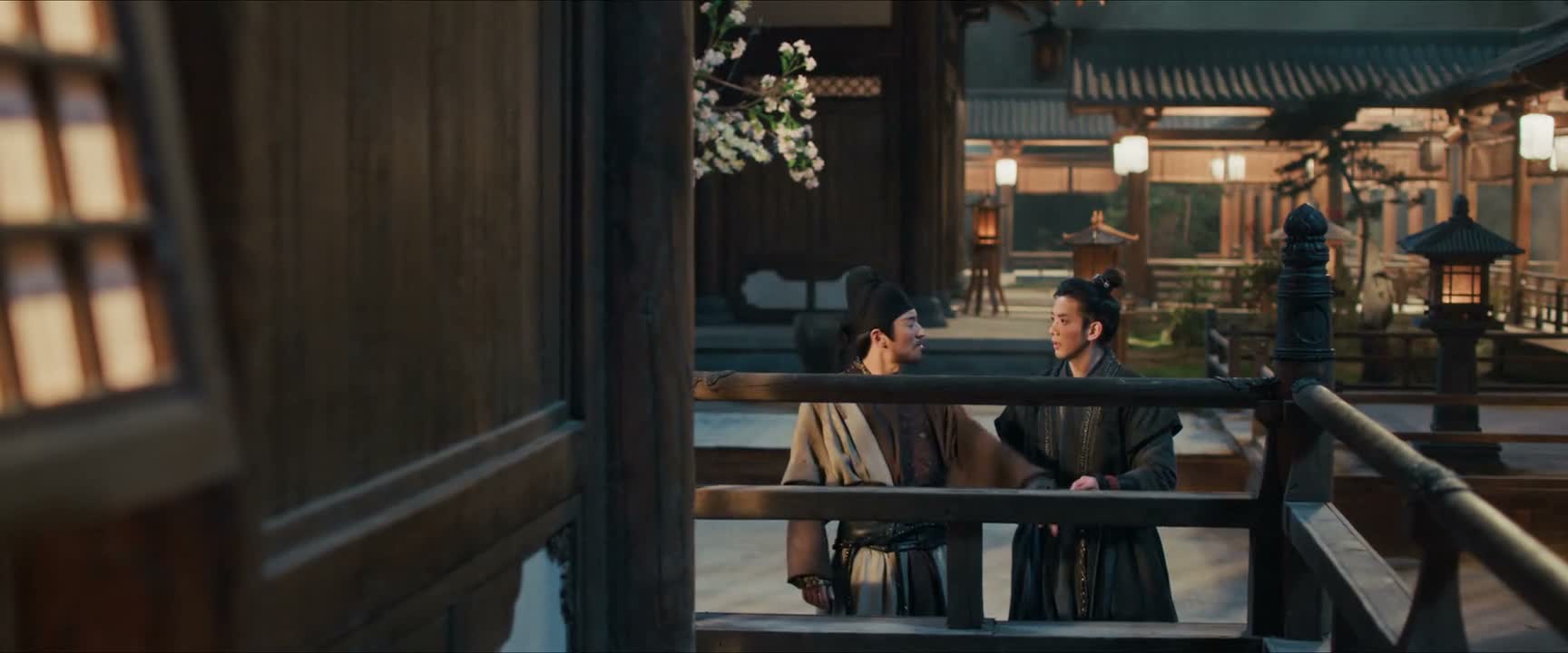
“I'm still mad at him.”
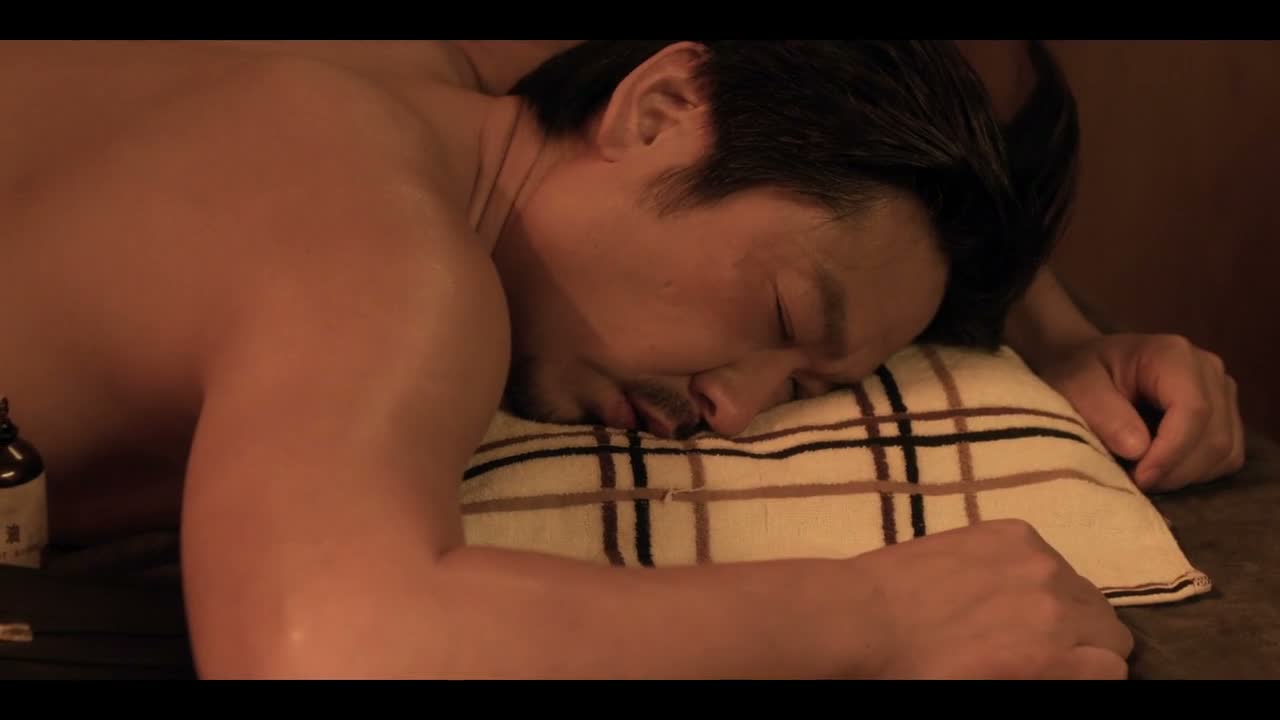
“I'll break your other leg, too.”
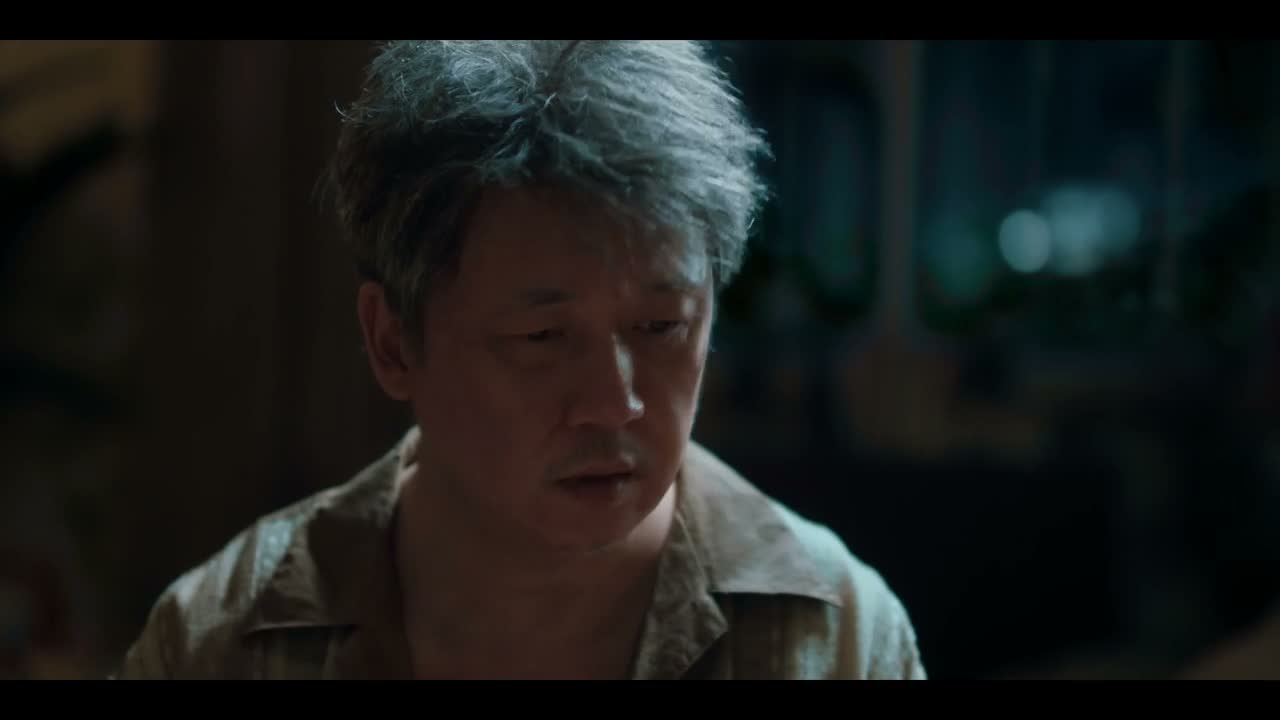
“I wanted to retire too back then.”
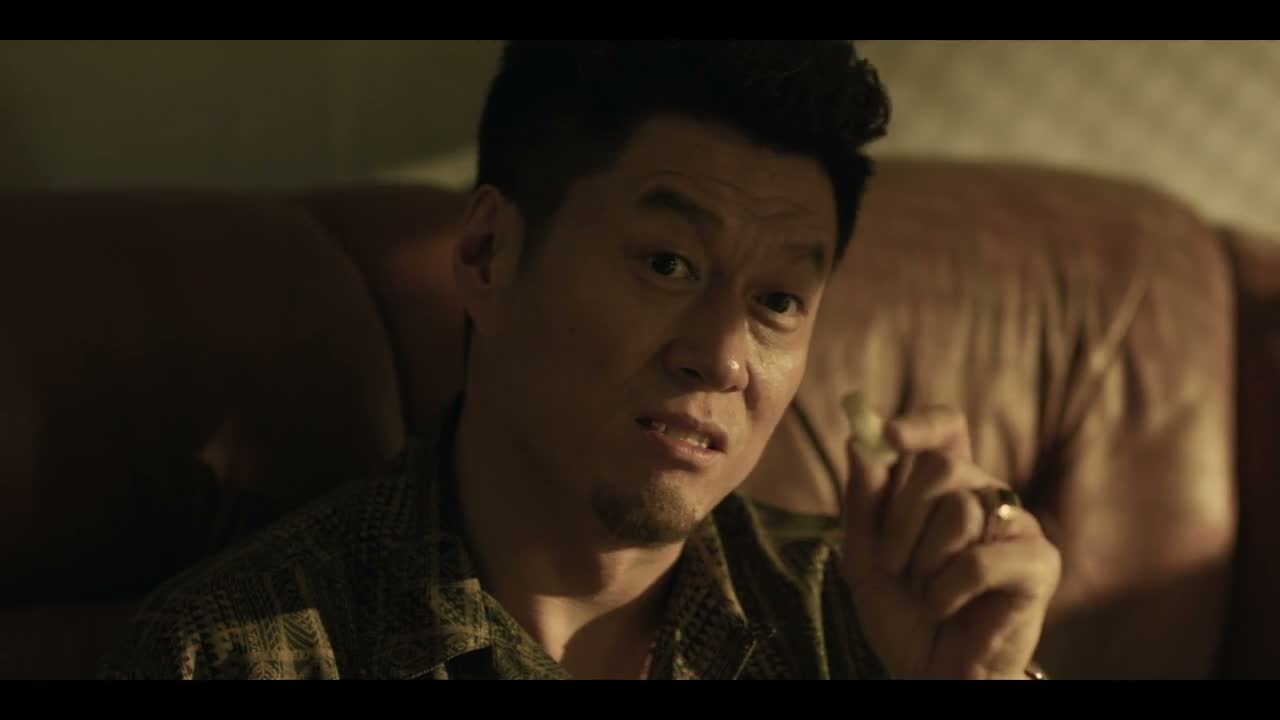
“I'll make sure he pays for it. Yeah. Make him pay.”
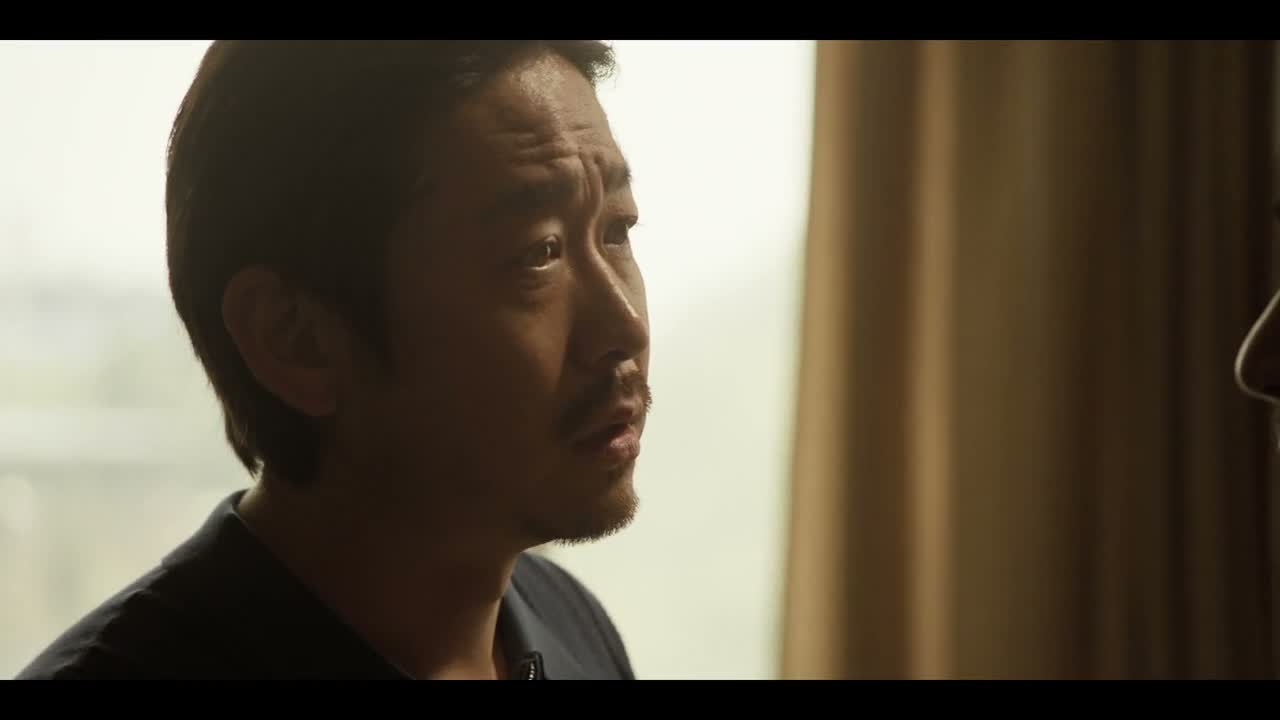
“I'll make your family disappear.”
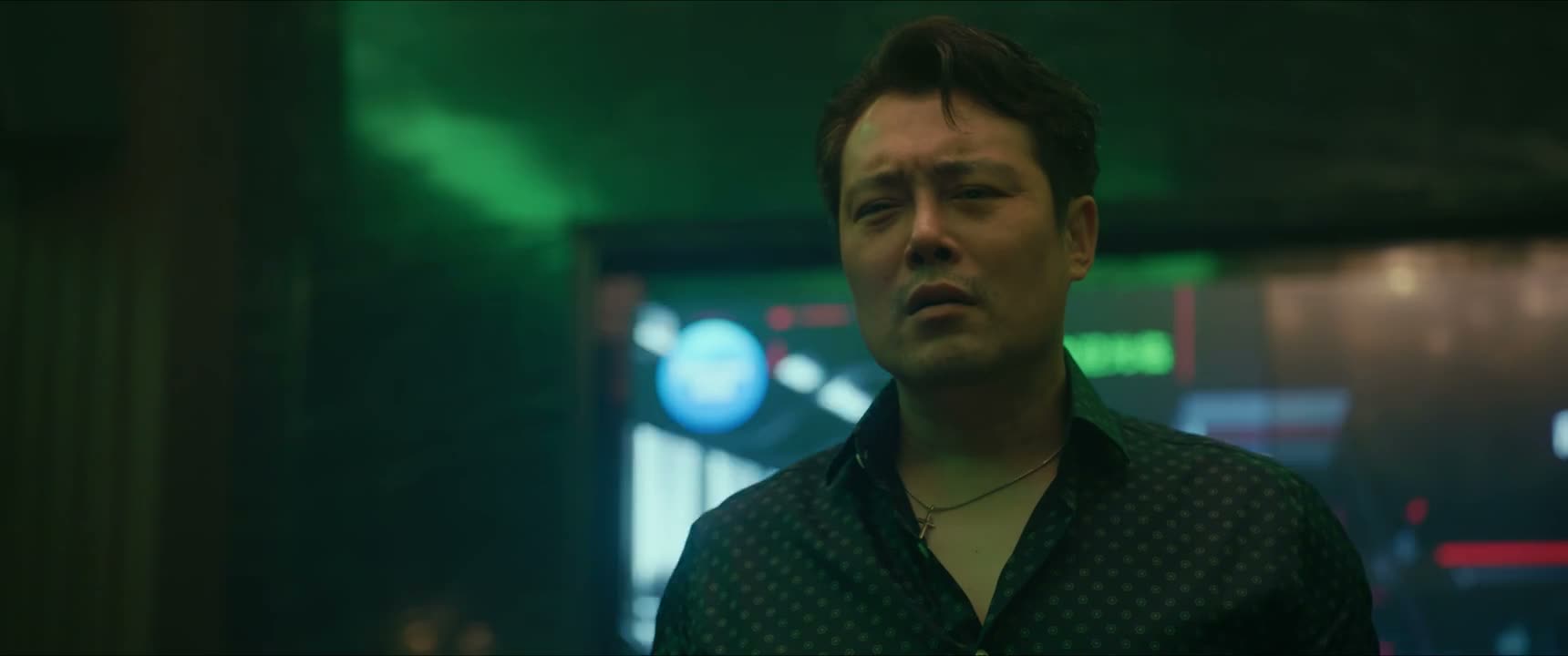
“You're not drinking the toast I propose?”