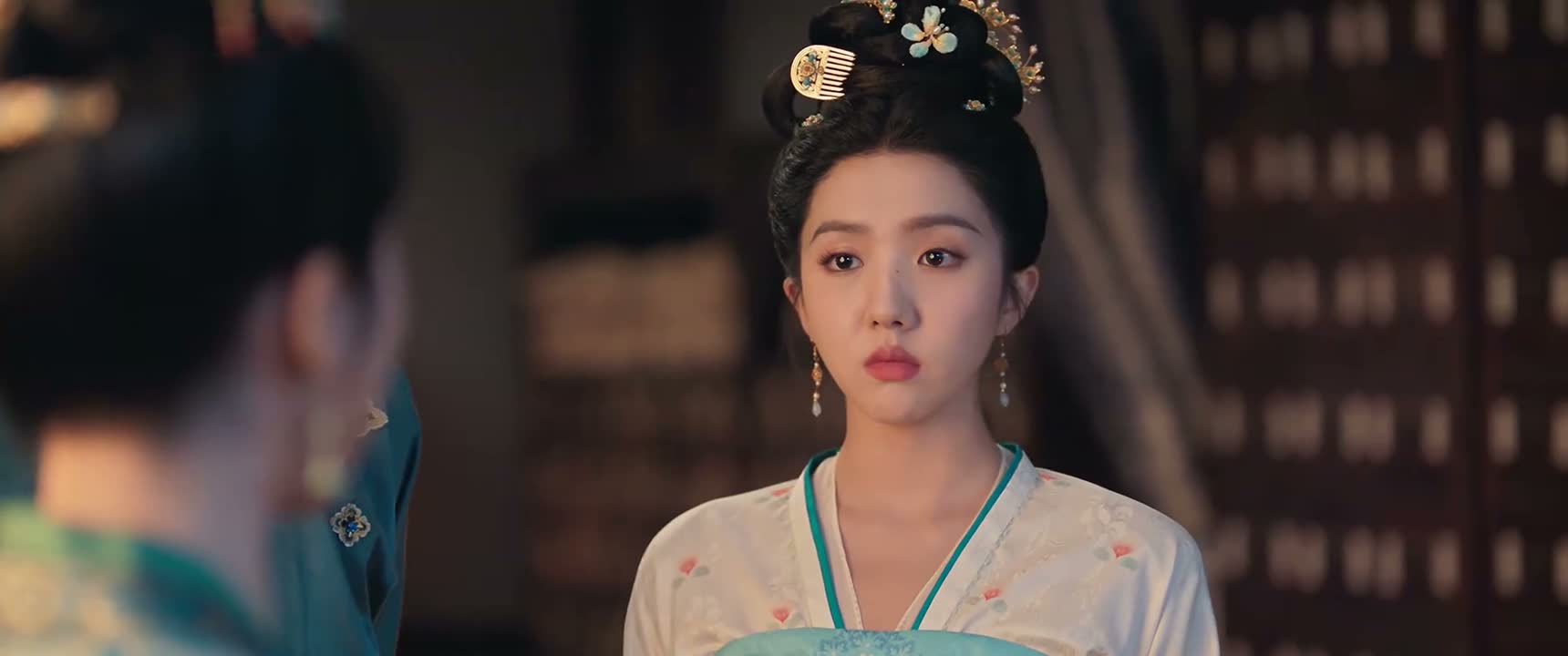
我有儿有女怎么了
“I have a son and a daughter. So what?”
THE DIALOGUE REEL
“Why didn't you tell him you have a son? I...”
我 有儿有女 怎么了
“I have a son and a daughter. So what?”
你以后别来我家了
“Don't come again. My mom lied to you.”
“I have nothing to be ashamed of, so stop interrogating me!”
In Chinese dating or remarriage contexts, having dependent children from past relationships can be seen as a financial liability, often sparking intense conflict if concealed.
LEARNING CHUNKS & PARTICLES
having both a son and a daughter
A common idiomatic four-character expression denoting a complete, traditional family blessing.
what of it? / so what?
Used at the end of a rhetorical challenge to aggressively assert that there is nothing wrong with one's actions.
Combined with 怎么 to form a sharp rhetorical question challenging the interlocutor's judgment.
VOCABULARY & EXPRESSIONS
Parallel Spoken Cinema Scenes (语义近邻切片)
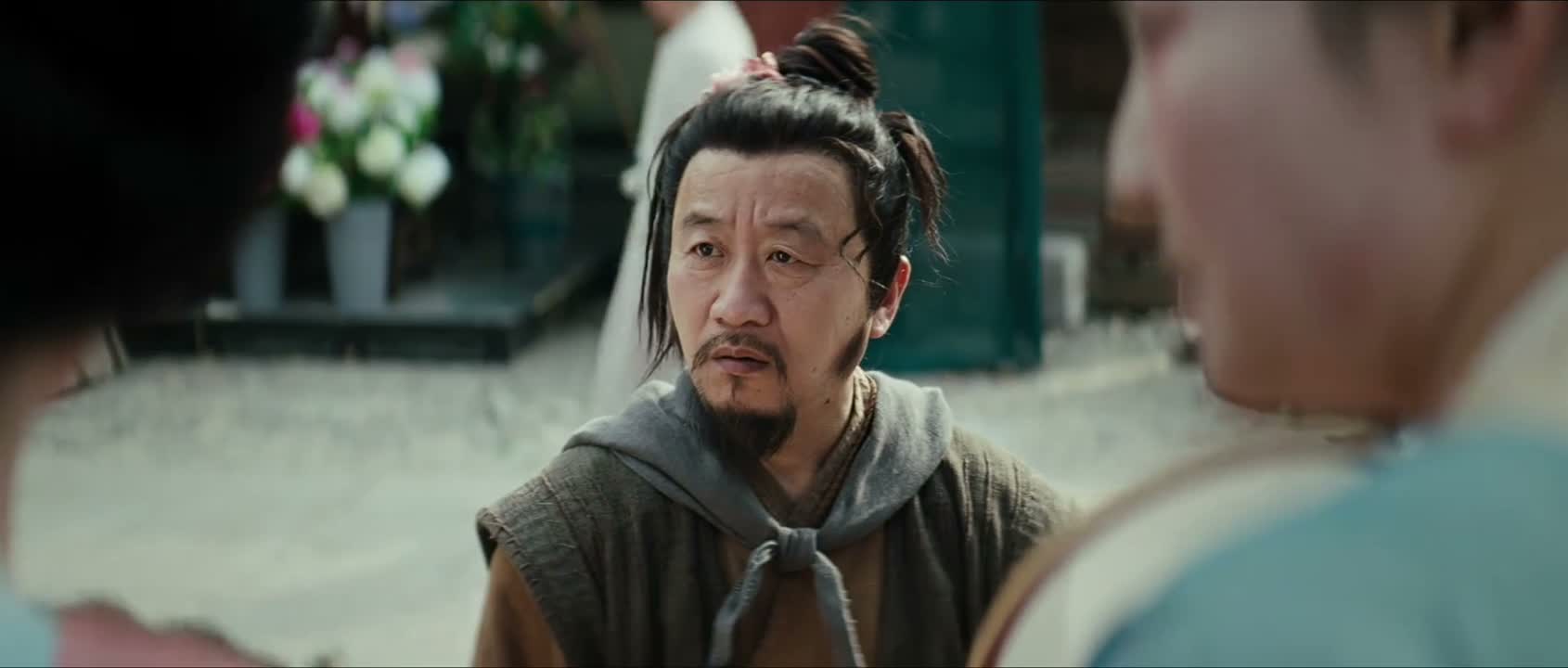
“Why haven't they had a child yet?”
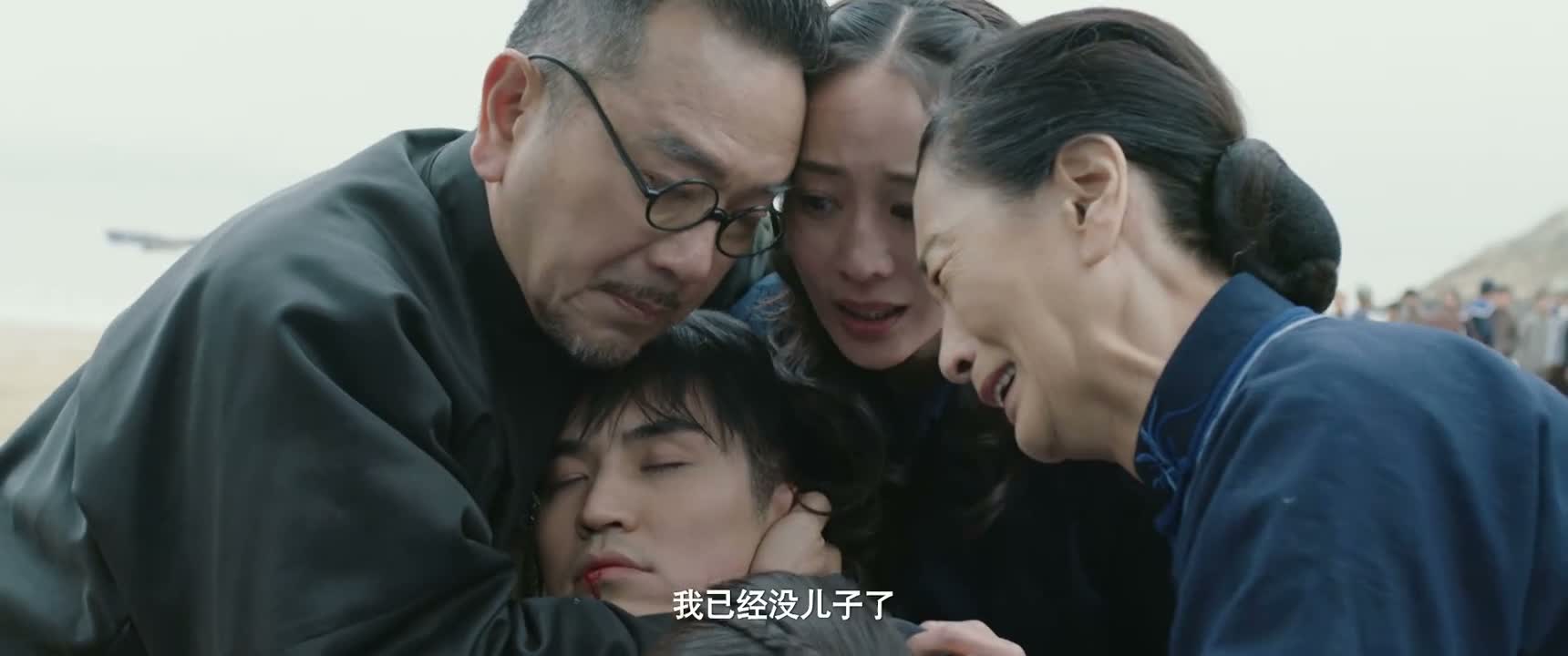
“I've already lost a son.”
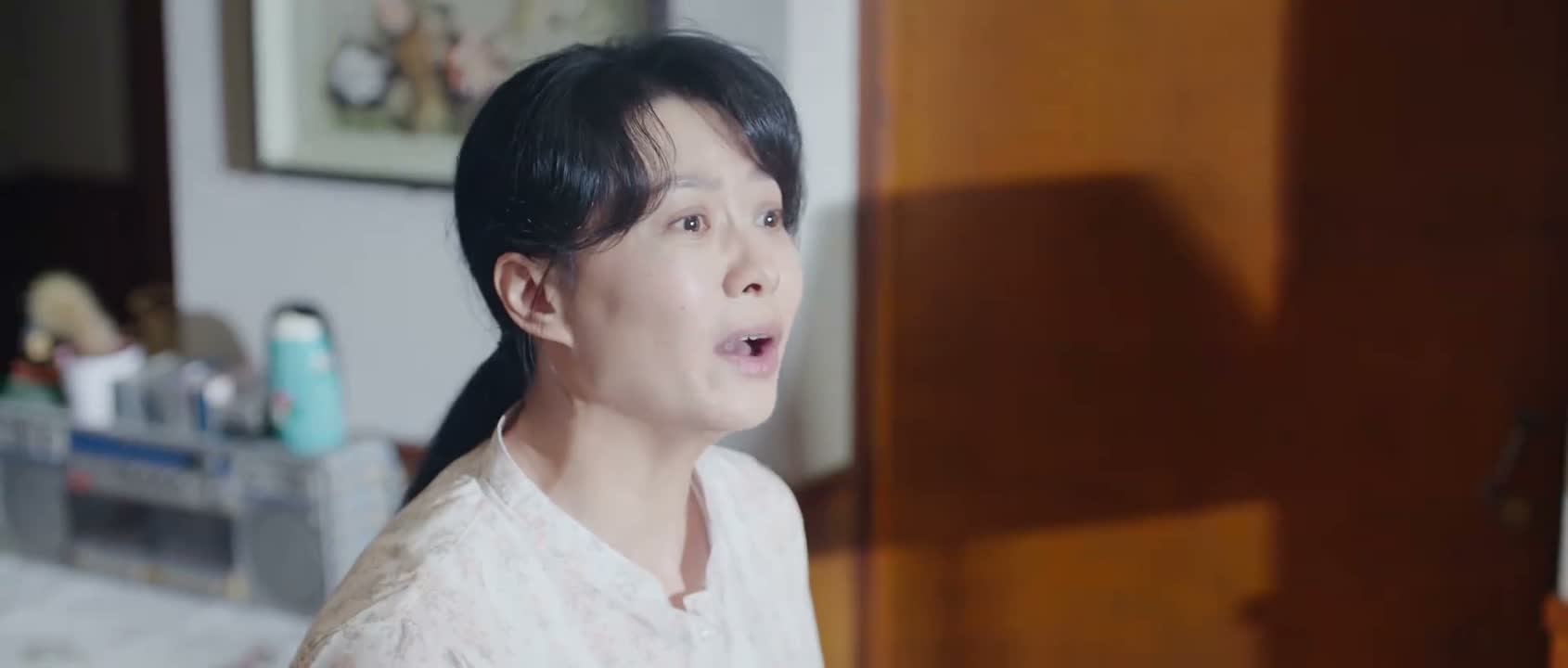
“What's wrong with wanting my own child?”
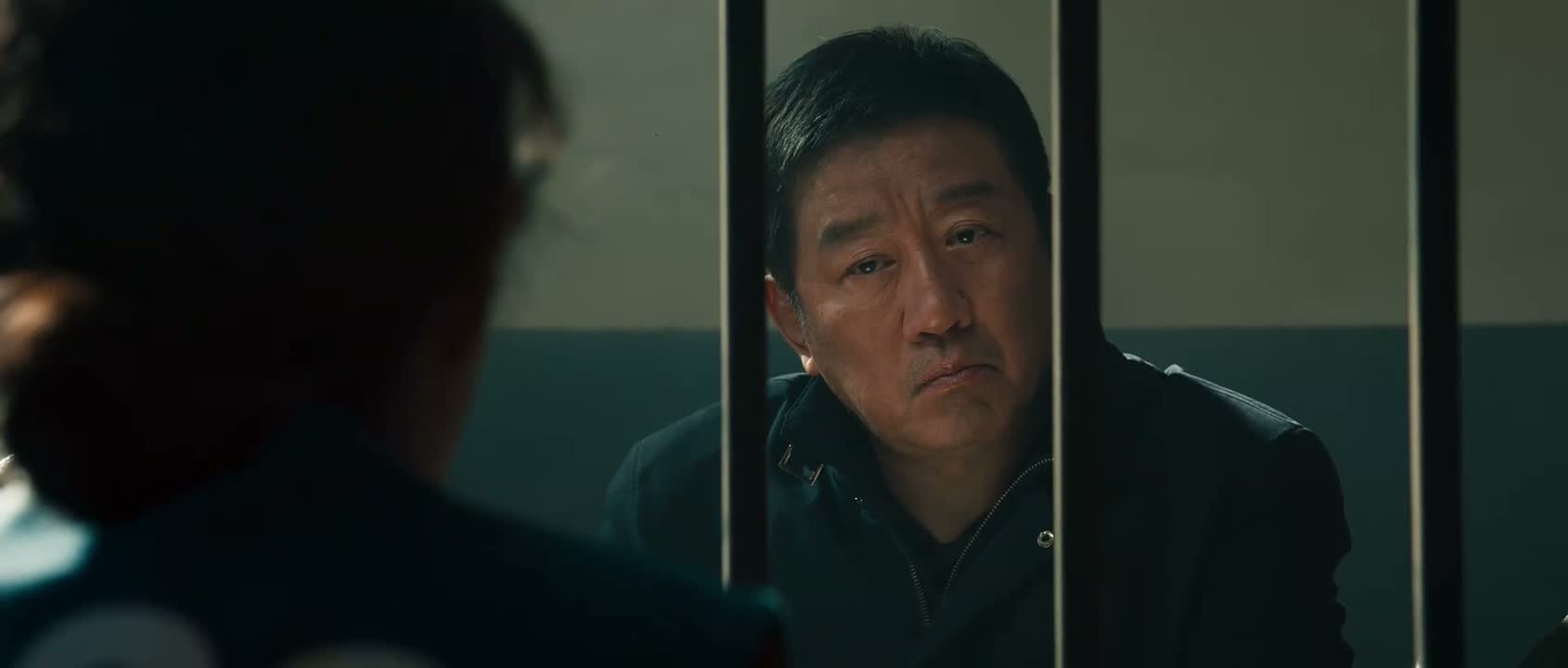
“I only have one child left now.”

“have a daughter.”
“and still have no child.”