也没 谁主张 谁举证
“None. He who asserts must prove.”
THE DIALOGUE REEL
“Any copies, manuscripts, or email records? No. Witnesses?”
也没 谁主张 谁 举证
“None. He who asserts must prove.”
没证据
“No evidence, no case.”
Direct spoken expression in this communicative setting.
Chinese speakers frequently cite standard civil litigation formulas to bring authority and objectivity to informal arguments.
LEARNING CHUNKS & PARTICLES
the burden of proof lies on whoever asserts a claim
A foundational Chinese legal maxim widely quoted in daily debates and formal disputes alike.
VOCABULARY & EXPRESSIONS
Parallel Spoken Cinema Scenes (语义近邻切片)
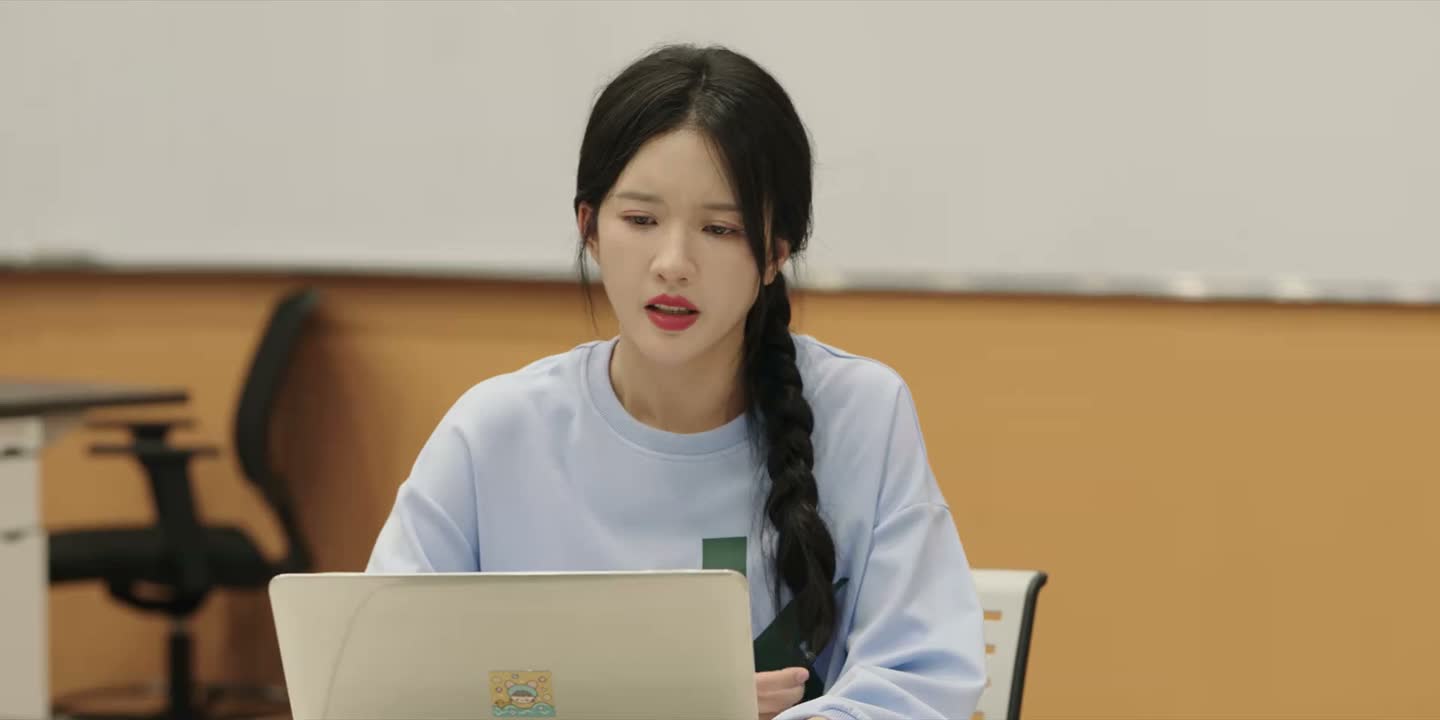
“Nowadays, the burden of proof is on the claimant.”

“yet you cannot produce any concrete evidence.”
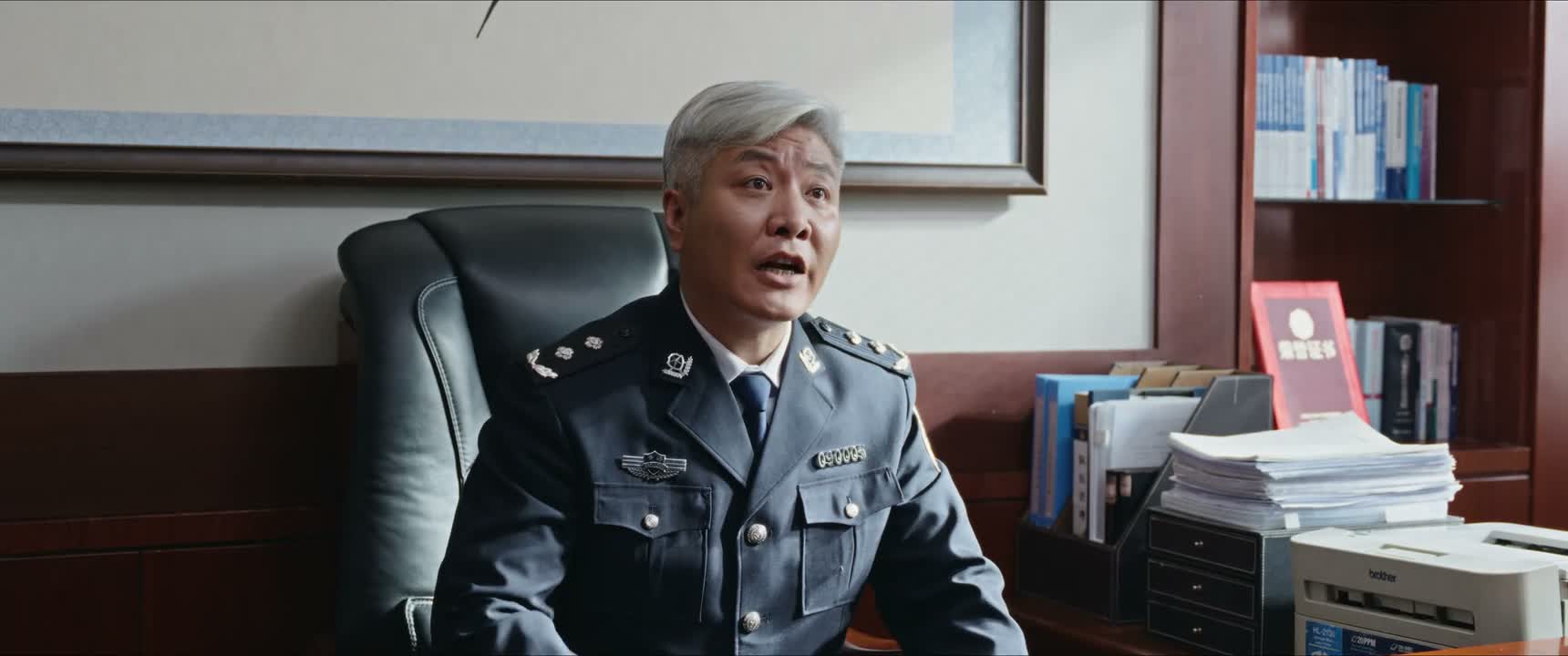
“But you don't have a shred of evidence.”
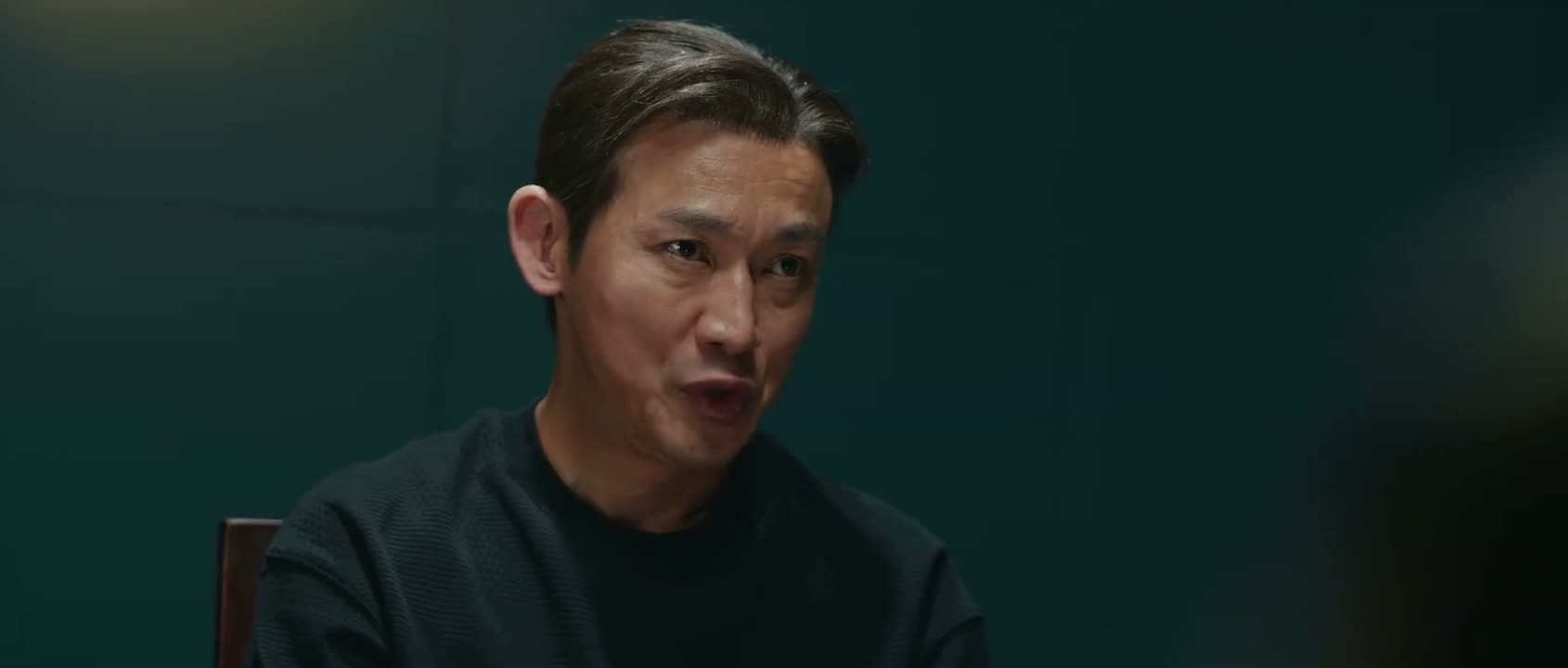
“because you lack solid evidence.”
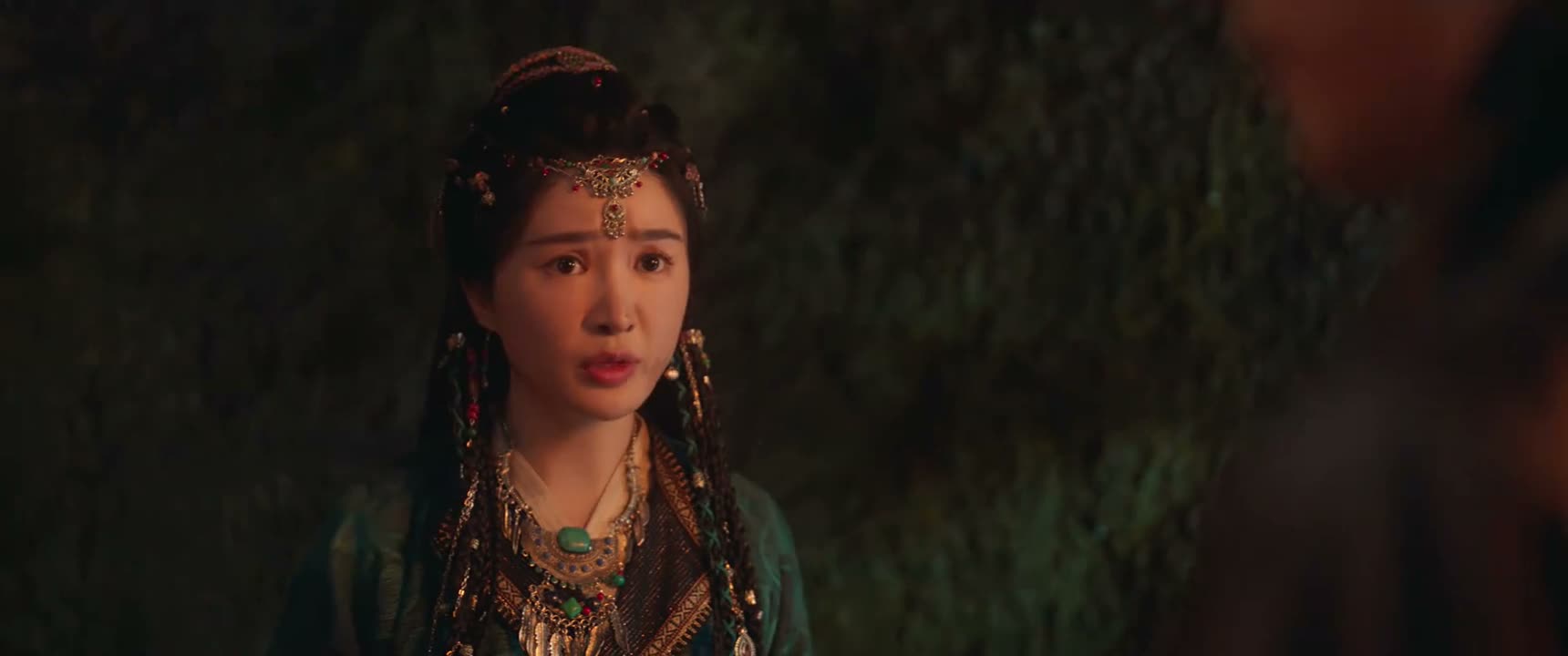
“we have no evidence to prove”
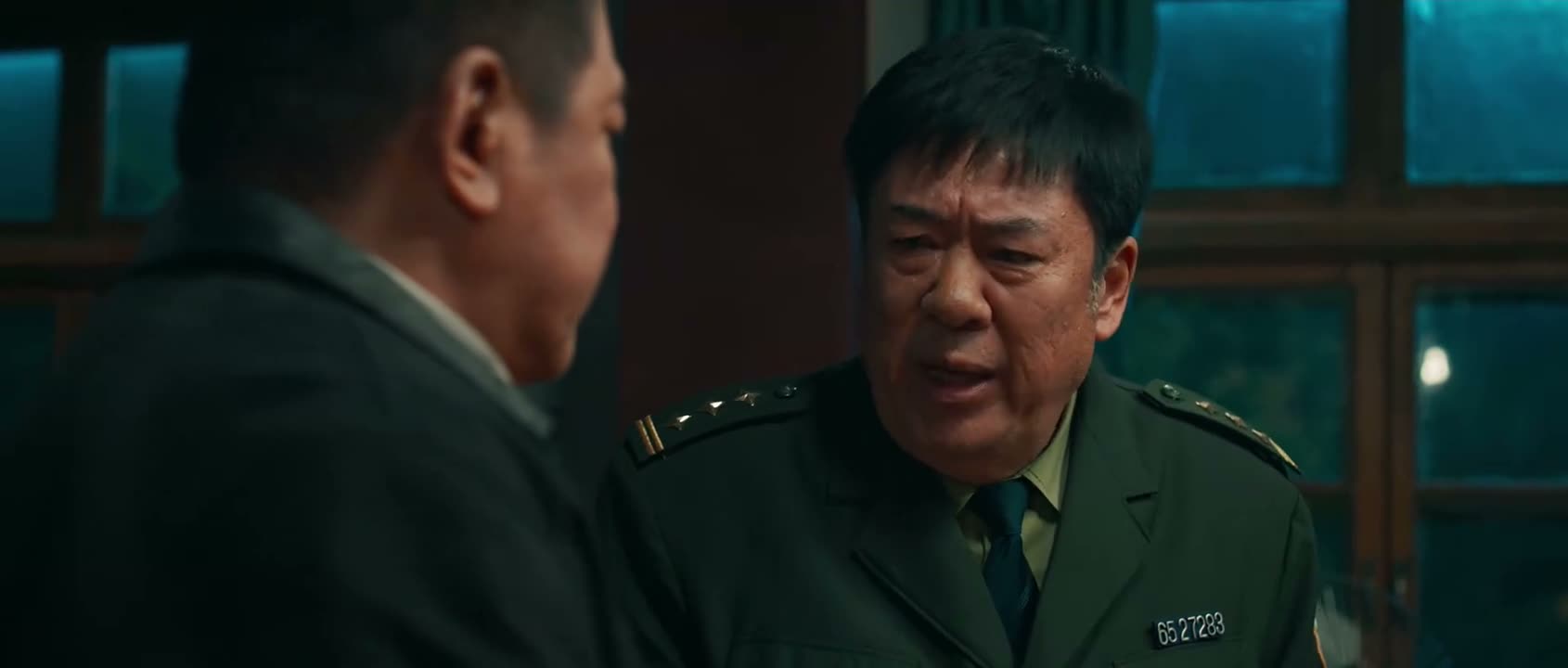
“is that you don't have any evidence”