是不是跟你说过了 要你晚上刷完牙之后
“I told you not to have chocolate”
THE DIALOGUE REEL
你还哭
“Stop crying.”
是不是跟你说过了 要你晚上 刷完牙 之后
“I told you not to have chocolate”
不要去吃巧克力
“after you brush your teeth at night,”
“Stop crying; you knew the rule and deliberately broke it.”
Chinese parents frequently use past-reference rhetorical questions ('Haven't I said...') to instill accountability and counter tears or excuses.
LEARNING CHUNKS & PARTICLES
haven't I already told you?
A classic rhetorical reprimand used by authority figures when a previously stated rule has been broken.
finished brushing teeth
The verb complement '完' indicates the completion of the action 'brushing teeth'.
Marks the completion of past warnings, stressing that the rule had already been established.
VOCABULARY & EXPRESSIONS
Parallel Spoken Cinema Scenes (语义近邻切片)
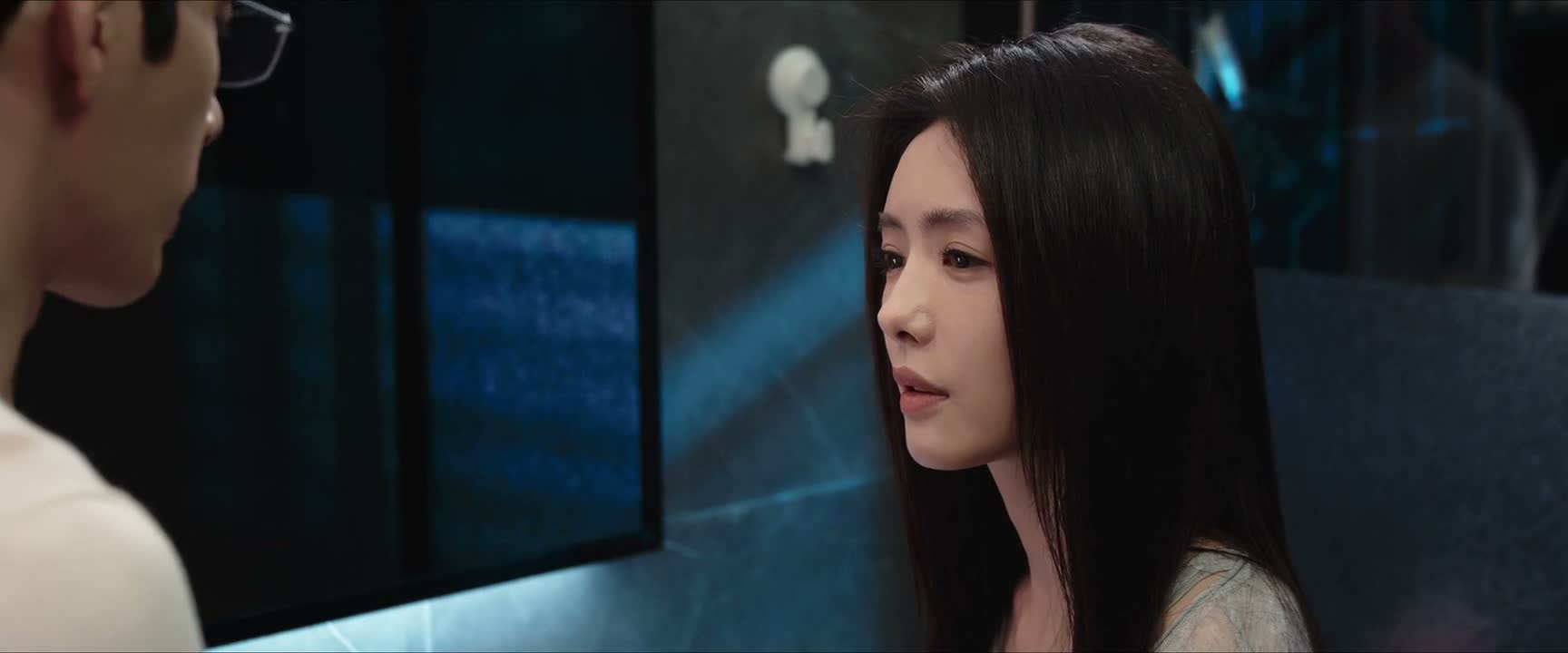
“Hurry up and brush your teeth. Then, go to bed.”
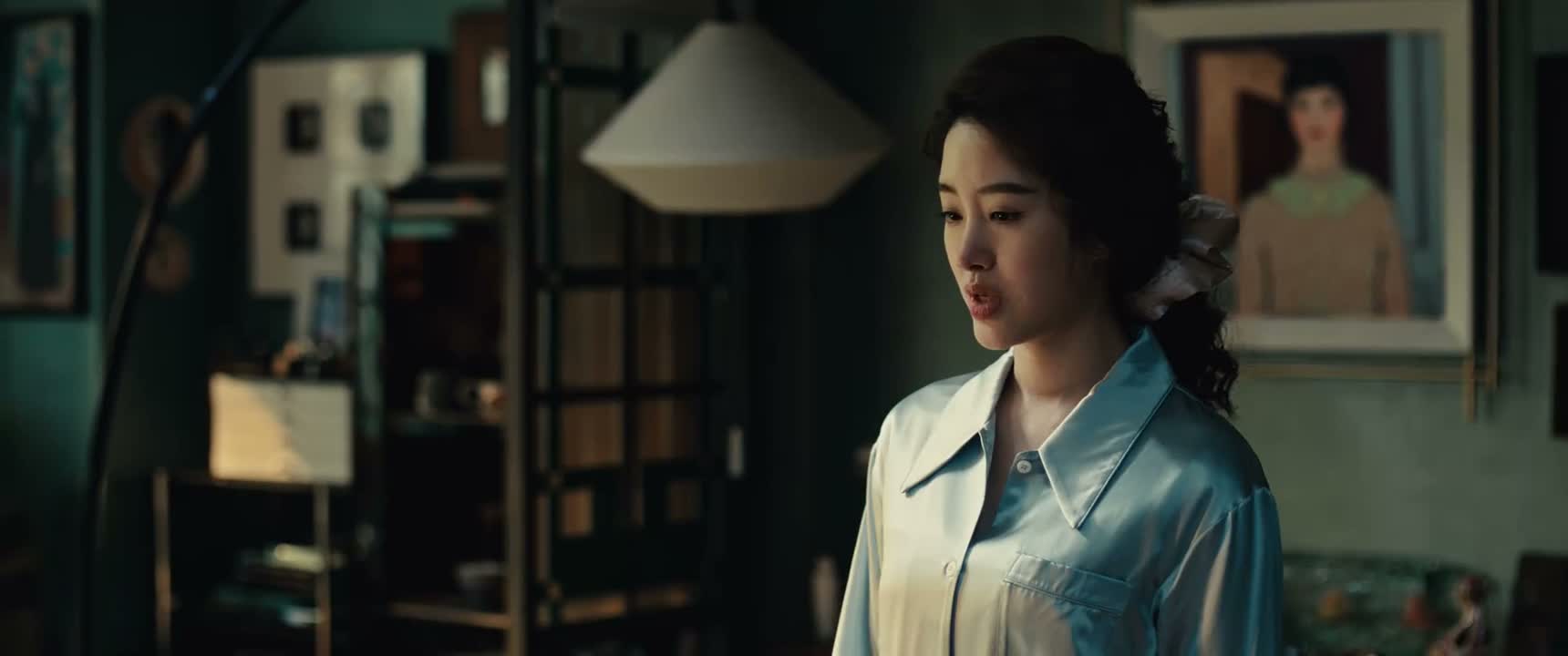
“so he asked you to bring your toothbrush and pillow back so that you don't get in the way of him seeing other women?”

“I made myself clear last night”

“I won't eat candies after brushing my teeth any more.”

“Didn't I already say it yesterday? - It's only been a day… - Cut the nonsense.”

“Didn't I tell you before?”