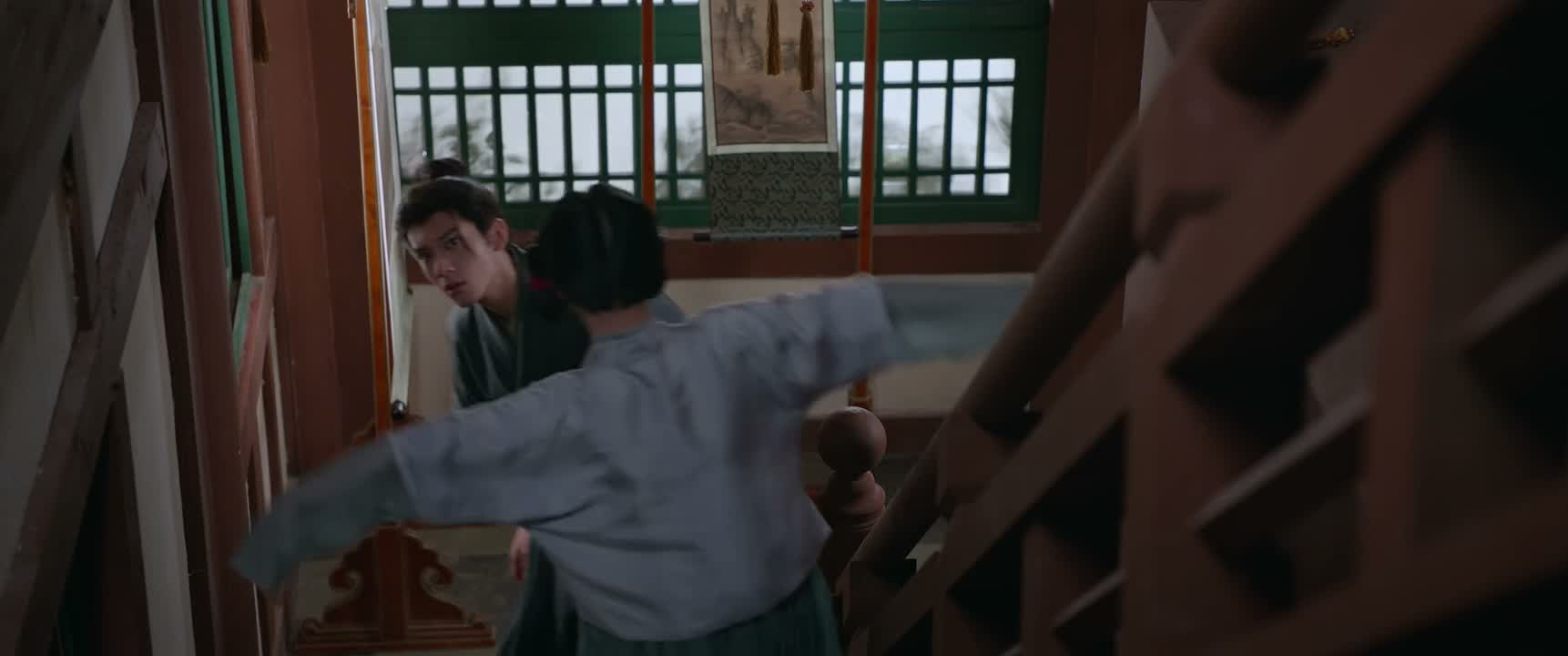
《About Love》 S1·E20 (08:04)
HSK 2
yǒu shén me kě kàn de nǐ shì xiǎo hái a
有什么可看的 你是小孩啊
“What's there to see? Are you a kid?”
《About Love》
S1·E20
TIMECODE: 08:04
·
1080P MASTER AUDIO
THE DIALOGUE REEL
[-1] PREVIOUS TURN
ràng wǒ kàn kàn
让我看看
“Let me see.”
yǒu shén me kě kàn de nǐ shì xiǎo hái a
CURRENT FOCUS
有什么可看的 你是 小孩啊
“What's there to see? Are you a kid?”
[+1] FOLLOW-UP TURN
wǒ kàn kàn
我看看
“Let me take a look.”
Subtitles synced to millisecond timecode
Browse Show Clips →
Scene:
Social & Dating
Function:
TEASING REFUSAL
Tone:
TEASING
Emotion:
AMUSEMENT
WHAT THEY REALLY MEAN (PRAGMATIC SUBTEXT)
“Stop being nosy, it is nothing special.”
💡 Cultural Insight: Flirtatious Feigned Annoyance (Dajiao)
In close Chinese relationships, calling someone childish or pretending to withhold something minor is a common way to build playful intimacy.
INTENT TAGS:
#teasing
#dismissal
#playful_banter
#affection
🧩
2 CHUNKS · 1 PARTICLES
LEARNING CHUNKS & PARTICLES
有什么可看的
SPOKEN CHUNK
there is nothing worth seeing; what is so interesting about it
Used to dismiss someone's excessive curiosity about mundane objects or scenes.
你是小孩啊
SPOKEN CHUNK
are you a child?; don't act like a kid
A colloquial rhetorical question used affectionately or mockingly to call out childish curiosity or behavior.
Modal Particle「啊」 (a)
CHANGE OF STATE
Softens the rhetorical question into affectionate, playful teasing rather than harsh criticism.
🏮
2 EXPR · 2 GRAMMAR
VOCABULARY & EXPRESSIONS
COLLOQUIAL EXPRESSIONS:
CROSS-CINEMA CORPUS BOARD · PARALLEL SCENES
EXPLORE BY SEMANTIC SIMILARITY
Parallel Spoken Cinema Scenes (语义近邻切片)
《About Love》 S1·E20 (08:04) · Authentic Cinema Dialogue Corpus