村里有没有同名同姓的
“Is there anyone else with the same name, another Jiao Yuqin?”
THE DIALOGUE REEL
不可能啊
“That's impossible.”
村里 有没有 同名同姓 的
“Is there anyone else with the same name, another Jiao Yuqin?”
另外的焦玉芹
“Is there anyone else with the same name, another Jiao Yuqin?”
“There must be a mistake or another person involved, because this person's record doesn't make sense.”
Because certain surnames predominate in specific Chinese villages, bearing identical or similar names is relatively common and often leads to administrative or personal confusion.
LEARNING CHUNKS & PARTICLES
sharing the exact same surname and given name; namesakes
A four-character chengyu commonly used when verifying identities or clearing up confusion between two people with identical names.
is there any... (kind of person/thing)
A standard spoken inquiry pattern used to ask about the existence of individuals matching certain criteria.
Forms a nominal phrase referring to people possessing the trait described.
VOCABULARY & EXPRESSIONS
Parallel Spoken Cinema Scenes (语义近邻切片)
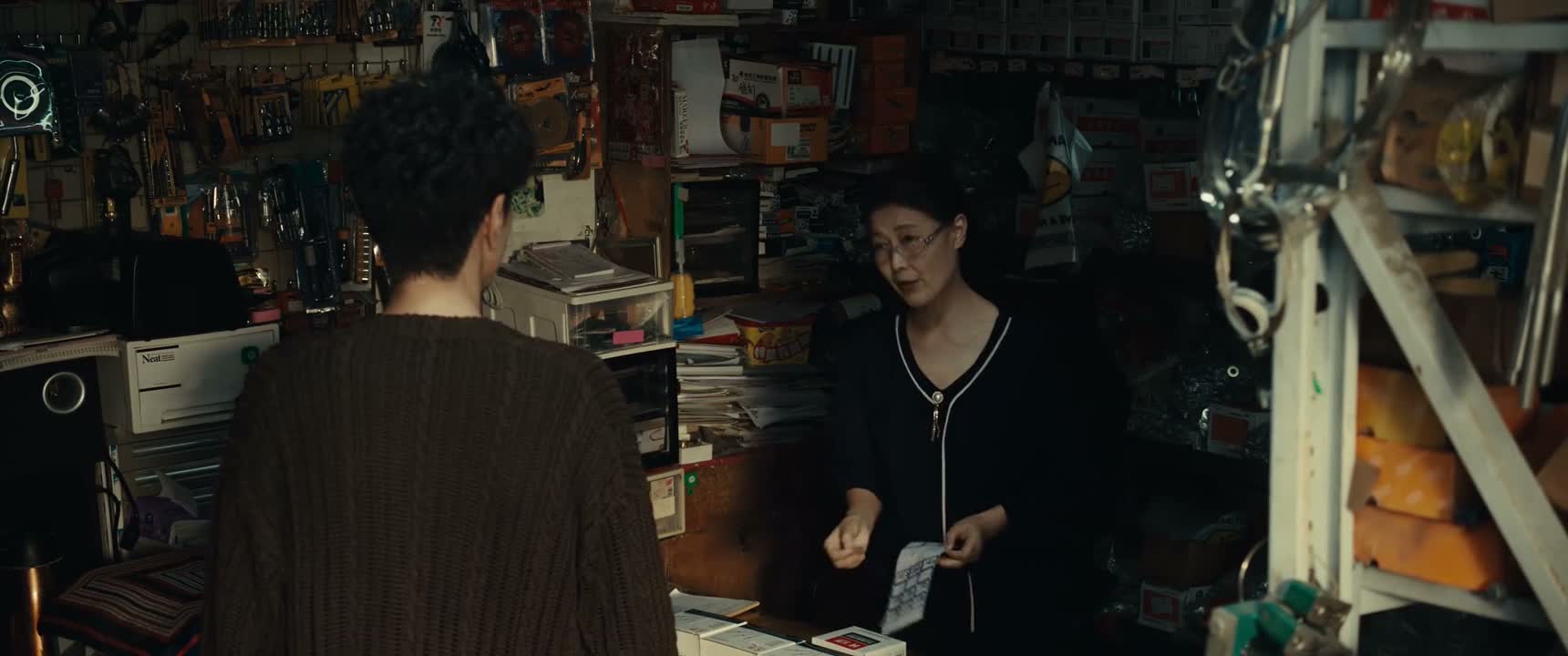
“saying there's someone with the same name as me.”

“Perhaps, legally, our names don't appear in the same household register,”

“Could they have been using another surname?”

“Besides, you don't have the same last name.”

“our relationship as husband and wife”

“The thing is that my dad and I are not on the same family register,”