我同不同意有啥用呢
“What good is my approval?”
THE DIALOGUE REEL
叔 你同意了
“Uncle, do you approve?”
我 同不同意 有啥用 呢
“What good is my approval?”
“All across Chang'an, everyone knows you're Yi Qin'e's family.”
“My opinion does not matter anyway, so why even ask me?”
In traditional communities, being the family member of a celebrity binds one's social identity, rendering personal choices subordinate to public recognition.
LEARNING CHUNKS & PARTICLES
what is the use / what good does it do
A very common colloquial rhetorical question highlighting futility or powerlessness.
whether one agrees or not
An affirmative-negative question form used as a noun clause denoting consent.
Softens the rhetorical question while underscoring a reflective sense of helplessness.
VOCABULARY & EXPRESSIONS
Parallel Spoken Cinema Scenes (语义近邻切片)

“I wasn't asking whether you agree or not. I was asking for solutions.”
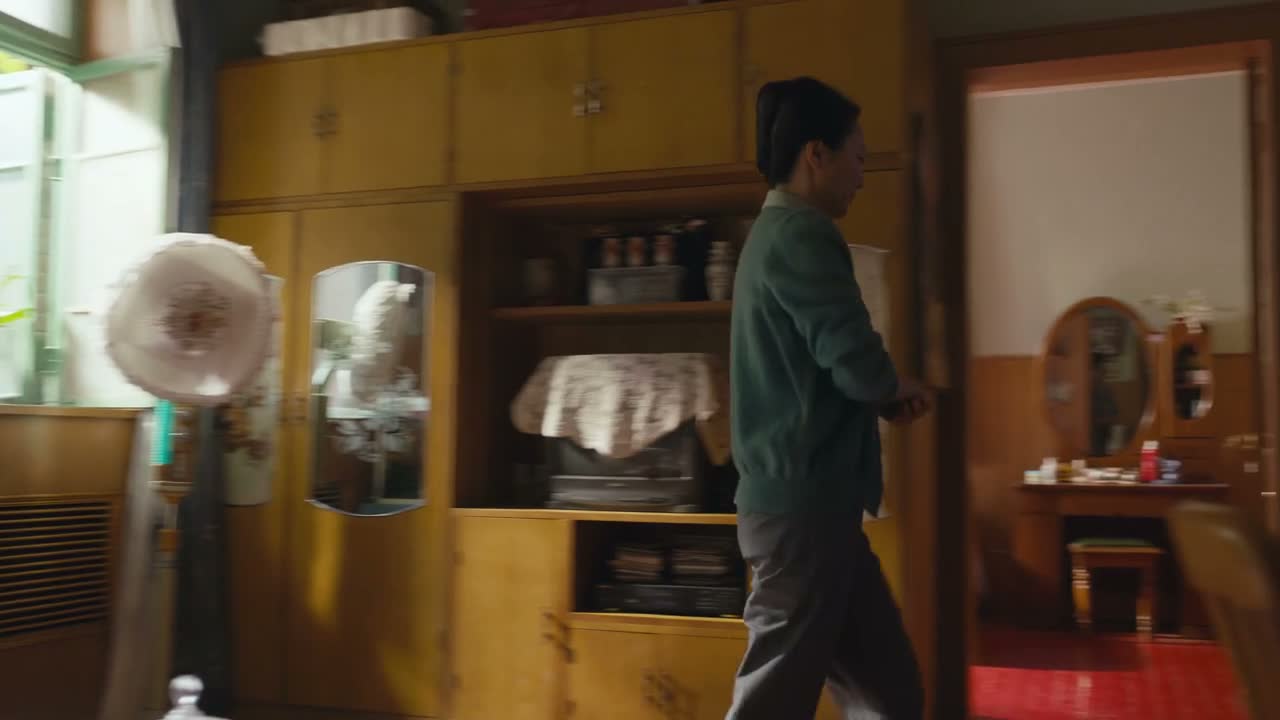
“What's the use of saying this now?”

“What's in it for me? Right?”

“But what difference does it make?”

“isn't about how useful the other person is,”

“Only he knows the best whether he can handle it or not.”