我觉得这是 谁问你了 上车
“I think this is... Who asked you? Get in.”
THE DIALOGUE REEL
挺有意义的 想找我写篇报道 宣传 宣传
“this is very meaningful. They want me to write a report for publicity.”
我觉得 这是 谁问你了 上车
“I think this is... Who asked you? Get in.”
你们都回来了
“You're all back.”
“Your opinion doesn't matter right now, just get moving.”
Between close friends or familiar peers, rhetorical dismissals like '谁问你了' are frequently used to shut down banter without intending genuine hostility.
LEARNING CHUNKS & PARTICLES
Who asked you?
A blunt, colloquial rhetorical challenge used to dismiss someone offering an unsolicited opinion.
get in the vehicle / board the car
A common imperative command in transit and everyday commuting.
Marks the completed focus of asking, highlighting the irrelevance of the comment.
VOCABULARY & EXPRESSIONS
Parallel Spoken Cinema Scenes (语义近邻切片)
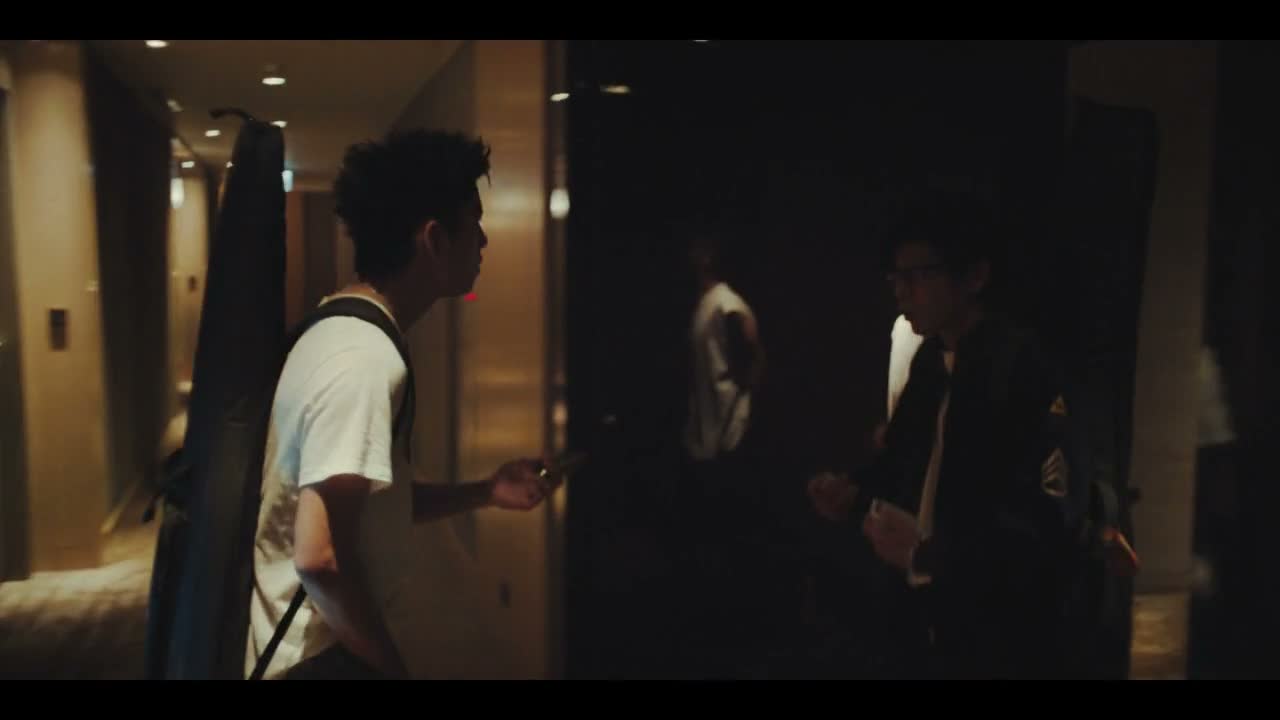
“Why are you asking me?”

“You guys get in first. You'd better get to the bottom of this.”

“How should I know?”
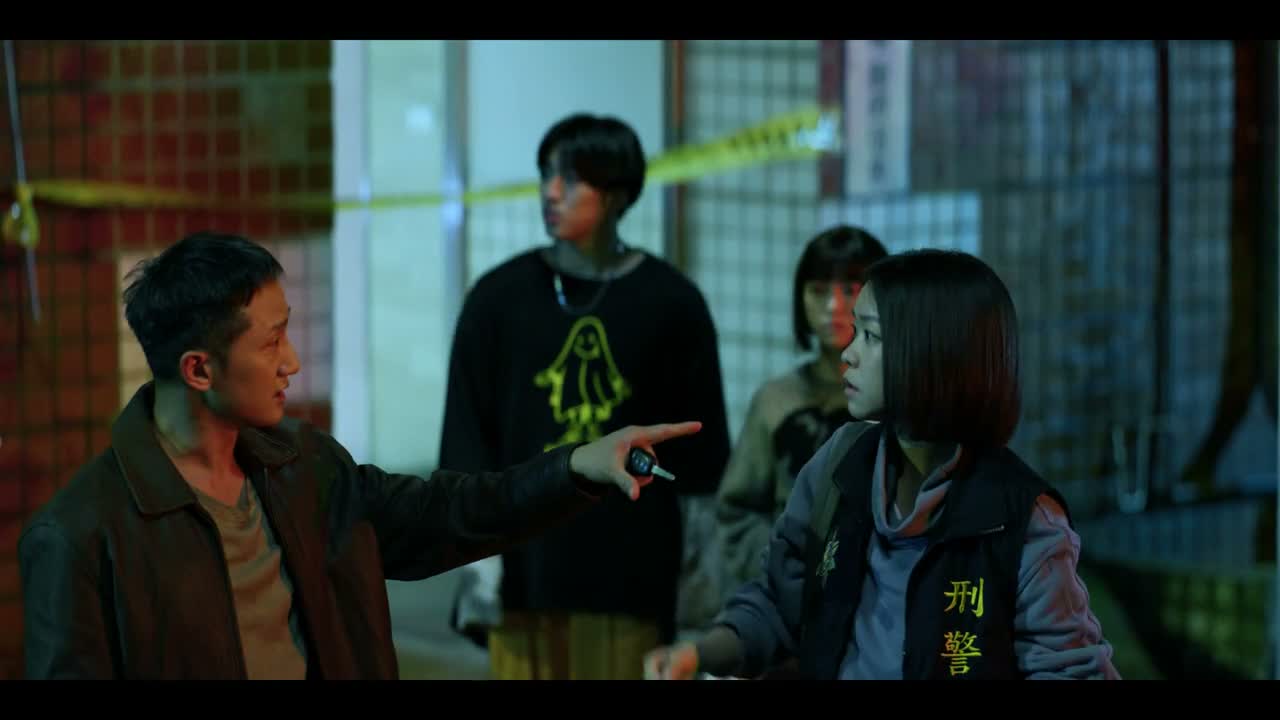
“You following? You'll mess it up.”

“I've called a cab. Who's sharing it with me? This is just the beginning, you know?”

“Why am I in your car?”