就是不想搭理你 你烦不烦啊
“I just don't want to talk to you. You're so annoying.”
THE DIALOGUE REEL
我干啥了
“What did I do?”
就是不 想 搭理 你 你烦不烦 啊
“I just don't want to talk to you. You're so annoying.”
烦死了
“Annoying!”
“Leave me alone and stop bothering me.”
While Chinese social interaction usually prizes harmony and face-saving, dropping all politeness markers and using blunt phrases like '不搭理' signals that relational etiquette has completely broken down.
LEARNING CHUNKS & PARTICLES
do not want to pay attention to or interact with
Used in colloquial speech to bluntly show refusal to communicate with someone.
aren't you annoying / stop being annoying
A sharp rhetorical question used to express extreme impatience with someone's persistent behavior.
Intensifies the rhetorical question, projecting sharp irritation and impatience.
VOCABULARY & EXPRESSIONS
Parallel Spoken Cinema Scenes (语义近邻切片)

“Doesn't that mean she doesn't want to talk to you anymore?”

“If you don't like them or feel uncomfortable, just ignore them.”

“I've told you that I don't want to talk about it and I don't want to see him!”

“Maybe she just doesn't want to talk to you?”
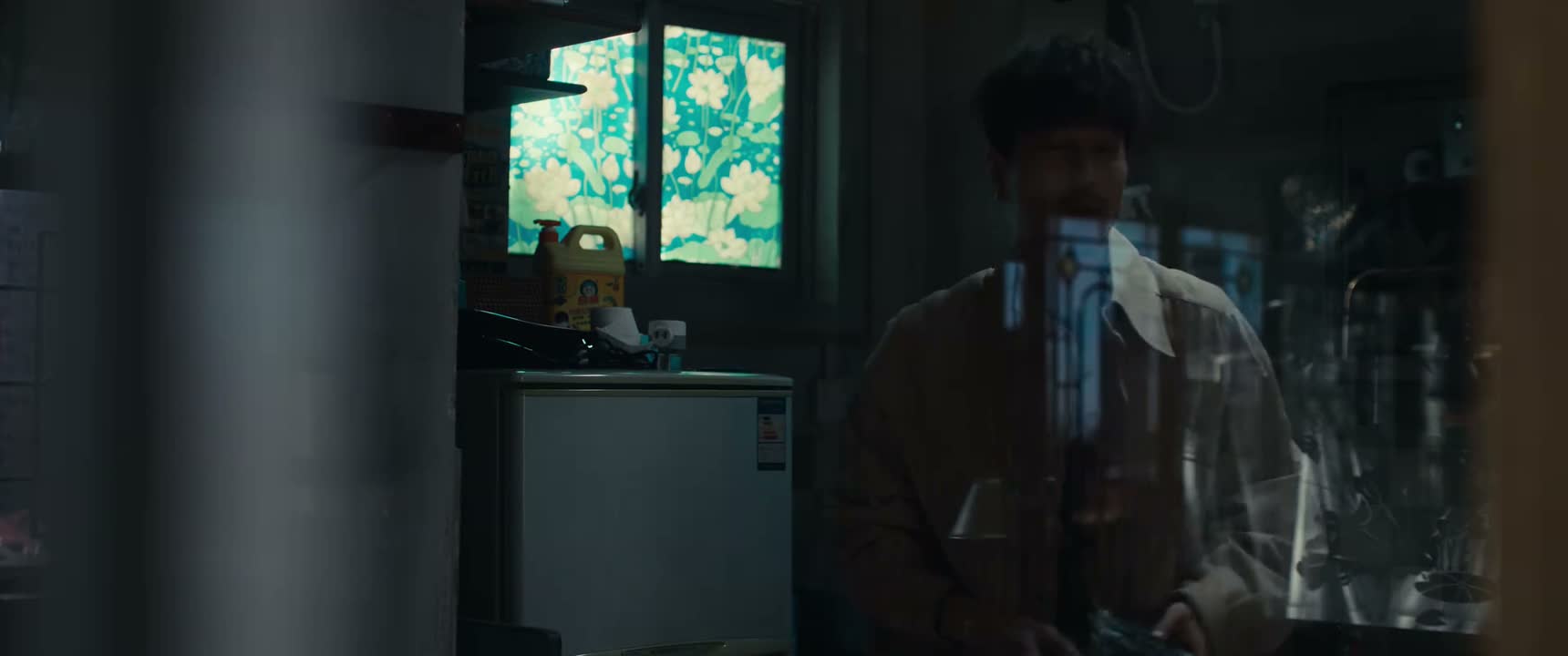
“I really don't want to fight anymore.”

“What does that mean? It means he doesn't want to talk to you.”