谁知道他给藏哪儿了呀
“Who knows where he hid it? I really can't find it.”
THE DIALOGUE REEL
你那日记本找到没有
“Don't you have any other evidence? Have you found that diary?”
谁知道 他给 藏哪儿了 呀
“Who knows where he hid it? I really can't find it.”
我真的找不到
“Who knows where he hid it? I really can't find it.”
“Don't blame me for not finding it; he hid it so well that it's impossible to locate.”
Using 'who knows' (谁知道) serves as a common pragmatic defense to preempt criticism or blame for failing a task.
LEARNING CHUNKS & PARTICLES
who knows / heaven knows
Used to express ignorance accompanied by mild annoyance or resignation.
hid it somewhere unknown
Colloquial structure where '给' adds an informal, slightly passive or emphatic flavor to the action.
Softens the rhetorical tone while expressing palpable exasperation and helplessness.
VOCABULARY & EXPRESSIONS
Parallel Spoken Cinema Scenes (语义近邻切片)

“Do you know where he is?”
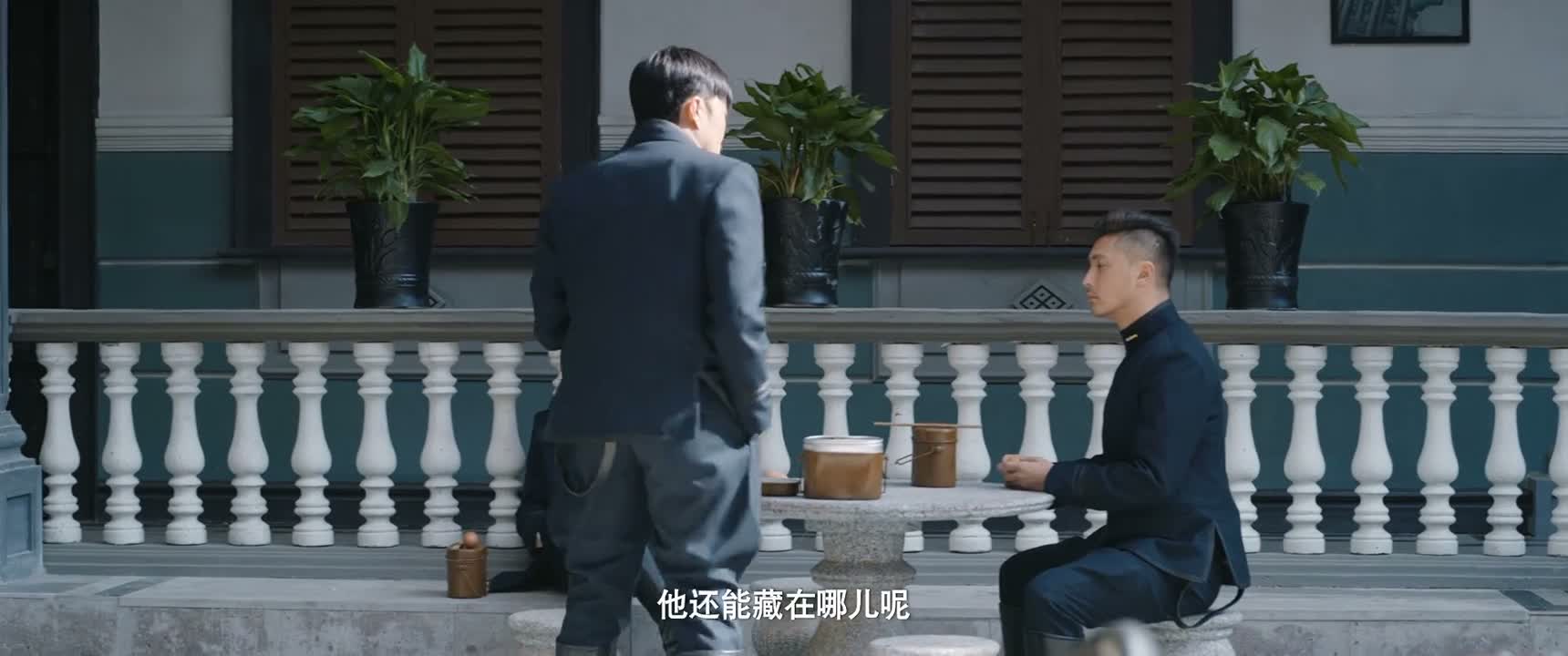
“Where else could he be hiding?”

“Who knows where they are hiding or who they have bribed?”

“I have no idea where he is.”