他还能藏在哪儿呢
“Where else could he be hiding?”
THE DIALOGUE REEL
他 还能藏在哪儿呢
“Where else could he be hiding?”
我也感觉
“I also feel”
“We have checked everywhere obvious; where on earth could he have gone?”
Chinese speakers often use rhetorical questions with modal particles like 'ne' to invite collective brainstorming when reaching an impasse.
LEARNING CHUNKS & PARTICLES
where else could... possibly be
A rhetorical query structure used to express bewilderment or limited possibilities.
hide where
Common phrasing to inquire about the physical location of someone hiding.
Softens the interrogative while highlighting ongoing contemplation and puzzlement.
VOCABULARY & EXPRESSIONS
Parallel Spoken Cinema Scenes (语义近邻切片)

“is hiding right now?”
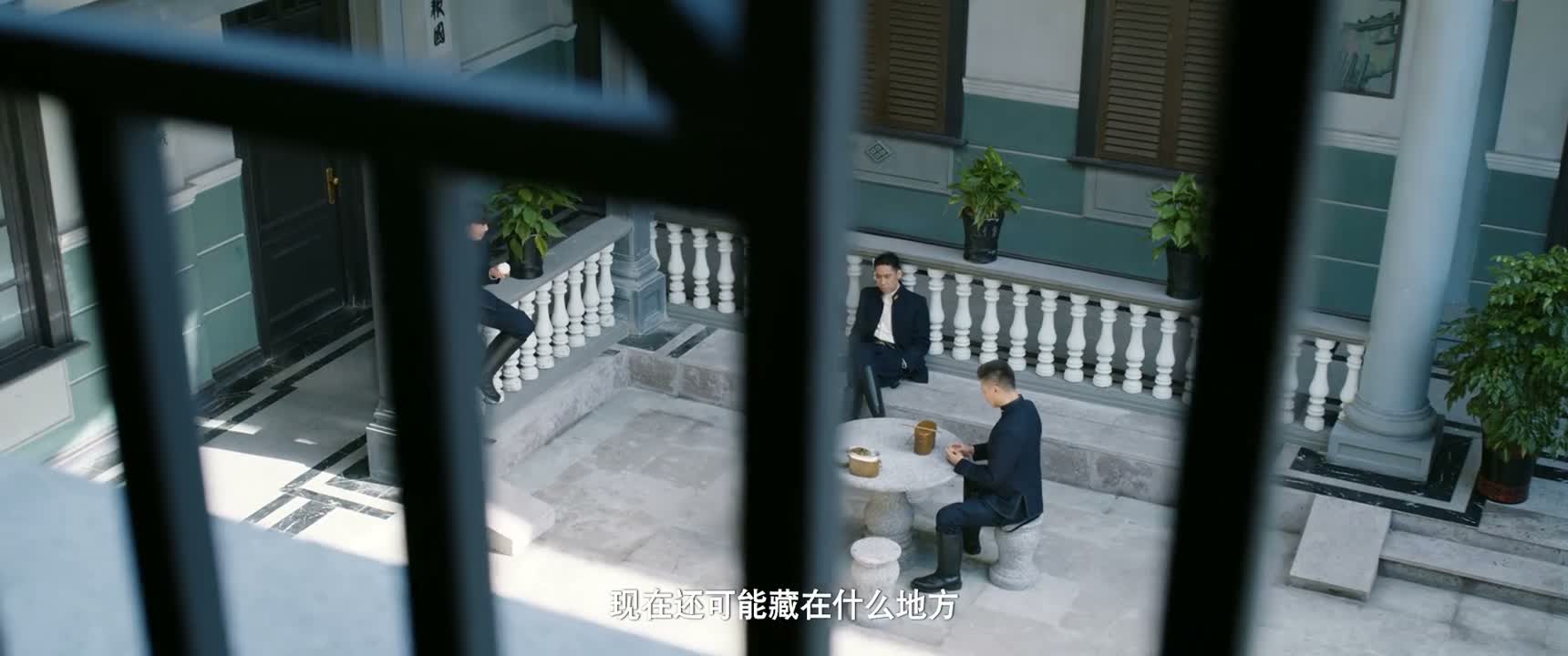
“where could he possibly be hiding now?”

“Who knows where he hid it? I really can't find it.”

“Where could it be?”

“But where could that many bats have been hidden?”