我都不知道他在哪里
“I have no idea where he is.”
THE DIALOGUE REEL
回来又出去
“In and out.”
我都不知道他在哪里
“I have no idea where he is.”
然后呢
“And honestly,”
“Don't ask me, he wanders off all the time and never tells me either.”
Placing '都' before negative verbs like '不知道' softens or defends the speaker's stance by signaling 'even I (the obvious source) am out of the loop'.
LEARNING CHUNKS & PARTICLES
even I don't know / I don't even know
Use '都' here to create emphasis, indicating that if the speaker doesn't know, nobody should expect them to.
where (someone or something is)
The standard colloquial interrogative phrase for asking or talking about physical location.
VOCABULARY & EXPRESSIONS
Parallel Spoken Cinema Scenes (语义近邻切片)

“and ask if he is there.”

“And she's still nowhere to be found.”

“You knew where the Star Stone was and didn't tell me?”

“I don't know where I'd have drifted.”

“I really don't know. I...”

“the person's location,”
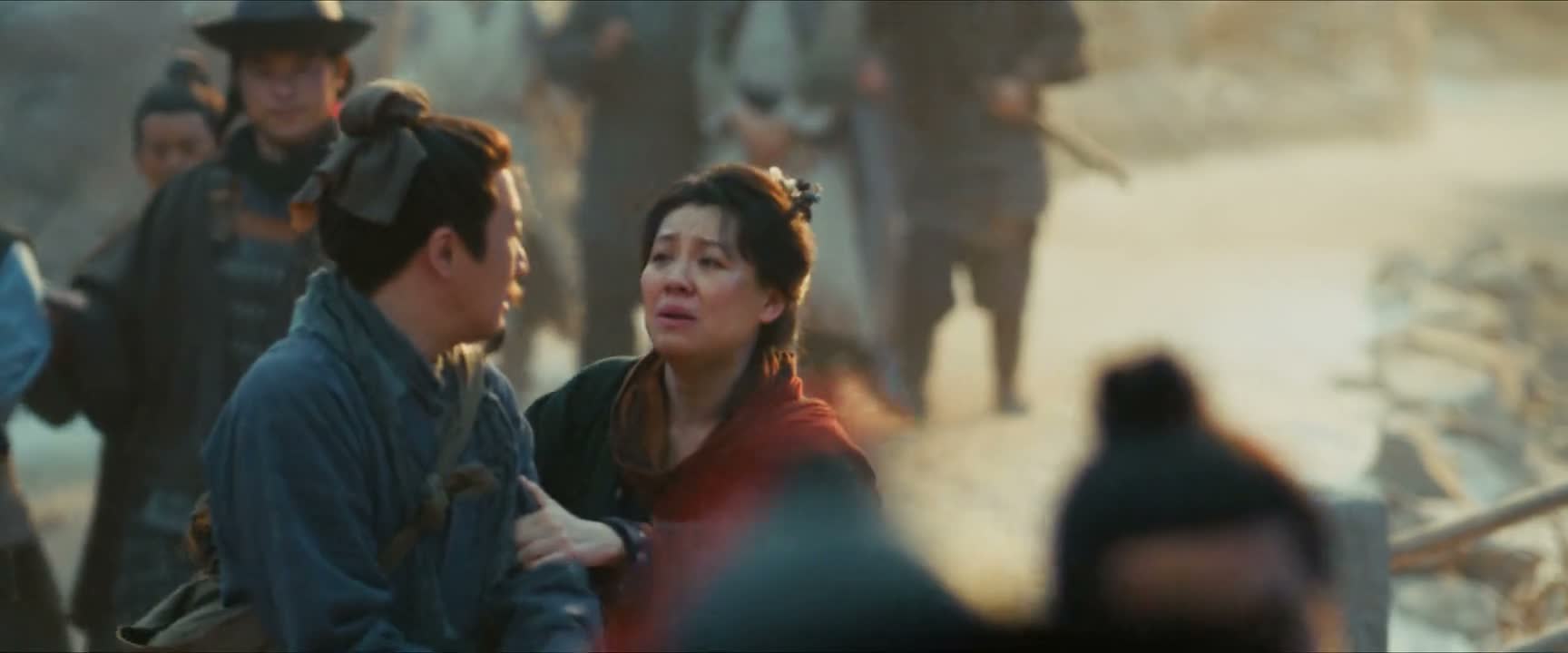
“I don't know where she is now.”

“But I didn't know where he went either.”

“I have no idea how he deals with all the pork and offal.”

“I wonder what he's doing.”

“I wonder where he is”

“I really don't know where he went. He went out this morning, right?”

“I really don't know where else to look for him.”

“I don't know, either. I just found out he's gone.”

“I'm clueless about how he's doing over there now.”

“Who knows where he hid it? I really can't find it.”