我真的不知道他去哪了 早上出去了是吧
“I really don't know where he went. He went out this morning, right?”
THE DIALOGUE REEL
今天一大早他就出去了
“He went out early this morning.”
我真的不知 道他 去哪了 早上 出去 了 是吧
“I really don't know where he went. He went out this morning, right?”
出什么事了 没事我们就是来找他 回去问点事
“What happened? Nothing. We're just looking for him to ask some questions.”
“Leave me out of this, I truly don't know where he ran off to.”
Ordinary citizens often express total ignorance when approached by authorities to avoid getting dragged into troublesome legal or interpersonal conflicts.
LEARNING CHUNKS & PARTICLES
truly do not know
A common spoken phrase used to strongly emphasize genuine lack of information.
right? / isn't it?
Tag question placed at the end of a statement to seek agreement or confirmation.
Indicates a completed change of state or action regarding leaving.
Softens the inquiry into a gentle tag question seeking confirmation.
VOCABULARY & EXPRESSIONS
Parallel Spoken Cinema Scenes (语义近邻切片)
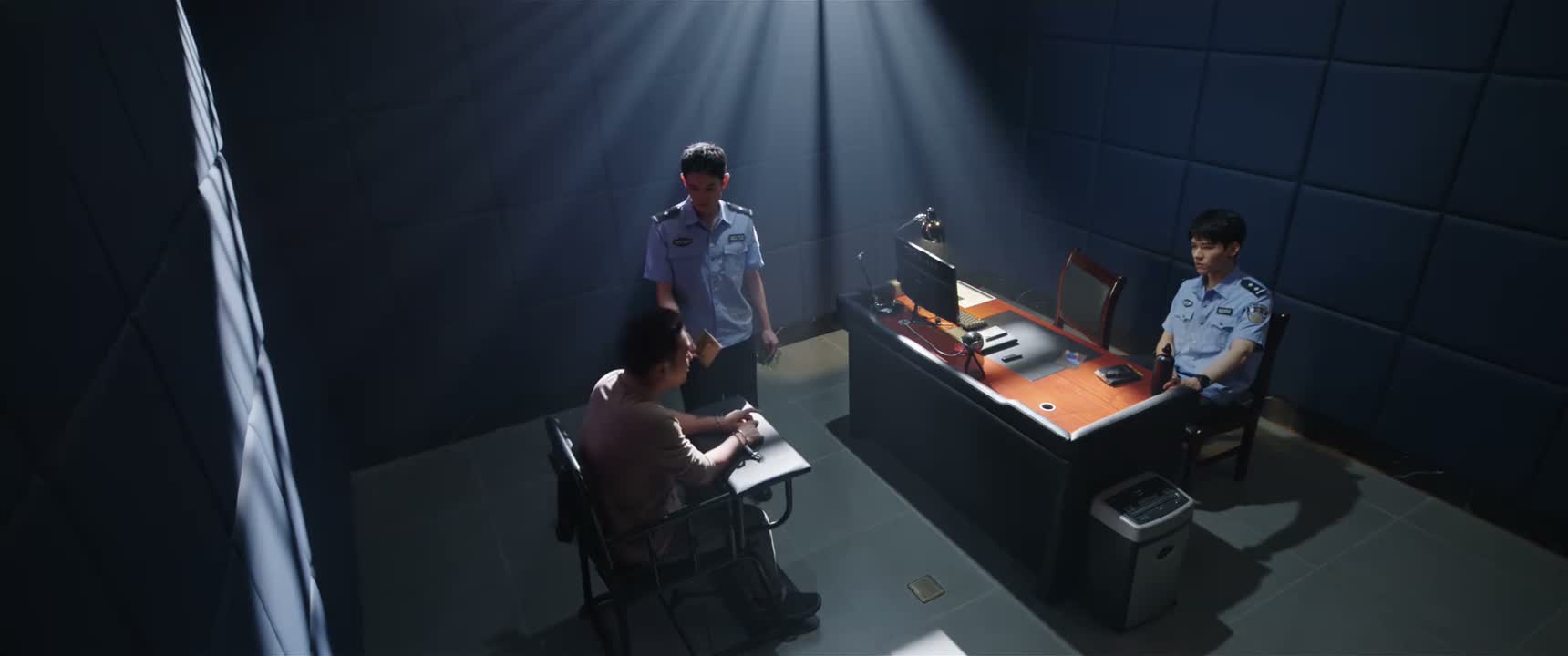
“I have no idea how he deals with all the pork and offal.”

“I have no idea where he is.”

“He left this morning. Probably off playing mahjong somewhere.”

“I wonder where he is”

“I don't know where I'd have drifted.”

“Otherwise, I don't know how he would have survived all these years.”

“I really don't know. I...”

“I wonder if they're back yet.”

“No idea when she left. Why don't you look for her?”
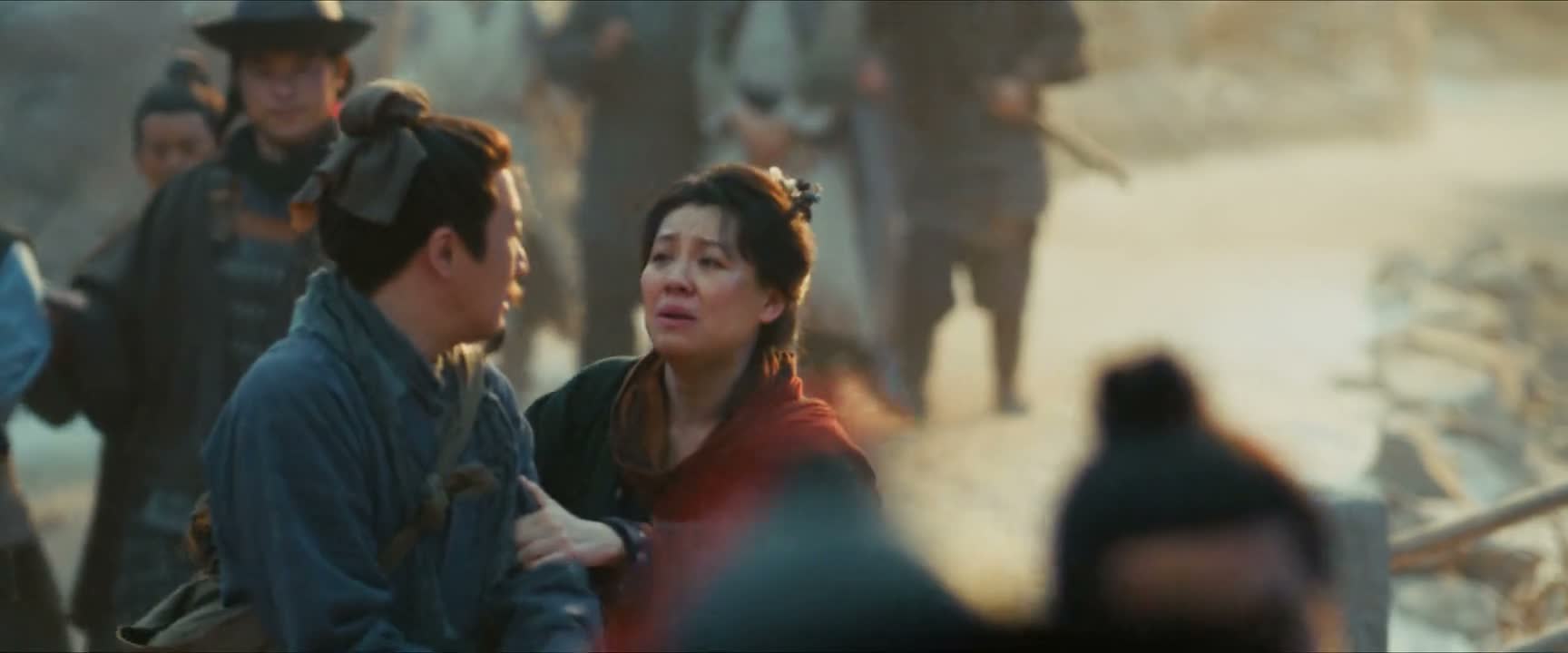
“I don't know where she is now.”

“But later, for an unknown reason, this Mister suddenly disappeared.”

“I don't know, either. I just found out he's gone.”

“I'm clueless about how he's doing over there now.”

“But I didn't know where he went either.”