MC
MandarinClips Cinema Corpus
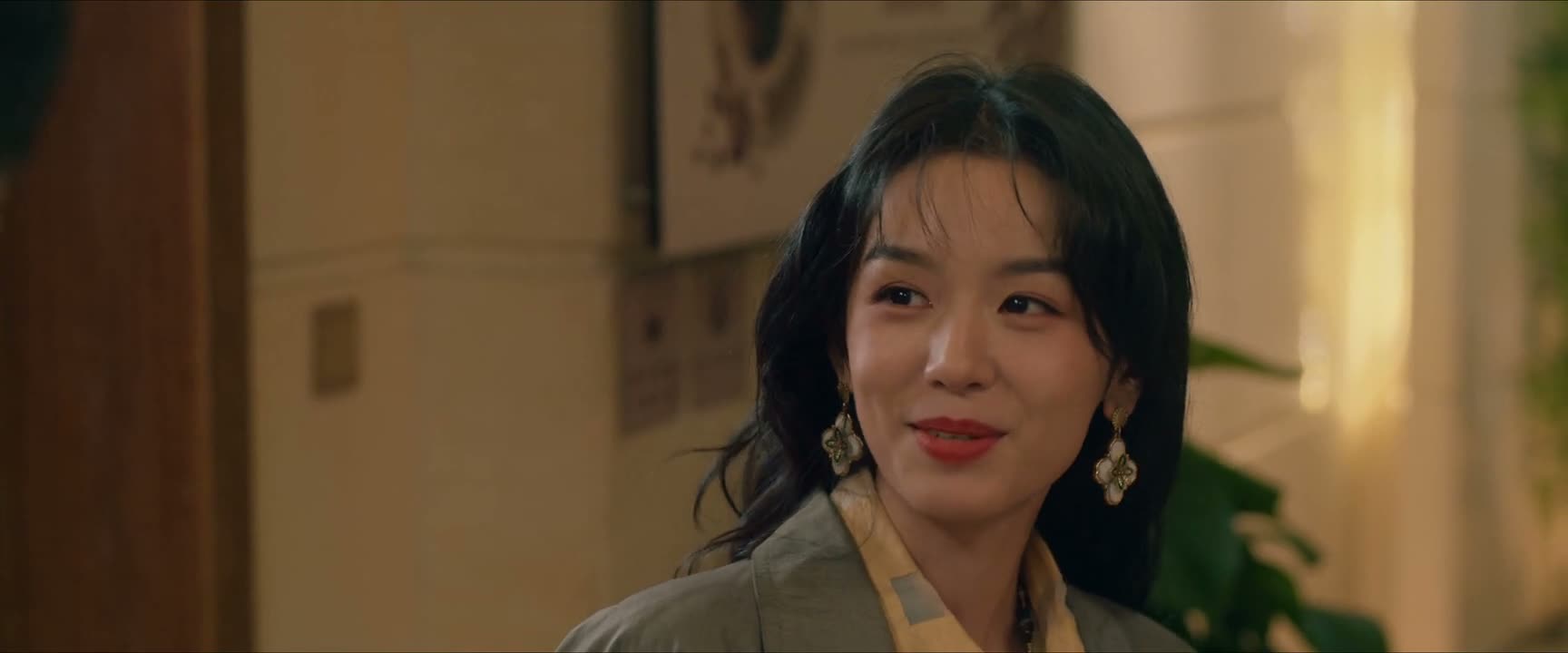
《Love Story in the 1970s》 S1·E9 (25:10) HSK 2
nǐ shén me shí hòu shàng lái de

你什么时候上来的

“When did you get up here?”

《Love Story in the 1970s》 S1·E9
TIMECODE: 25:10 · 1080P MASTER AUDIO

THE DIALOGUE REEL

1+1+1 SPOKEN CONTINUITY
[-1] PREVIOUS TURN nà wǒ xiǎng zài zhè fàng yí gè huà jià huà jià duì huà huà yòng

那我想在这放一个画架 画架 对 画画用

“I want to put an easel here. An easel? Yes, for painting.”

nǐ shén me shí hòu shàng lái de CURRENT FOCUS

你什么时候 上来 的

“When did you get up here?”

[+1] FOLLOW-UP TURN wǒ gāng shàng lái

我刚上来

“Just now.”

Subtitles synced to millisecond timecode Browse Show Clips →
Scene: Daily Life
Function: INQUIRY
Tone: CASUAL
Emotion: CURIOSITY
WHAT THEY REALLY MEAN (PRAGMATIC SUBTEXT)

Direct spoken expression in this communicative setting.

💡 Cultural Insight: The Shi...De Focus Construction

Spoken Chinese frequently drops the initial 'shi' while retaining 'de' at the end of the clause to emphasize the time, manner, or location of an established past event.

INTENT TAGS: #inquiry #clarification #casual_question #observing
🧩

LEARNING CHUNKS & PARTICLES

2 CHUNKS · 1 PARTICLES
什么时候 SPOKEN CHUNK

when; what time

The standard open-ended question phrase for asking about the timing of an event.

上来 SPOKEN CHUNK

to come up (stairs or to a higher elevation)

Directional verb complement indicating movement upward toward the speaker's location.

Modal Particle「的」 (de) CHANGE OF STATE

Part of the 'shi...de' construction focusing on the specific time of an already completed action.

🏮

VOCABULARY & EXPRESSIONS

2 EXPR · 1 GRAMMAR
CROSS-CINEMA CORPUS BOARD · PARALLEL SCENES

Parallel Spoken Cinema Scenes (语义近邻切片)

EXPLORE BY SEMANTIC SIMILARITY
《Love Story in the 1970s》 S1·E9 (25:10) · Authentic Cinema Dialogue Corpus