你说你们买什么新鞋呀
“Why did you go and buy new shoes?”
THE DIALOGUE REEL
“You can stay here as long as you like.”
你说你 们买 什么 新鞋呀
“Why did you go and buy new shoes?”
“Mom, it's a small gesture from Fang Muyang.”
“You shouldn't have spent your hard-earned money on me, though I truly appreciate it.”
Chinese elders routinely criticize juniors for 'wasting money' on gifts as a display of thrift and consideration, even when they are deeply pleased.
LEARNING CHUNKS & PARTICLES
why bother buying new shoes
A rhetorical way of scolding someone gently for spending money on gifts.
look at you two / honestly, you guys
A colloquial opener expressing gentle exasperation or affectionate reproof.
Softens the rhetorical complaint to sound fond and family-oriented rather than genuinely angry.
VOCABULARY & EXPRESSIONS
Parallel Spoken Cinema Scenes (语义近邻切片)

“complimented the pattern on my shoes,”

“What's a slut?”

“Welcome to Wen's Shoe Shop. - Shopping or customizing? - Hello.”
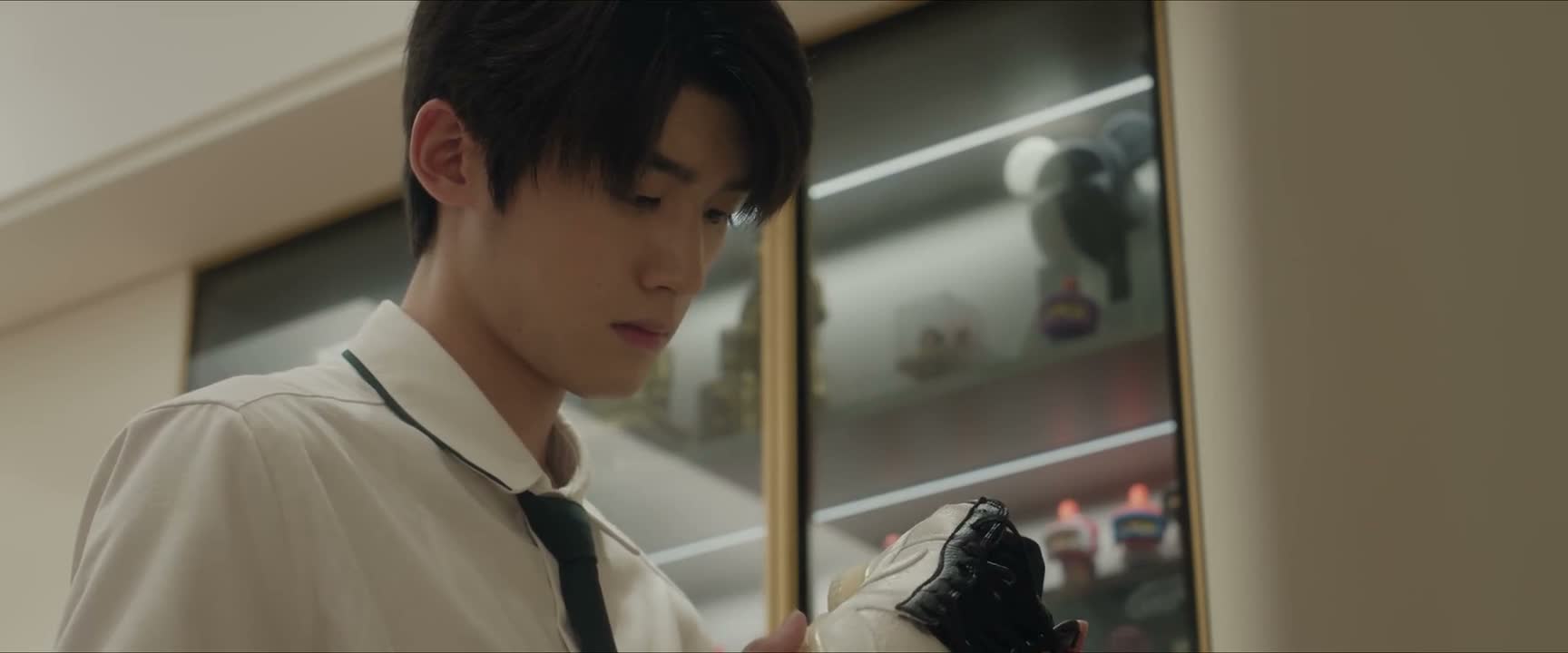
“Why is there a hole in your shoe?”
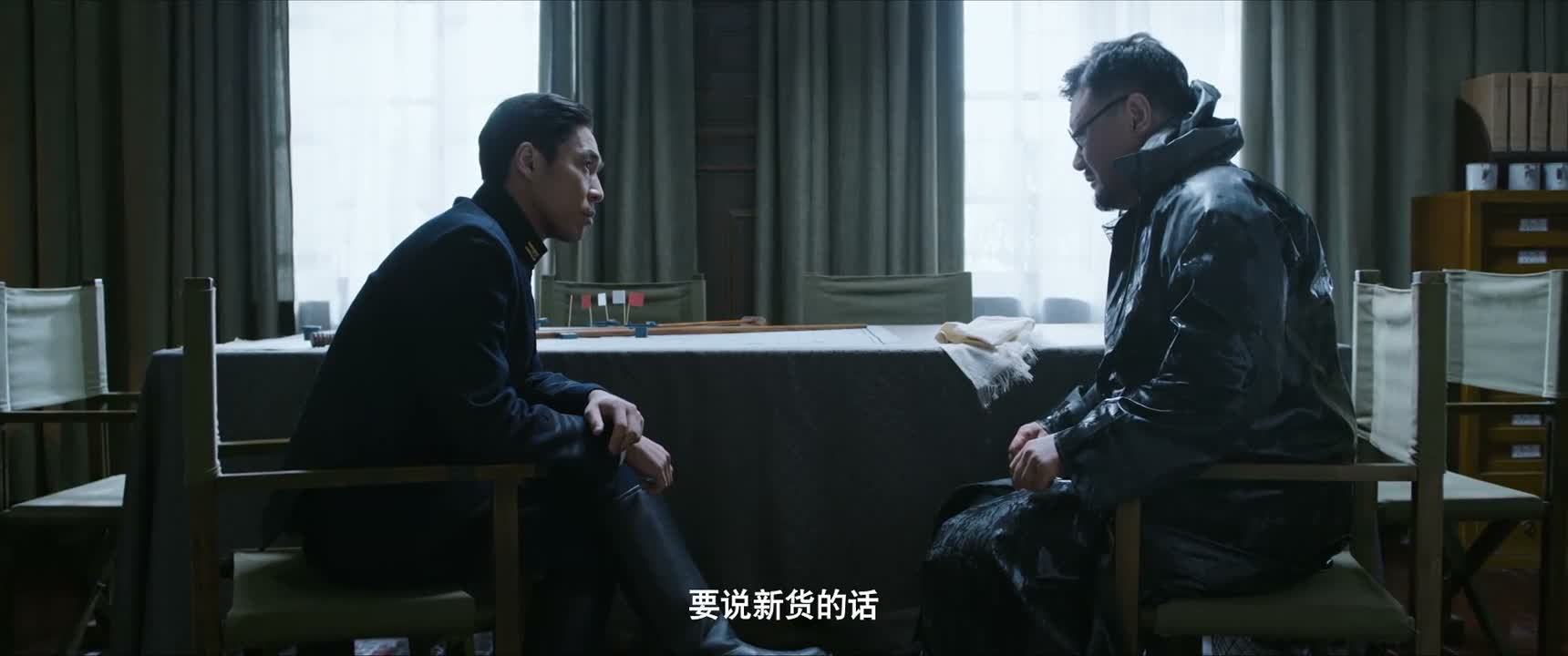
“Speaking of new arrivals”

“I really don't know what I should buy.”