我该不该救人救到底呢
“should I see it through to the end?”
THE DIALOGUE REEL
“if it's really you who wanted me to save him,”
我 该不该 救人 救 到底 呢
“should I see it through to the end?”
我该怎么办啊
“What should I do?”
“Getting further involved could ruin me, but walking away feels wrong.”
Traditional Chinese culture values seeing assistance through to completion, making premature abandonment of a needy person a source of moral guilt.
LEARNING CHUNKS & PARTICLES
to carry a rescue through to the end; to help someone thoroughly
Derived from the traditional proverb '送佛送到西,救人救到底', urging completeness in helping others.
Marks an internal dilemma or lingering contemplation in a rhetorical question.
VOCABULARY & EXPRESSIONS
Parallel Spoken Cinema Scenes (语义近邻切片)

“Are you trying to save him or kill him?”

“That's because to me, saving lives is an instinct.”
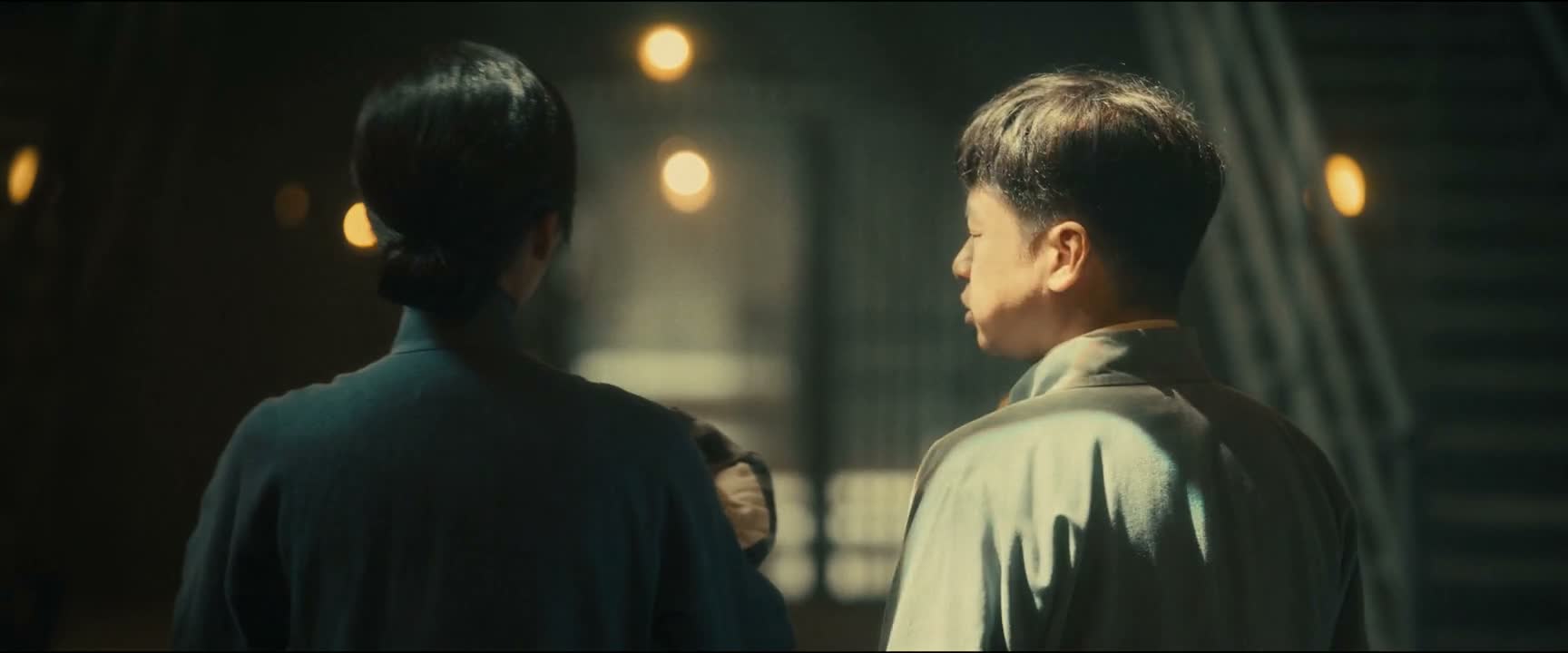
“How could you be wrong for saving someone?”

“Why don't you guys go into the water and save them first?”

“Saving lives comes first. I'll help you.”

“That's because to me, saving lives is an instinct. It doesn't require preparation.”