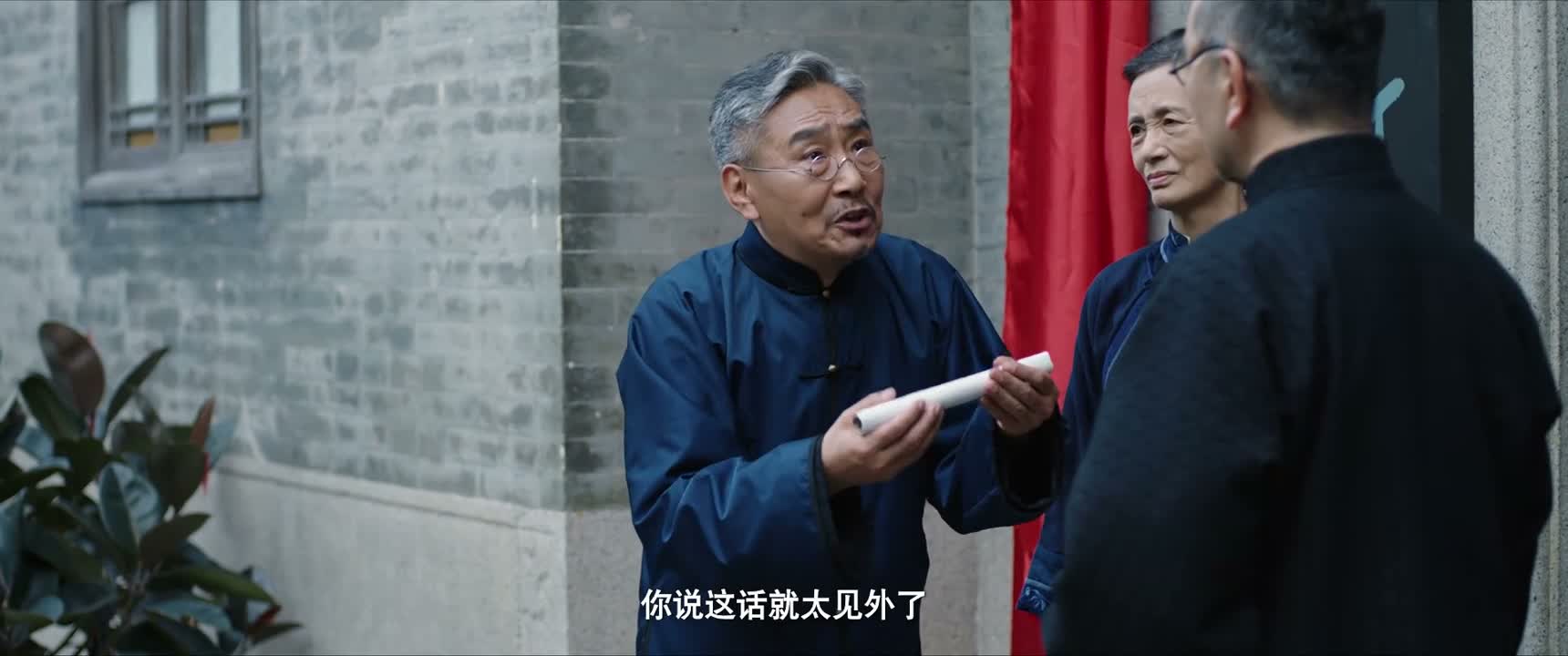
那你说这话就不客观了嘛
“That's not very fair to say.”
THE DIALOGUE REEL
剧团没戏演 你是要负责任的
“if the troupe has no shows, you will be held responsible.”
那 你说这 话就 不客观 了嘛
“That's not very fair to say.”
那我早就告诉你要未雨绸缪 你咋说的
“I told you to provide against a rainy day. And what did you say?”
“You can't pin this entirely on me; that's totally unfair.”
In Chinese bureaucratic or workplace settings, labeling an accusation as 'not objective' allows a person to strongly dispute blame while preserving professional demeanor.
LEARNING CHUNKS & PARTICLES
not objective / unfair
A common professional critique used to push back against accusations without using overly aggressive insults.
to speak this way / saying such things
Used to pinpoint someone's specific statement right before refuting or questioning it.
Asserts that the speaker's assessment is obvious and should be acknowledged as common sense.
Signals that the conversation has crossed a line into being unreasonable.
VOCABULARY & EXPRESSIONS
Parallel Spoken Cinema Scenes (语义近邻切片)
“”
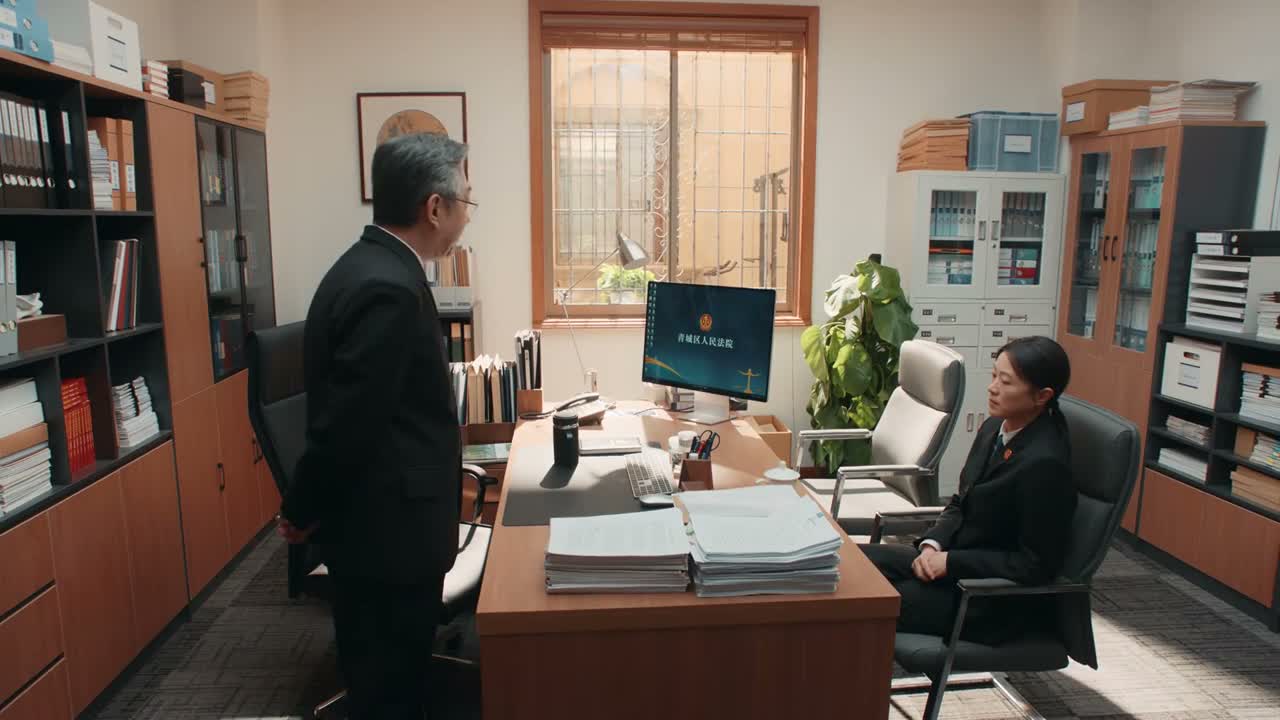
“Their questioning has to be objective and impartial.”

“you're absolutely right.”

“It's not fair for you to say that.”

“We're just looking at this objectively”

“Why do you say that?”