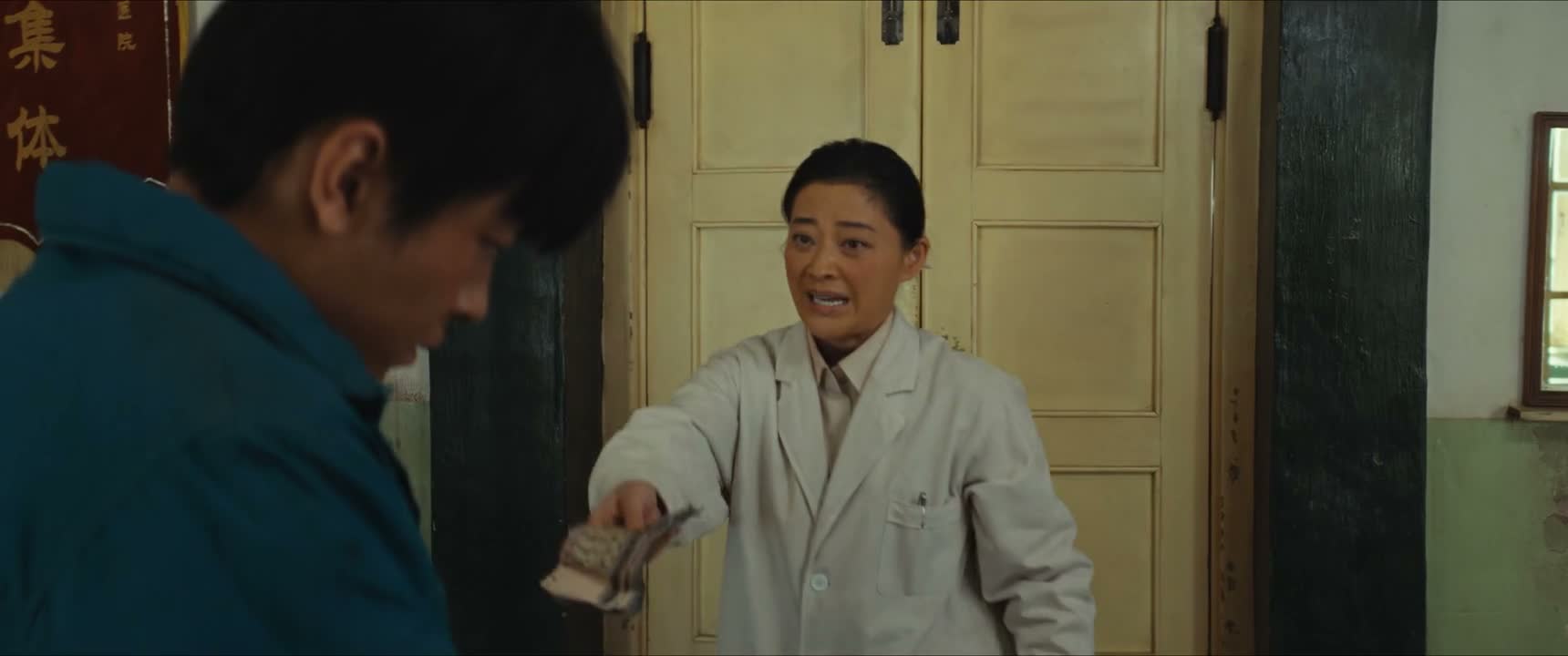
我看你是嫌少吧 是吧 你个混账东西
“You want more, don't you? You wretched person!”
THE DIALOGUE REEL
公道
“- I want justice! - Justice?”
我看你是 嫌少吧 是吧 你个 混账东西
“You want more, don't you? You wretched person!”
我今天一个子也不给你
“I won't give you a penny.”
“You think you deserve more? How dare you be so greedy, you good-for-nothing!”
Labeling someone a 'scoundrel' while repudiating their request for fairness is a common theatrical and cinematic way for a dominant figure to deny moral standing to an underling.
LEARNING CHUNKS & PARTICLES
to consider the amount too little; to complain about a small share
Commonly used with financial amounts, gifts, or compensation when someone shows discontent.
scoundrel; bastard; good-for-nothing
A severe spoken insult directed at someone viewed as shameless, insolent, or unprincipled.
Conveys an aggressive, presumptive inference rather than a polite guess.
VOCABULARY & EXPRESSIONS
Parallel Spoken Cinema Scenes (语义近邻切片)

“I thought you found the pay too low.”
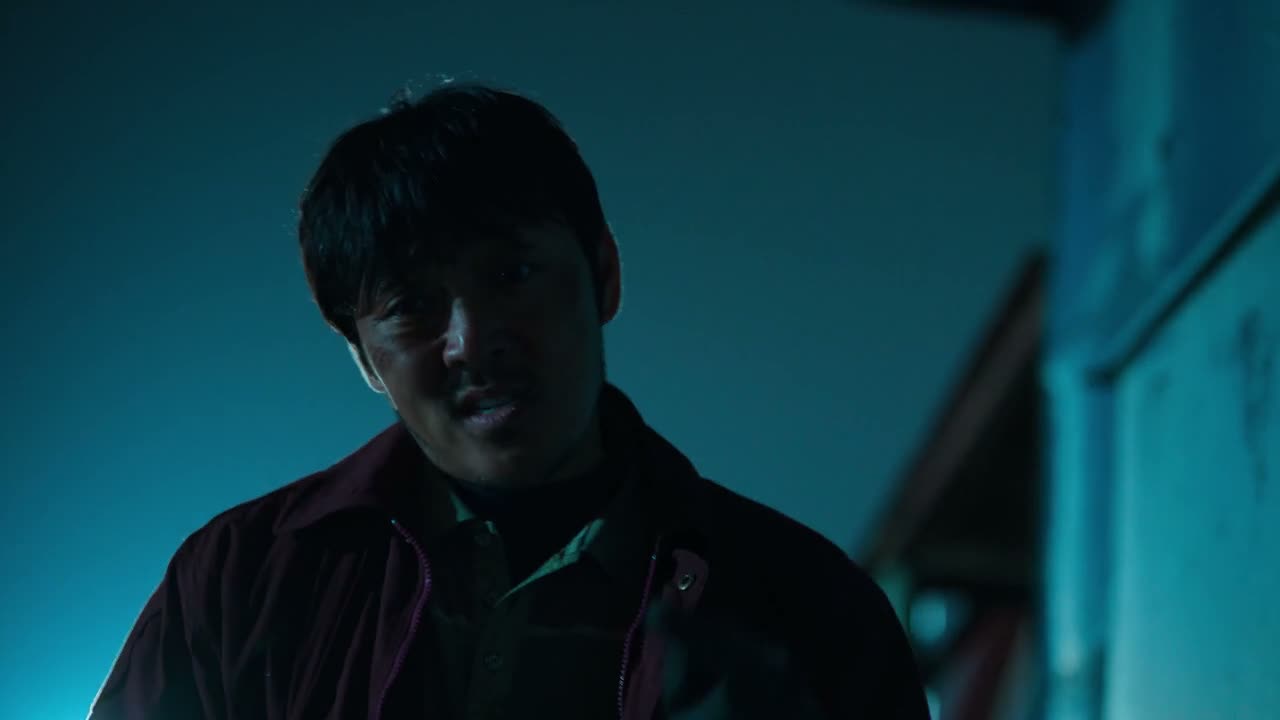
“Think you sold it cheap?”
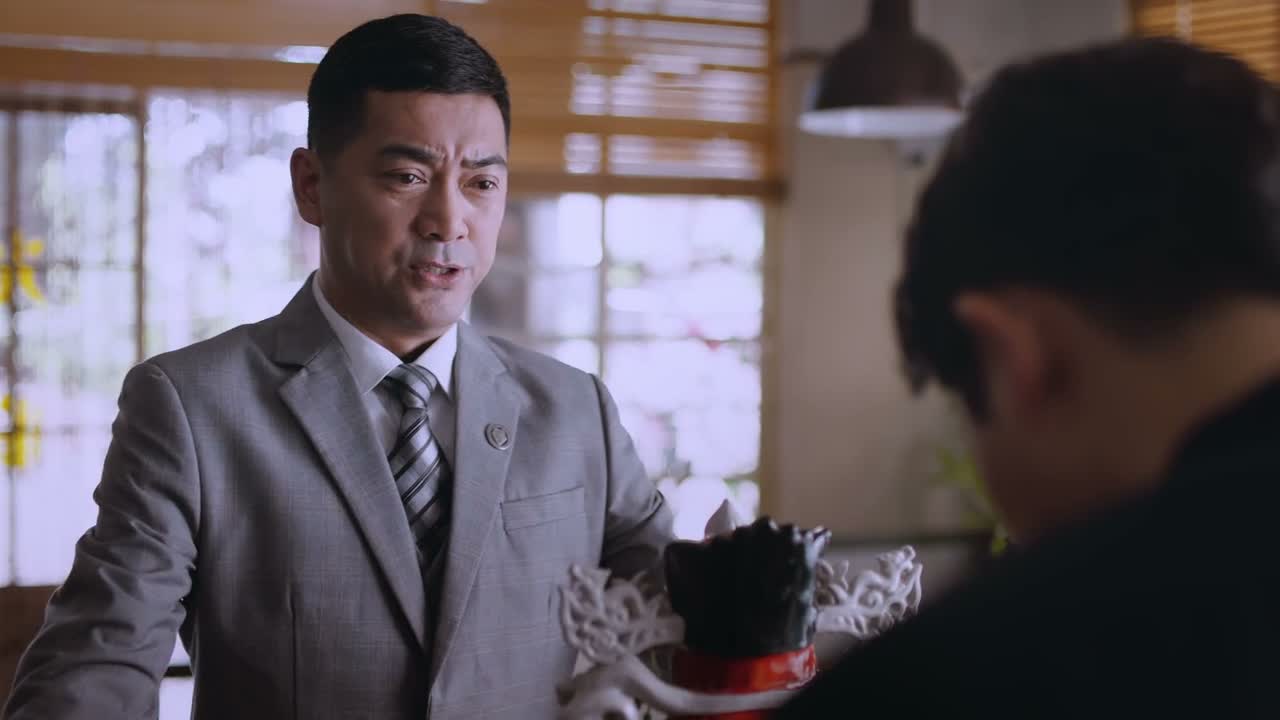
“You said nothing?”
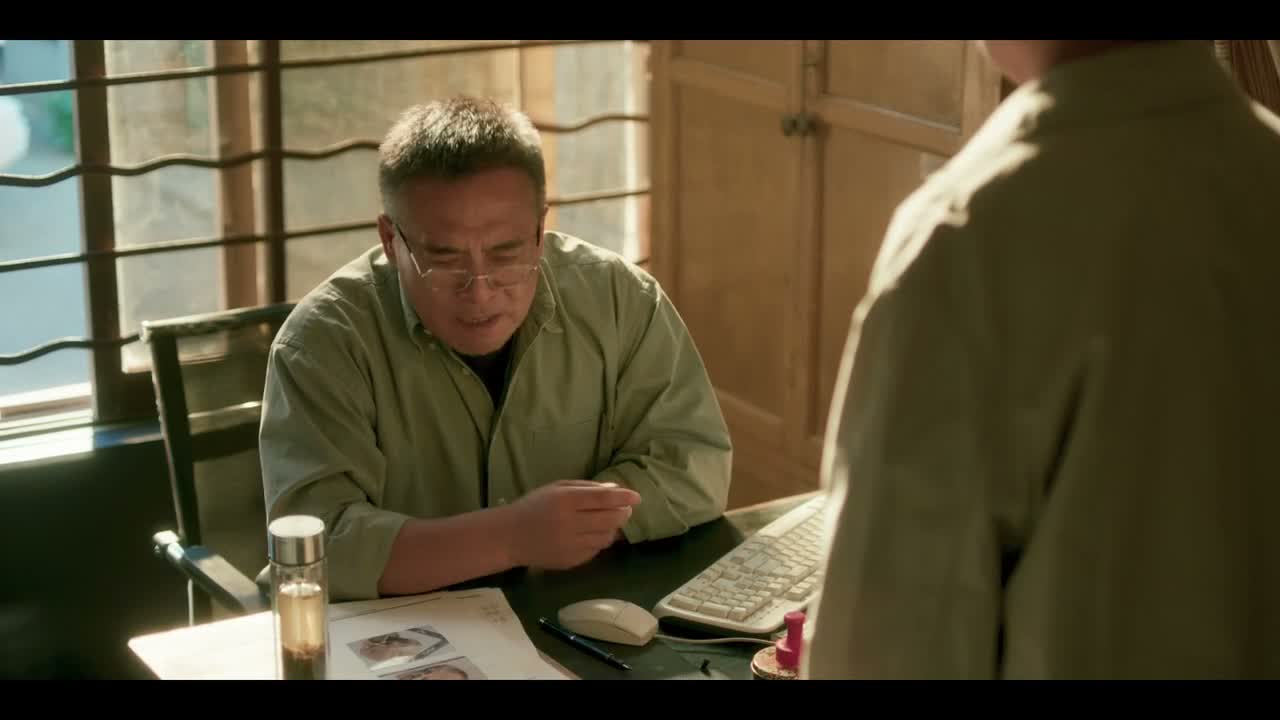
“You think one million yuan is too little, right?”
“You think this isn't embarrassing enough?”

“despite your position as founder.”