以前常听我母亲哼唱 听久了也就会了
“My mother used to hum it often. Over time, I learned it myself.”
THE DIALOGUE REEL
我也不知道是什么歌
“I don't know either.”
以前 常听我母亲哼唱 听久了也就会了
“My mother used to hum it often. Over time, I learned it myself.”
Direct spoken expression in this communicative setting.
Attributing one's talents or habits to maternal influence reflects filial reverence while maintaining modest social decorum in noble company.
LEARNING CHUNKS & PARTICLES
after listening for a long time
A common 'Verb + 久了' pattern used to indicate a state or skill acquired naturally through prolonged exposure.
naturally came to know how to do it
Use this phrase to downplay effort or formal study by stating a skill was picked up effortlessly over time.
Functions as a marker of state change, indicating the gradual transition from not knowing the song to knowing it.
VOCABULARY & EXPRESSIONS
Parallel Spoken Cinema Scenes (语义近邻切片)

“My mother always tells me this.”

“I've never heard my mom mention that.”
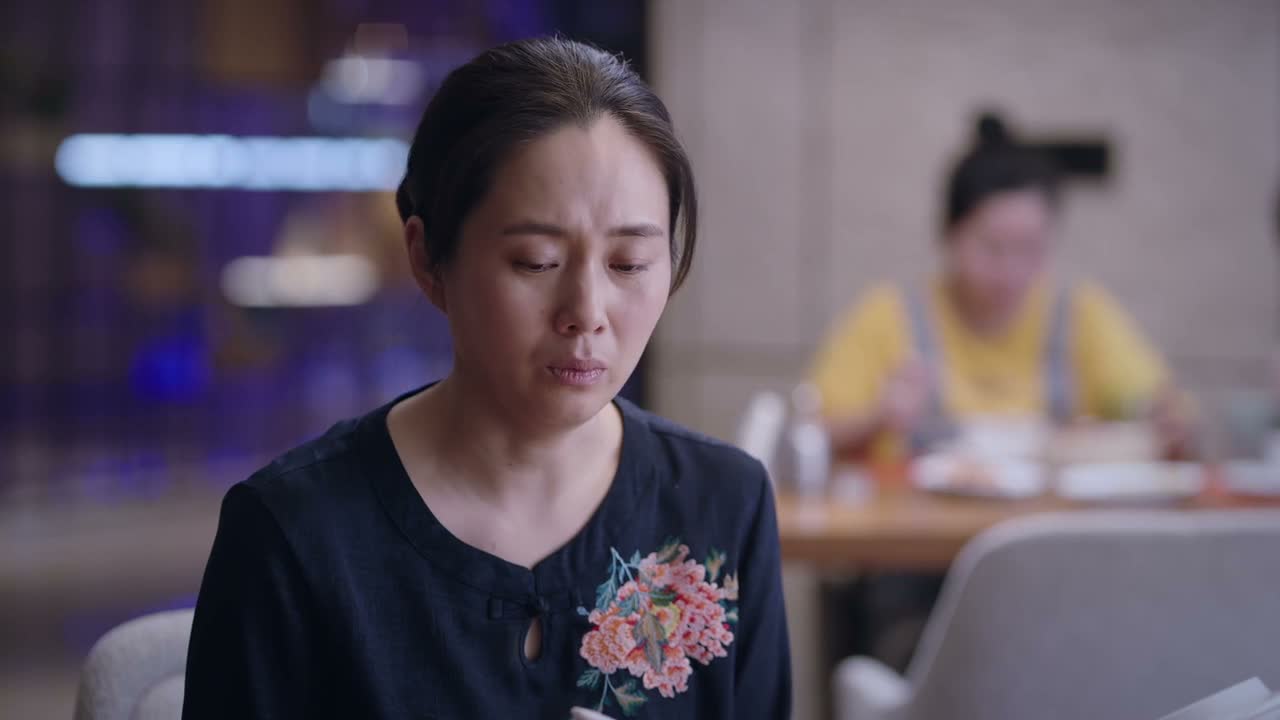
“I was right to listen to her.”

“I've heard you often hum this tune.”

“When I was little, I heard Grandma say”

“My mom mentioned something a while back.”