又何至于让修文堂兄身首异处
“Xiuwen would never die tragically.”
THE DIALOGUE REEL
何至于让他们破关而入 几城百姓流离失所
“How could they succeed? So many people became homeless.”
又何 至于 让修文堂兄 身首异处
“Xiuwen would never die tragically.”
堂兄莫要这样看朕
“Don't look at me like that.”
“His brutal death was completely preventable, and the guilt is unbearable.”
Traditional filial and cultural beliefs view preserving an intact corpse as essential; suffering decapitation was regarded as one of the most tragic and shameful fates possible.
LEARNING CHUNKS & PARTICLES
how could it come to this; why go so far as to
Used in formal or dramatic contexts to express that an unfortunate situation could and should have been avoided.
to be beheaded; to be decapitated
A formal idiom describing a violent death where the head is severed from the body, often used to emphasize extreme tragedy or brutal execution.
VOCABULARY & EXPRESSIONS
Parallel Spoken Cinema Scenes (语义近邻切片)
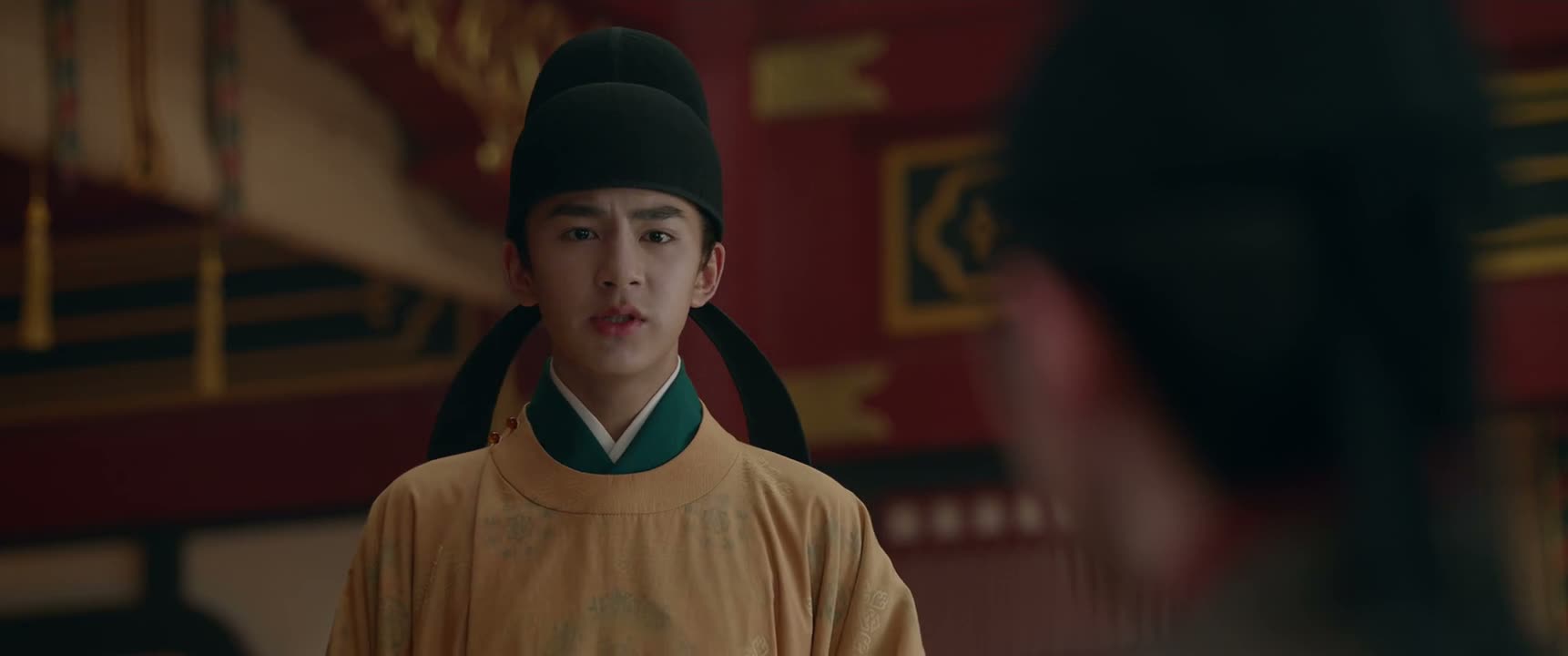
“How did Xiuwen die?”

“Wen Chengye clearly cares a lot about you,”

“Wen Chengye had a deeply unhappy childhood.”

“Wen Chengye really cares about that "why."”

“or because Wen Chengye is replacing Fu Xinshu, so you feel uncomfortable?”

“Wen Yuxiu still had such tenacious vitality.”