你会设局攻略邻居 结果自己吓到自己吗
“Would you plot against your neighbor, ♪ With every part of you ♪ only to end up scaring yourself?”
THE DIALOGUE REEL
你会为了打赌作弊 让学生帮你完成运动指标吗
“♪ In silent gravity ♪ Would you cheat on a bet by having your students help you meet your exercise targets? ♪ Heal my heart ♪”
你会 设局 攻略邻居 结果 自己吓到自己 吗
“Would you plot against your neighbor, ♪ With every part of you ♪ only to end up scaring yourself?”
你会图个乐呵 结果来蹭邻居家的洗衣机吗
“Would you do something just for laughs, ♪ Our words flow ♪ then end up using your neighbor's washing machine?”
“You think you're clever, but your crazy plans always backfire and make you look like a fool.”
Playful sparring involving rapid-fire parallel rhetorical questions is a classic form of teasing among close friends or playful rivals in Chinese popular culture.
LEARNING CHUNKS & PARTICLES
to set a trap; to plot a scheme
Can refer to serious scams or, in colloquial contexts, elaborate social maneuvers and schemes.
to target and win over; to conquer
Originally from gaming walkthroughs, widely used in modern slang for wooing romantic interests or befriending people strategically.
as a result; turns out
Used as an adverb or conjunction to introduce an unexpected or unintended outcome.
Forms a polar question that rhetorically challenges the listener.
VOCABULARY & EXPRESSIONS
Parallel Spoken Cinema Scenes (语义近邻切片)
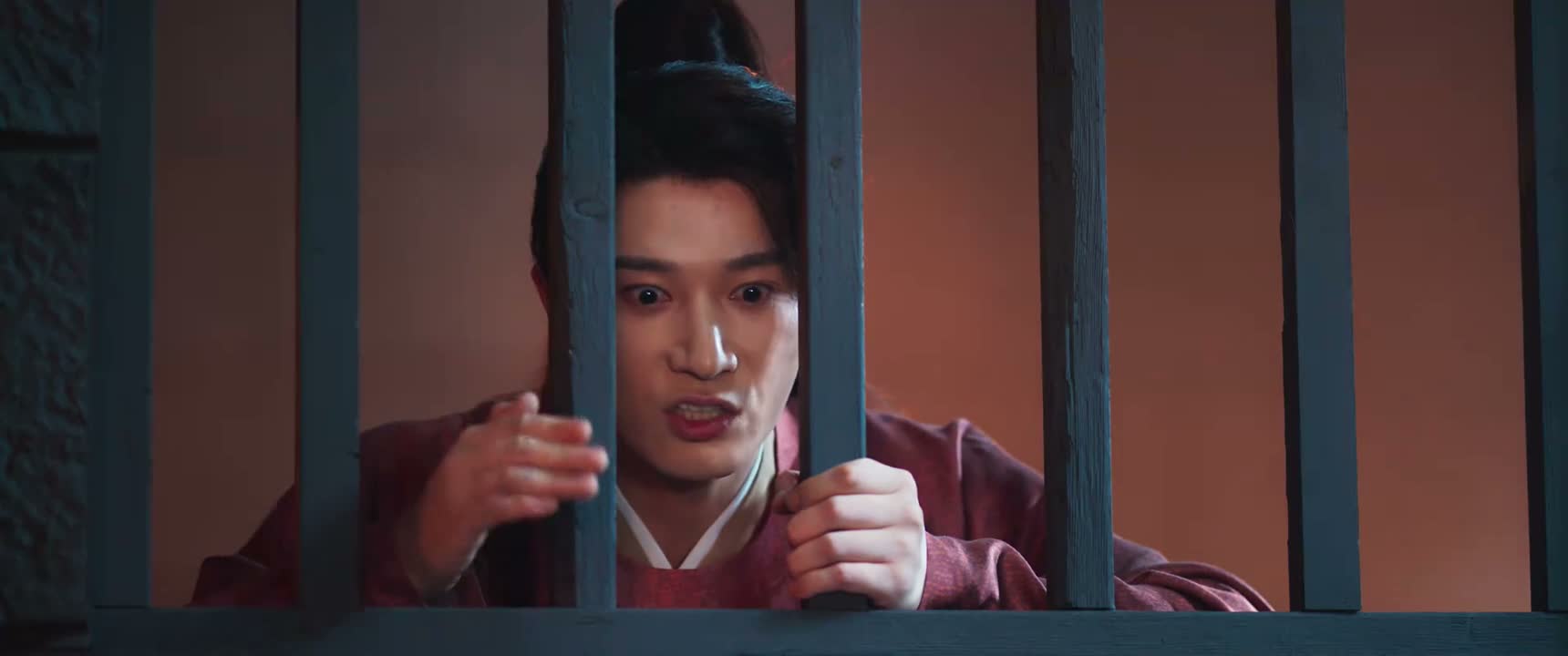
“to set up such an intricate plot,”

“I think he should give us some privacy.”

“The neighbors would know something's off.”

“Did we wake the neighbors? Go take a look.”

“is a trap intentionally set by someone?”
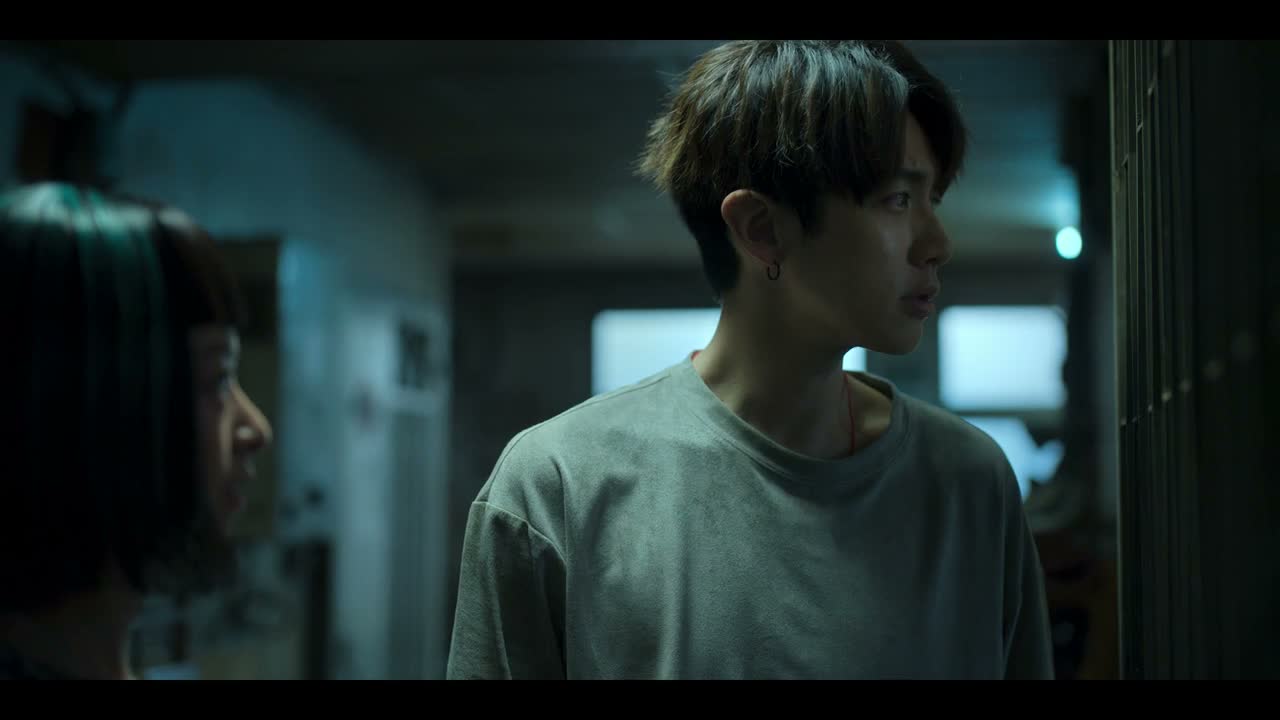
“There are many female ghosts.”