你干啥呢 住手
“What are you doing? Stop!”
THE DIALOGUE REEL
要不我不要这房子了
“I'll just give up the house.”
你干啥呢 住手
“What are you doing? Stop!”
丁主任来了
“Director Ding is here.”
Direct spoken expression in this communicative setting.
Using abrupt imperatives like '住手' signals an authoritative or urgent intervention to prevent escalating property damage or physical violence.
LEARNING CHUNKS & PARTICLES
What are you doing?
A colloquial, often Northern expression showing irritation, shock, or challenging someone's behavior.
stop / hands off
An imperative command specifically telling someone to stop using their hands or halt physical action immediately.
Marks an ongoing action in an interrogative sentence while conveying urgency and annoyance.
VOCABULARY & EXPRESSIONS
Parallel Spoken Cinema Scenes (语义近邻切片)

“What are you doing? Turn around.”

“What are you doing? Are you crazy?”
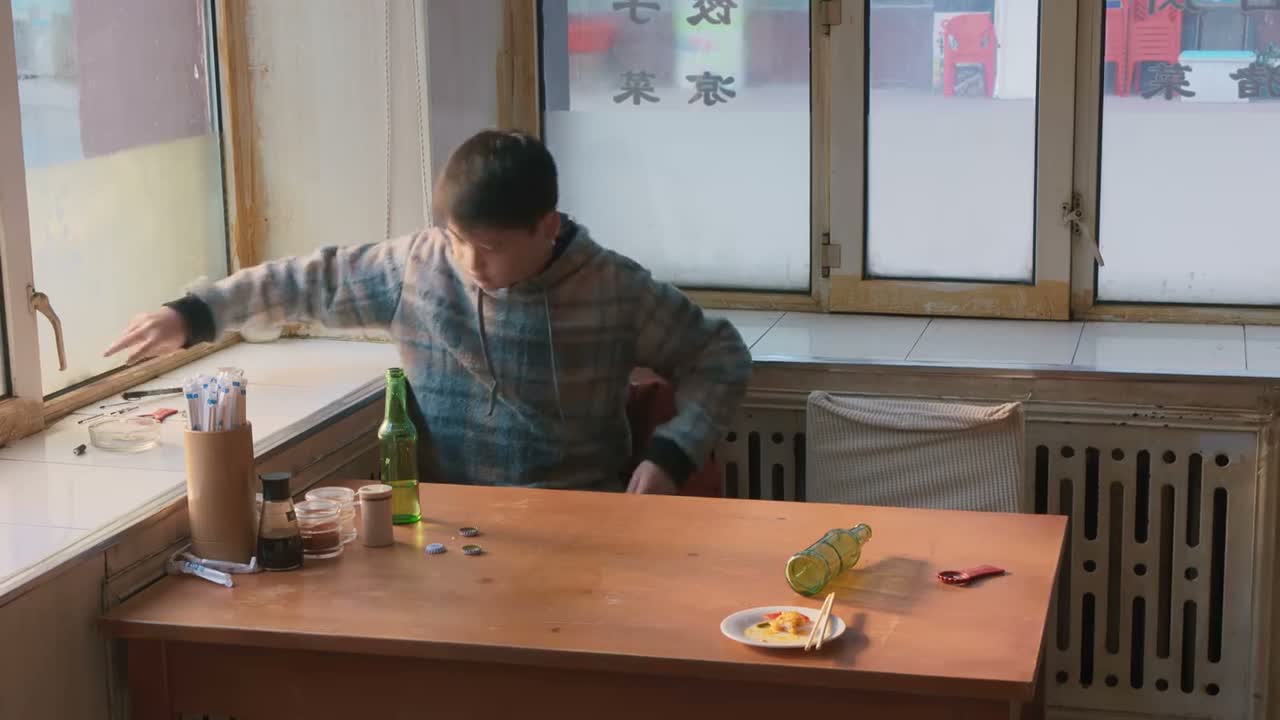
“What are you doing? Coming. Hurry up!”
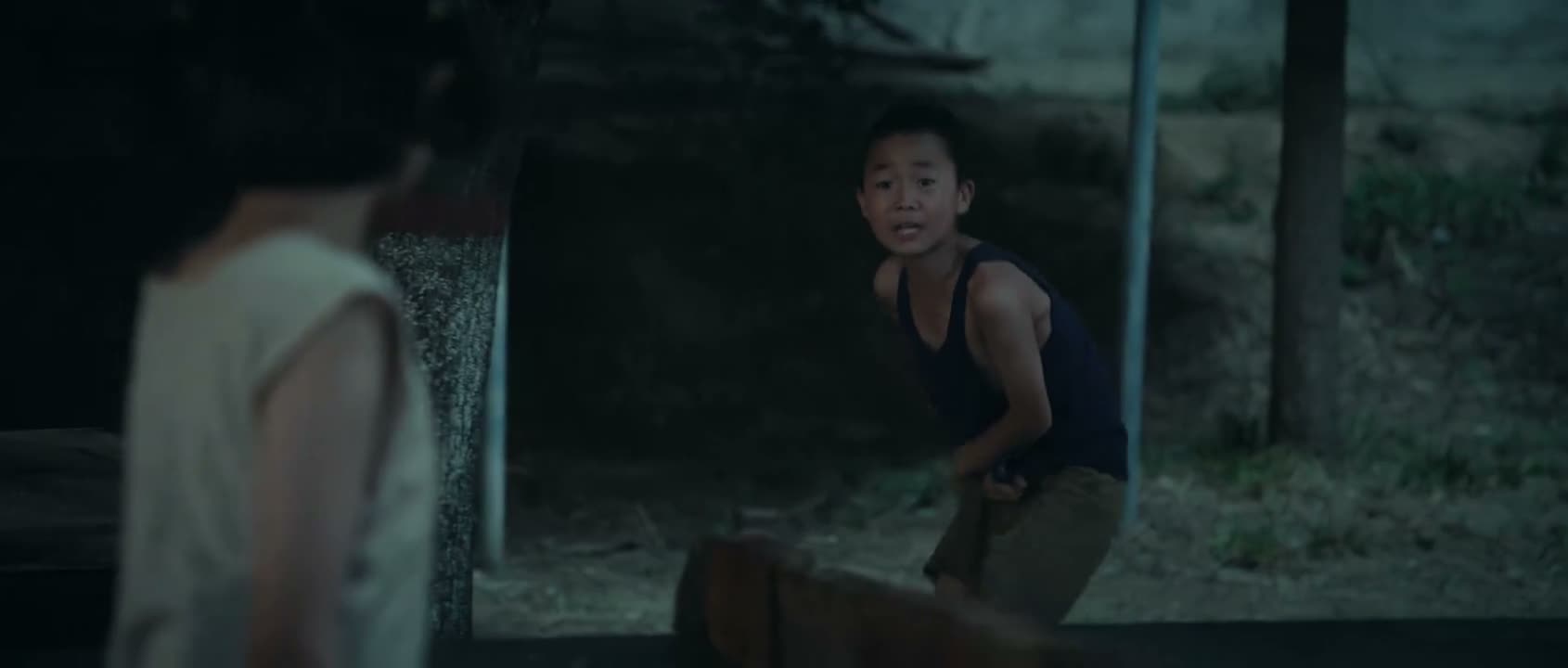
“What? You scared me.”
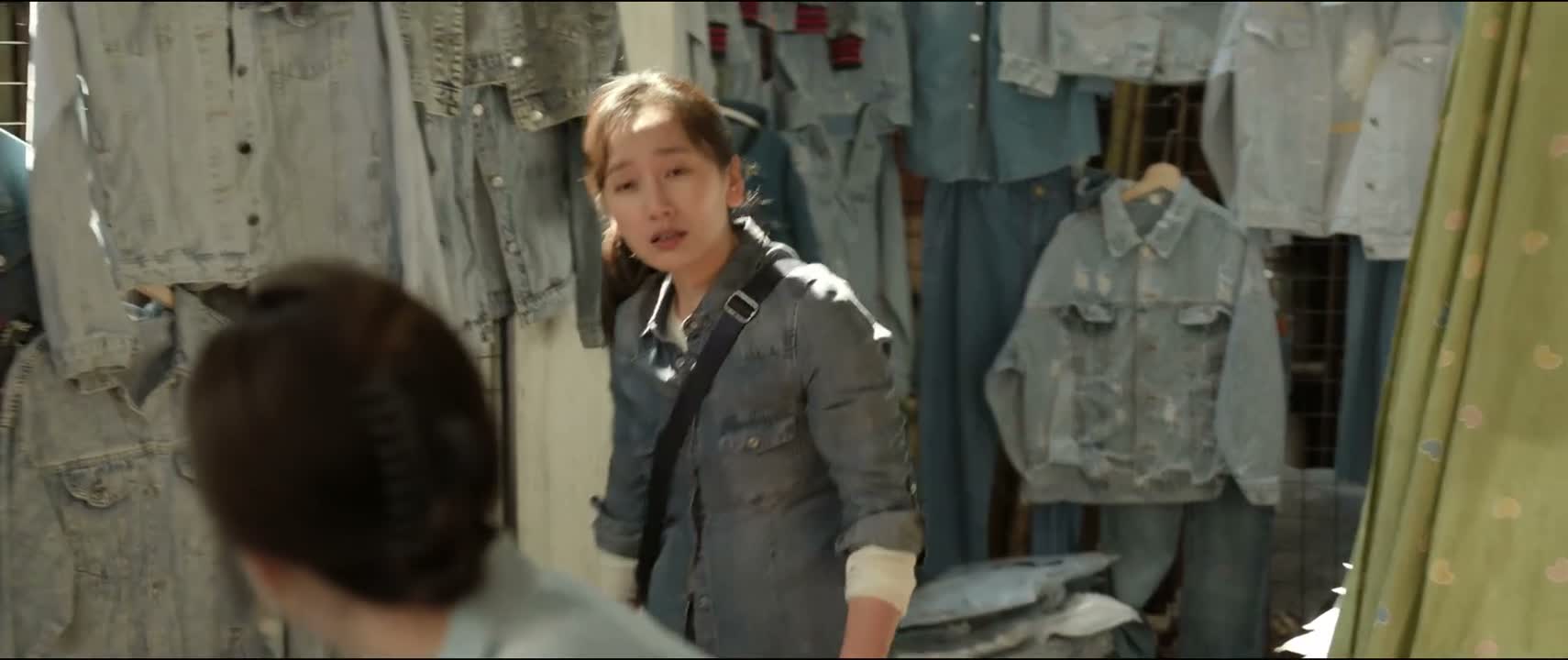
“Why are you so distracted?”

“What's wrong? Weren't you supposed to leave with Xiaoming?”