你干啥呢 你不是要跟小名一块走吗
“What's wrong? Weren't you supposed to leave with Xiaoming?”
THE DIALOGUE REEL
柏庶
“Bai Shu!”
你干啥呢 你 不是 要跟 小名 一块走 吗
“What's wrong? Weren't you supposed to leave with Xiaoming?”
“She'd waited for you and almost missed the train.”
“What on earth are you doing lingering around here when you should already be on your way?”
In Chinese culture, being late or disrupting a shared arrangement directly inconveniences the partner, making public reproach from peers or elders swift and direct.
LEARNING CHUNKS & PARTICLES
what are you doing?
A very common Northern Chinese spoken expression expressing surprise, confusion, or mild reproach.
to leave together / travel together
Colloquial phrasing for departing or traveling as a pair or group.
Marks an open, pressing question with a tone of impatient inquiry.
Turns the negative statement into a rhetorical question to demand accountability.
VOCABULARY & EXPRESSIONS
Parallel Spoken Cinema Scenes (语义近邻切片)
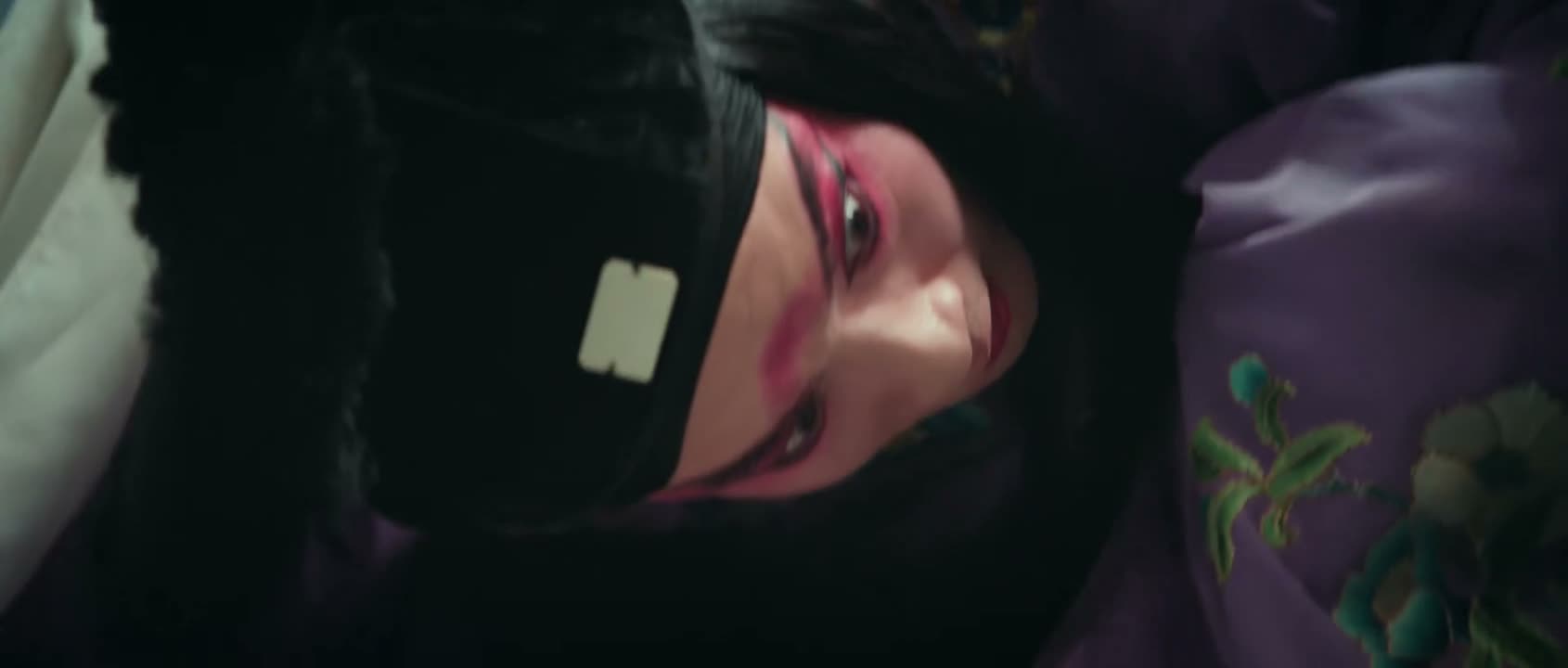
“What are you doing? Are you crazy?”

“What are you doing? Turn around.”
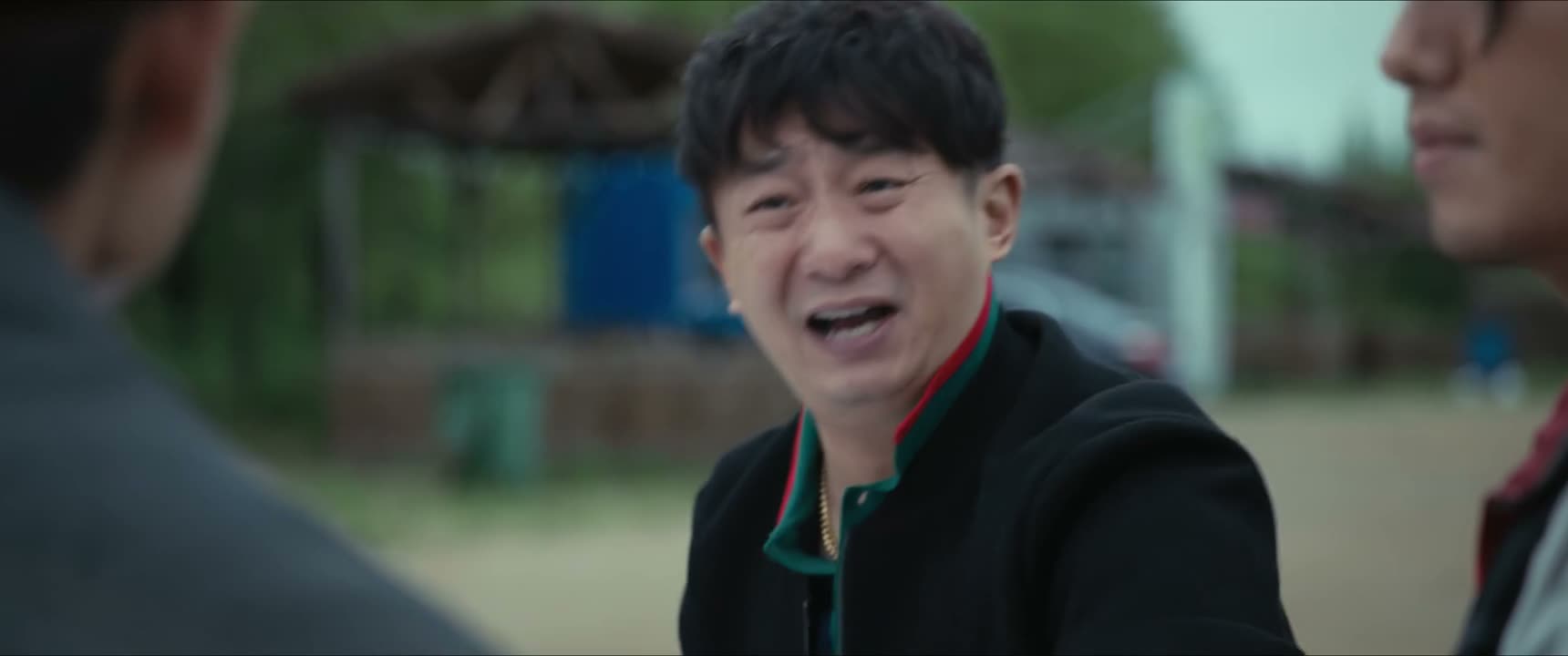
“What are you doing? You...”
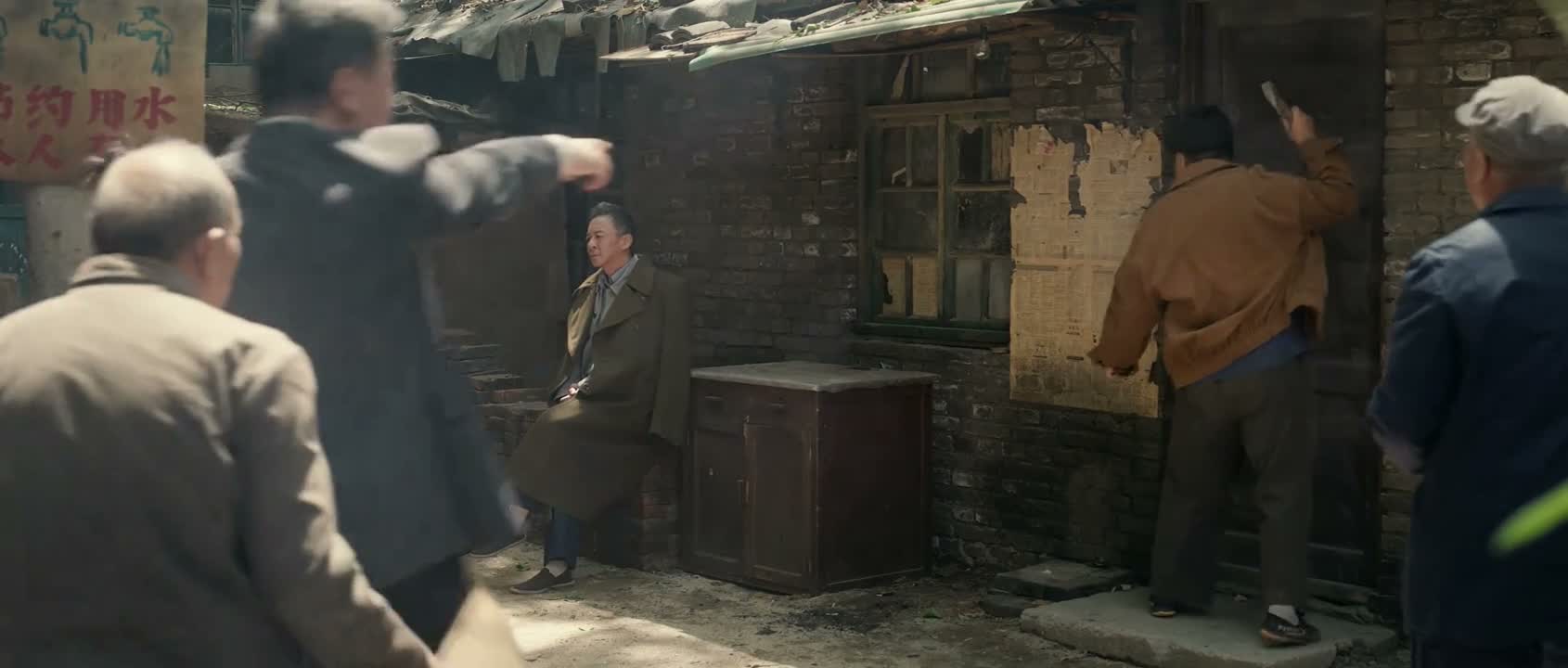
“What are you doing? Stop!”
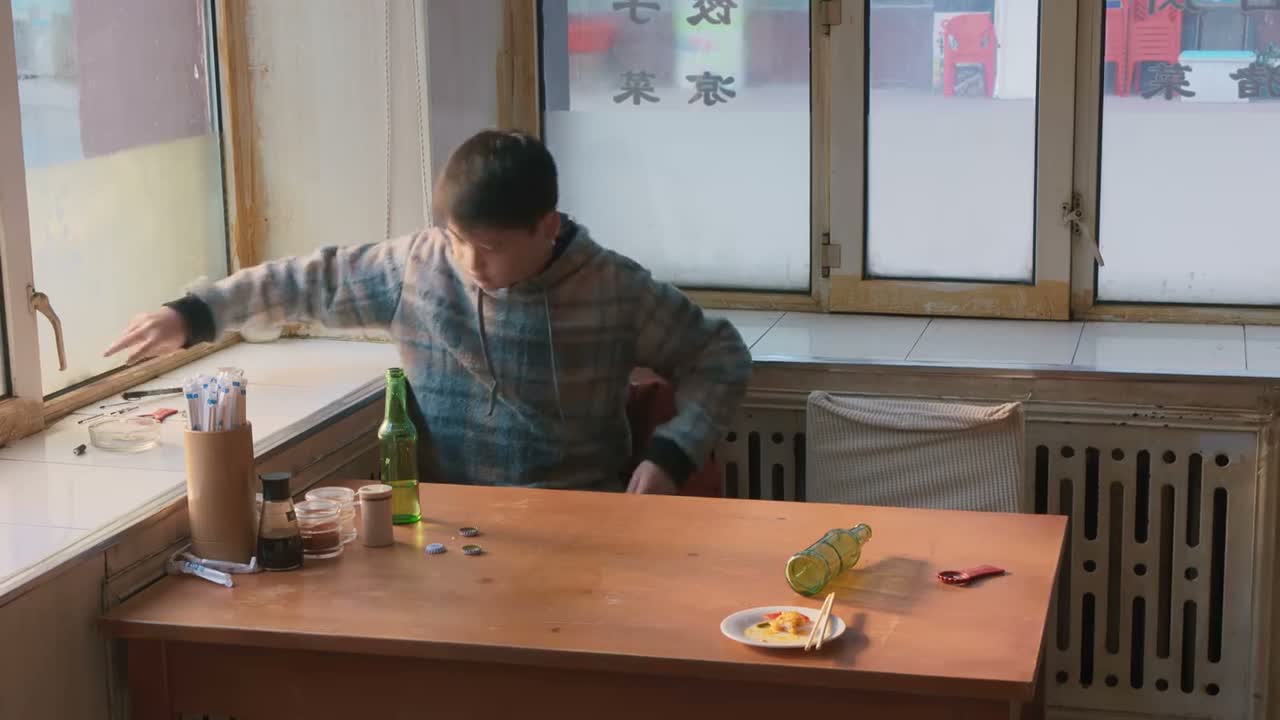
“What are you doing? Coming. Hurry up!”

“What are you doing? What are you doing? What are you doing?”