MC
MandarinClips Cinema Corpus
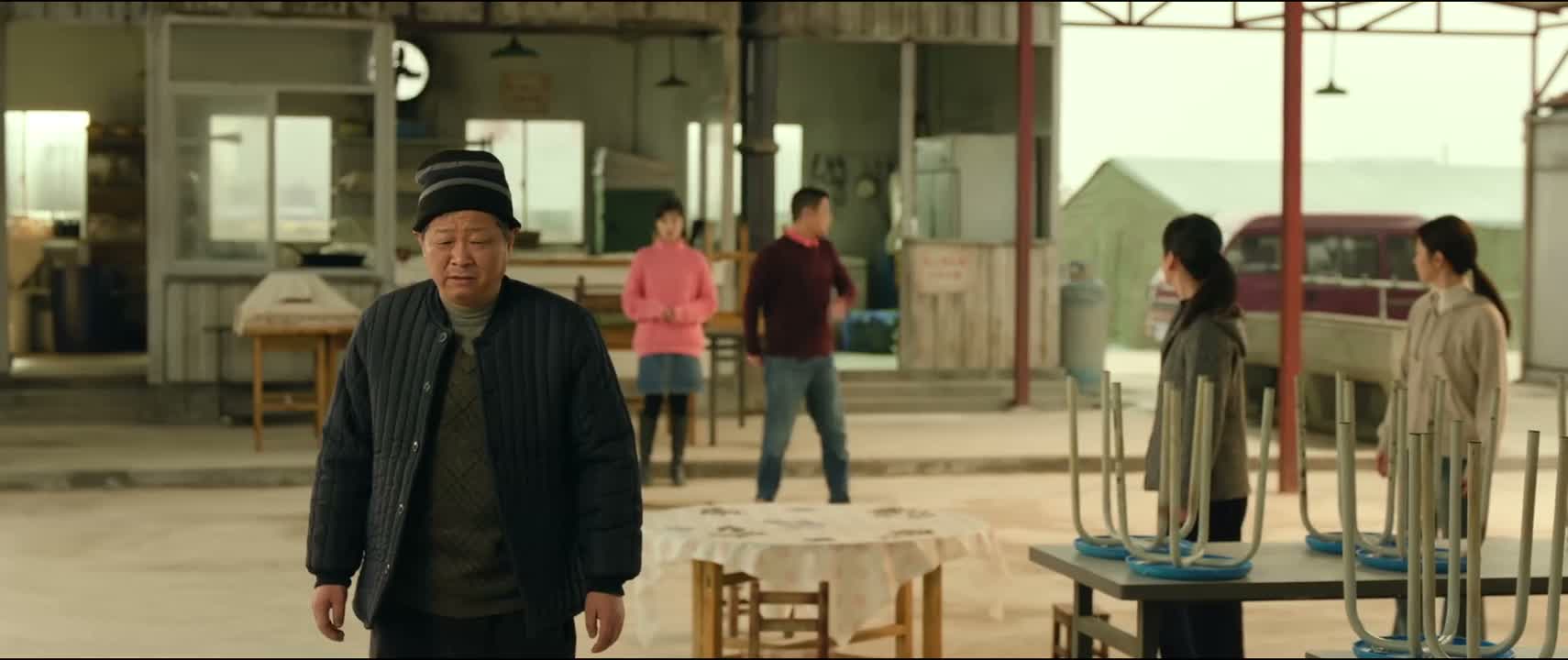
《Light to the Night》 S1·E27 (41:17) HSK 4
bú shì shuō le yào děng nián dǐ ma ? zěn me le ?

不是说了要等年底吗?怎么了?

“Didn't I say end of the year? What's wrong?”

《Light to the Night》 S1·E27
TIMECODE: 41:17 · 1080P MASTER AUDIO

THE DIALOGUE REEL

1+1+1 SPOKEN CONTINUITY
[-1] PREVIOUS TURN xìng yáo de shén me shí hòu huí guó ?

“When is Yao coming back?”

bú shì shuō le yào děng nián dǐ ma ? zěn me le ? CURRENT FOCUS

不是说了 要 等 年底 吗 ? 怎么了 ?

“Didn't I say end of the year? What's wrong?”

[+1] FOLLOW-UP TURN jiě jiě wǒ men de jiā jiàn hǎo le nǐ xiǎng bù xiǎng gēn wǒ yì qǐ qù kàn kàn ?

姐姐 我们的家建好了 你想不想跟我一起去看看?

“Sister, our home is ready. Do you want to go see it with me?”

Subtitles synced to millisecond timecode Browse Show Clips →
Scene: Social & Dating
Function: QUESTIONING
Tone: INQUISITIVE
Emotion: SUSPICION
WHAT THEY REALLY MEAN (PRAGMATIC SUBTEXT)
“Why are you bringing this up now when we agreed it was months away?”
💡 Cultural Insight: Rhetorical Questioning for Reminder (反问提醒)

Chinese speakers often frame reminders as rhetorical negative questions ('不是说了……吗') to express mild bewilderment.

INTENT TAGS: #questioning #probing #concern #clarification
🧩

LEARNING CHUNKS & PARTICLES

2 CHUNKS · 2 PARTICLES
不是说了 SPOKEN CHUNK

wasn't it said / didn't we agree

A rhetorical phrase used to remind the listener of a previous agreement or established fact.

怎么了 SPOKEN CHUNK

what's wrong / what happened

The most common everyday phrase to ask about sudden changes or emotional distress.

Modal Particle「吗」 (ma) CHANGE OF STATE

Turns the negative statement into a rhetorical question to prompt confirmation.

Modal Particle「了」 (le) CHANGE OF STATE

Indicates a new situation or unforeseen development that prompts the speaker's inquiry.
🏮

VOCABULARY & EXPRESSIONS

2 EXPR · 4 GRAMMAR
CROSS-CINEMA CORPUS BOARD · PARALLEL SCENES

Parallel Spoken Cinema Scenes (语义近邻切片)

EXPLORE BY SEMANTIC SIMILARITY
《Light to the Night》 S1·E27 (41:17) · Authentic Cinema Dialogue Corpus