《Lady Liberty》 S1·E13 (40:47)
HSK 2
wǒ bú shì rén a nǐ jiù shì gè chù sheng wǒ shì chù sheng
我不是人啊 你就是个畜生 我是畜生
“I'm not human? You're a beast! I'm a beast?”
《Lady Liberty》
S1·E13
TIMECODE: 40:47
·
1080P MASTER AUDIO
THE DIALOGUE REEL
[-1] PREVIOUS TURN
wǒ jiù dòng le zěn me le nǐ shì rén ma
“I'll touch them, so what? Are you even human?”
wǒ bú shì rén a nǐ jiù shì gè chù sheng wǒ shì chù sheng
CURRENT FOCUS
我不是人 啊 你就是 个 畜生 我是畜生
“I'm not human? You're a beast! I'm a beast?”
[+1] FOLLOW-UP TURN
chù sheng dōu bǐ nǐ yào liǎn
畜生都比你要脸
“Even a beast has more dignity than you.”
Subtitles synced to millisecond timecode
Browse Show Clips →
Scene:
Crisis & Conflict
Function:
RETALIATING
Tone:
PROVOCATIVE
Emotion:
RAGE
WHAT THEY REALLY MEAN (PRAGMATIC SUBTEXT)
“Call me whatever you want, I don't care—I will drag you down with me.”
💡 Cultural Insight: Dehumanization in Verbal Abuse
Calling someone non-human ('不是人') or a beast ('畜生') is among the gravest moral insults in Chinese, as Confucian morality places utmost importance on maintaining human propriety ('人伦').
INTENT TAGS:
#provocation
#insulting
#defiance
#escalation
🧩
2 CHUNKS · 1 PARTICLES
LEARNING CHUNKS & PARTICLES
不是人
SPOKEN CHUNK
inhumane or monstrous
A severe personal insult used in extreme conflicts to accuse someone of lacking basic human decency.
畜生
SPOKEN CHUNK
beast or animal
A highly offensive curse word used to dehumanize an opponent during intense fights.
Modal Particle「啊」 (a)
CHANGE OF STATE
Adds a sharp rhetorical, sarcastic edge to the interrogative sentence.
🏮
4 EXPR · 2 GRAMMAR
VOCABULARY & EXPRESSIONS
COLLOQUIAL EXPRESSIONS:
CROSS-CINEMA CORPUS BOARD · PARALLEL SCENES
EXPLORE BY SEMANTIC SIMILARITY
Parallel Spoken Cinema Scenes (语义近邻切片)
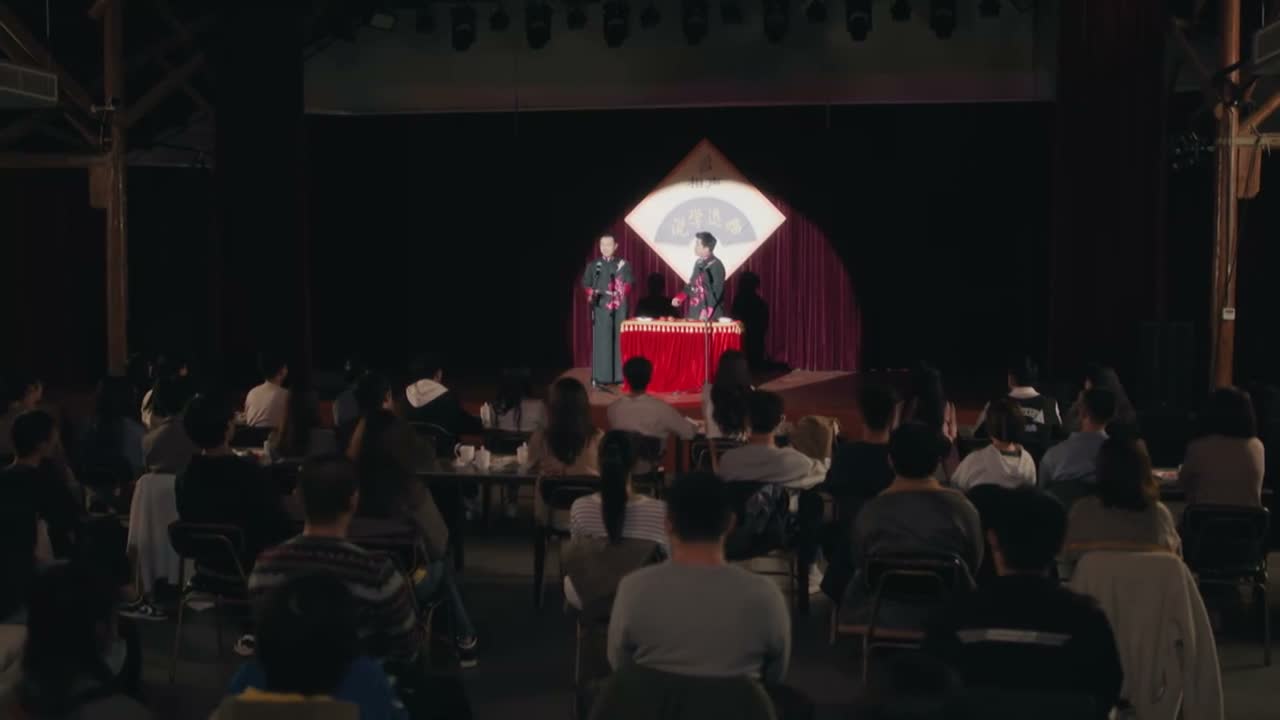
《Lady Liberty》 S1·E13 (40:47) · Authentic Cinema Dialogue Corpus