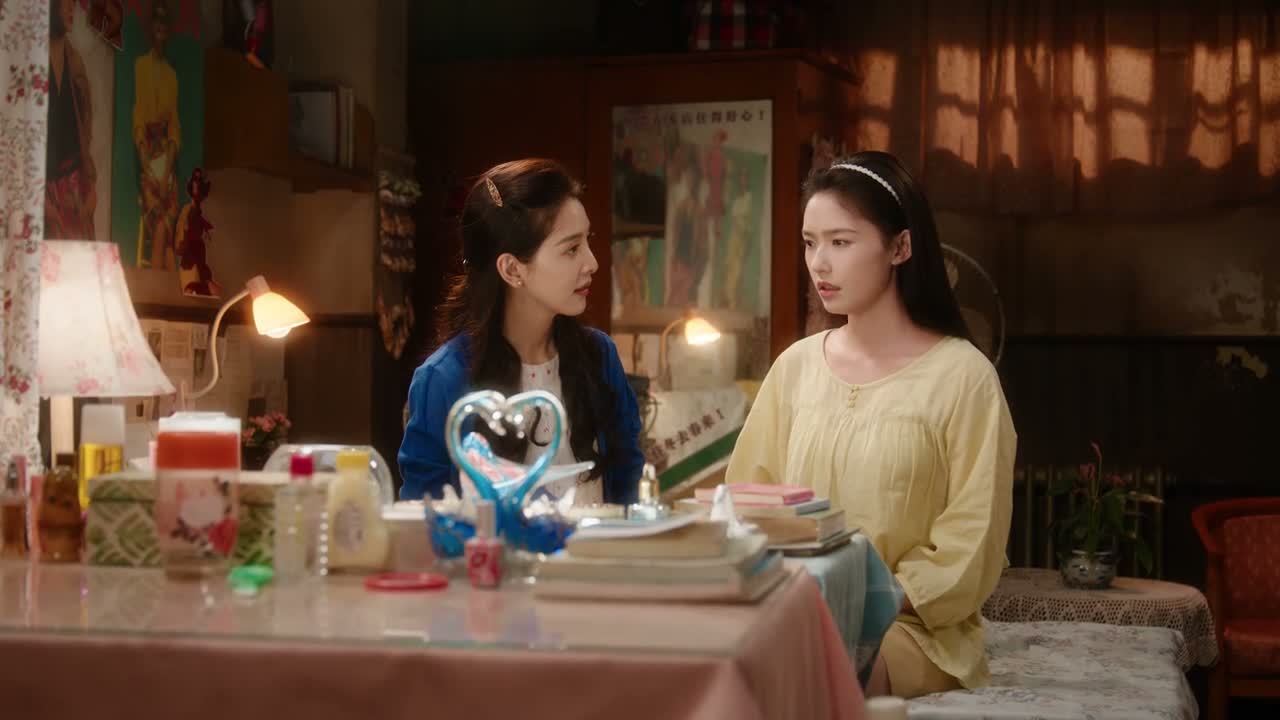
党导 你今儿咋没炒股了 咋了 亏了
“Director Dang, not trading stocks today? What's wrong? Did you lose money?”
THE DIALOGUE REEL
“You lack skill, so you blame the drum?”
党导 你 今儿 咋没 炒股 了 咋了 亏了
“Director Dang, not trading stocks today? What's wrong? Did you lose money?”
你懂股票吗
“What do you know about stocks?”
“I bet you took a beating in the market today since you're unusually quiet.”
In Chinese offices, retail stock trading is a ubiquitous topic of casual small talk where peers openly tease each other about daily market losses.
LEARNING CHUNKS & PARTICLES
to trade stocks
Everyday spoken Chinese term for playing the stock market.
what happened? / what's up?
A northern spoken contraction of '怎么了', very common in informal banter.
Indicates a change of state or marks the completed action of having lost money.
VOCABULARY & EXPRESSIONS
Parallel Spoken Cinema Scenes (语义近邻切片)

“He agreed at first, but then one of his shows blew up,”

“Director Zhuang and his team are honestly just too unreliable. I have decided”

“Director Ma, I'm sorry.”

“Director Zhuang and I don't have much to do, so we came to help out.”
“But who is Director Ma?”

“Why did you bring Director Feng here?”