你怎么回事啊 你不是跟我说
“What's wrong with you? Didn't you tell me”
THE DIALOGUE REEL
“Are they going to kill everyone on this ship?”
你 怎么回事啊 你 不是 跟 我说
“What's wrong with you? Didn't you tell me”
南安号比包恩号安全吗
“that the Nan'an was safer than the Bowne?”
“You lied to me or messed up badly, explain yourself now!”
While Chinese communicative style often favors indirectness, acute danger sweeps away polite deference, leading to sharp, direct cross-examination.
LEARNING CHUNKS & PARTICLES
what's going on, what happened
Extremely frequent everyday phrase used to demand an explanation or inquire about an unexpected problem.
didn't you tell me...
Used to confront someone when current reality contradicts what they previously promised or claimed.
Intensifies the accusatory and urgent tone of the query.
VOCABULARY & EXPRESSIONS
Parallel Spoken Cinema Scenes (语义近邻切片)

“What's the matter with you?”

“What's going on with you?”
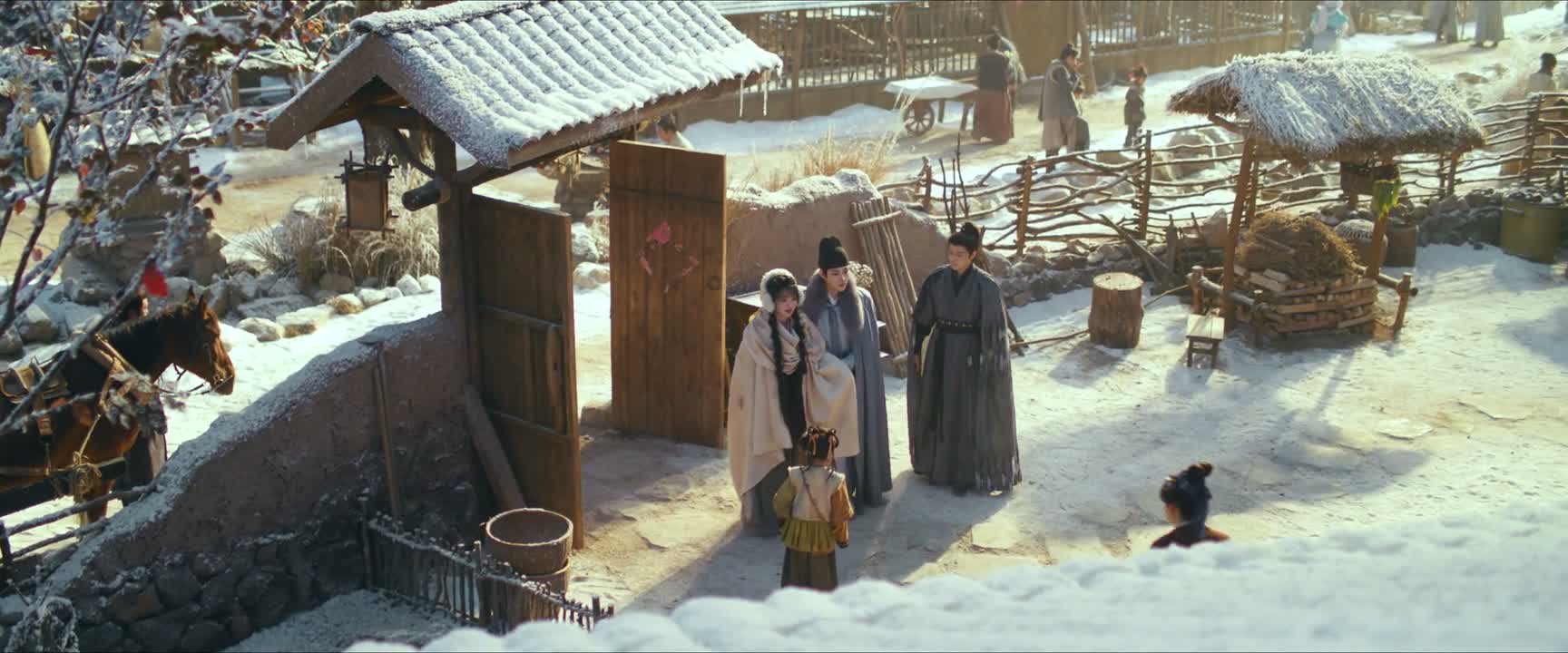
“What... what happened to you?”

“What's going on?”

“What's wrong with you?”

“What's gotten into you? You've never been like this.”