焦利军是感觉自个儿躲不过去了
“You're saying Jiao Lijun surrendered because he felt he couldn't escape?”
THE DIALOGUE REEL
那照您这么说
“You're saying Jiao Lijun surrendered because he felt he couldn't escape?”
焦利军是感觉自个儿躲不过去了
“You're saying Jiao Lijun surrendered because he felt he couldn't escape?”
才来自首的
“You're saying Jiao Lijun surrendered because he felt he couldn't escape?”
“He didn't surrender out of guilt; he was cornered and had no other choice.”
In Chinese legal culture, distinguishing between genuine moral remorse and passive surrender under pressure is critical for determining culpability and sentencing.
LEARNING CHUNKS & PARTICLES
oneself
An authentic Northern spoken variant of 自己, adding a casual, colloquial flavor to conversations.
unable to dodge or evade
A common potential complement used when facing inevitable consequences, trouble, or scrutiny.
Marks a change of state, indicating the realization that the situation has become inescapable.
VOCABULARY & EXPRESSIONS
Parallel Spoken Cinema Scenes (语义近邻切片)

“Jiao Lijun has surrendered.”
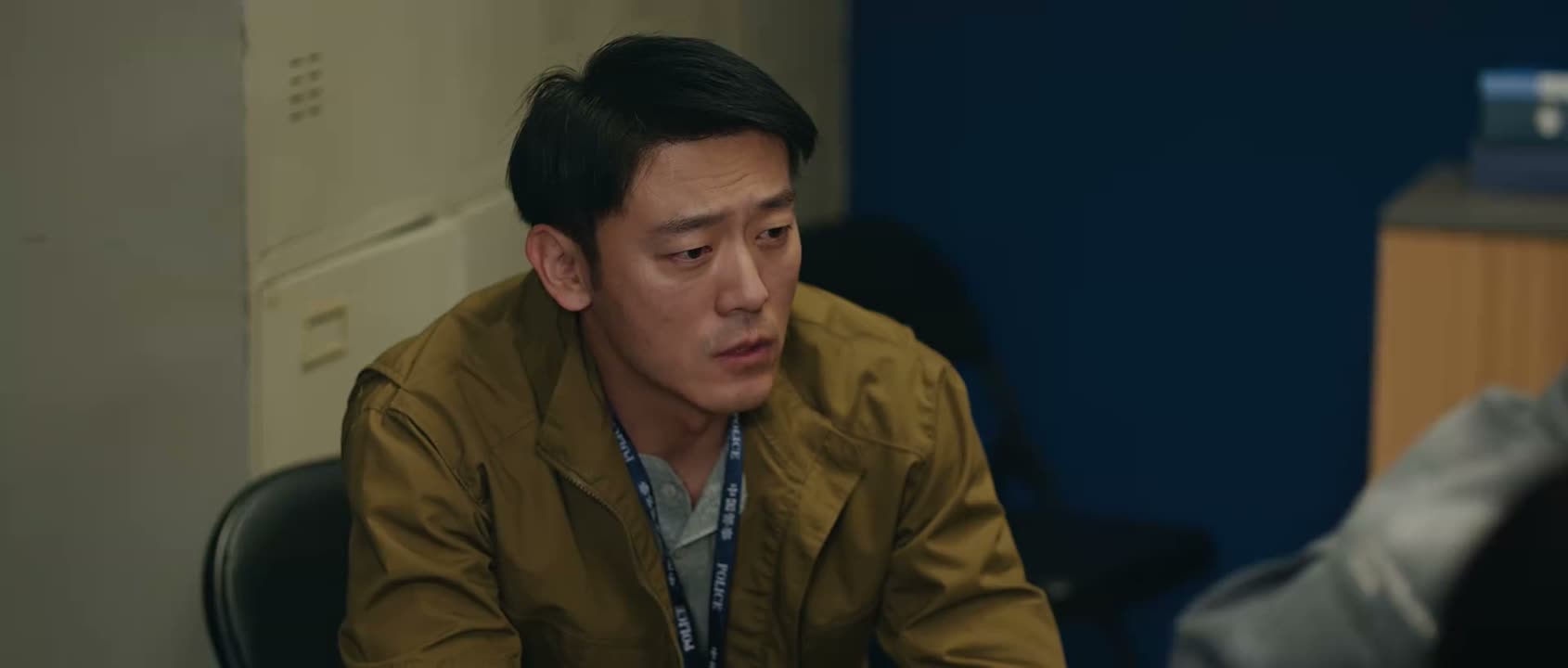
“You were the last person to see Jiao Lijun.”
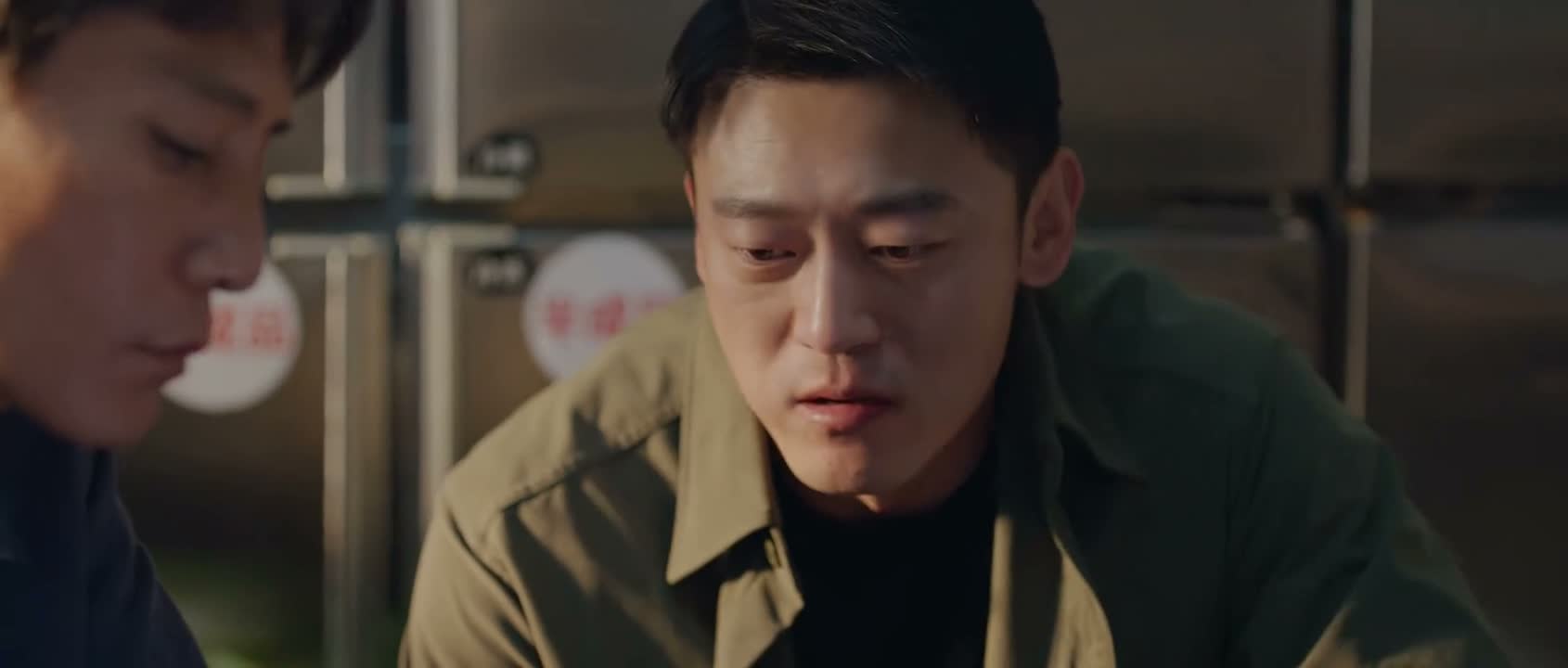
“Master, we finally caught Jiao Lijun.”

“my experience tells me Jiao Lijun”
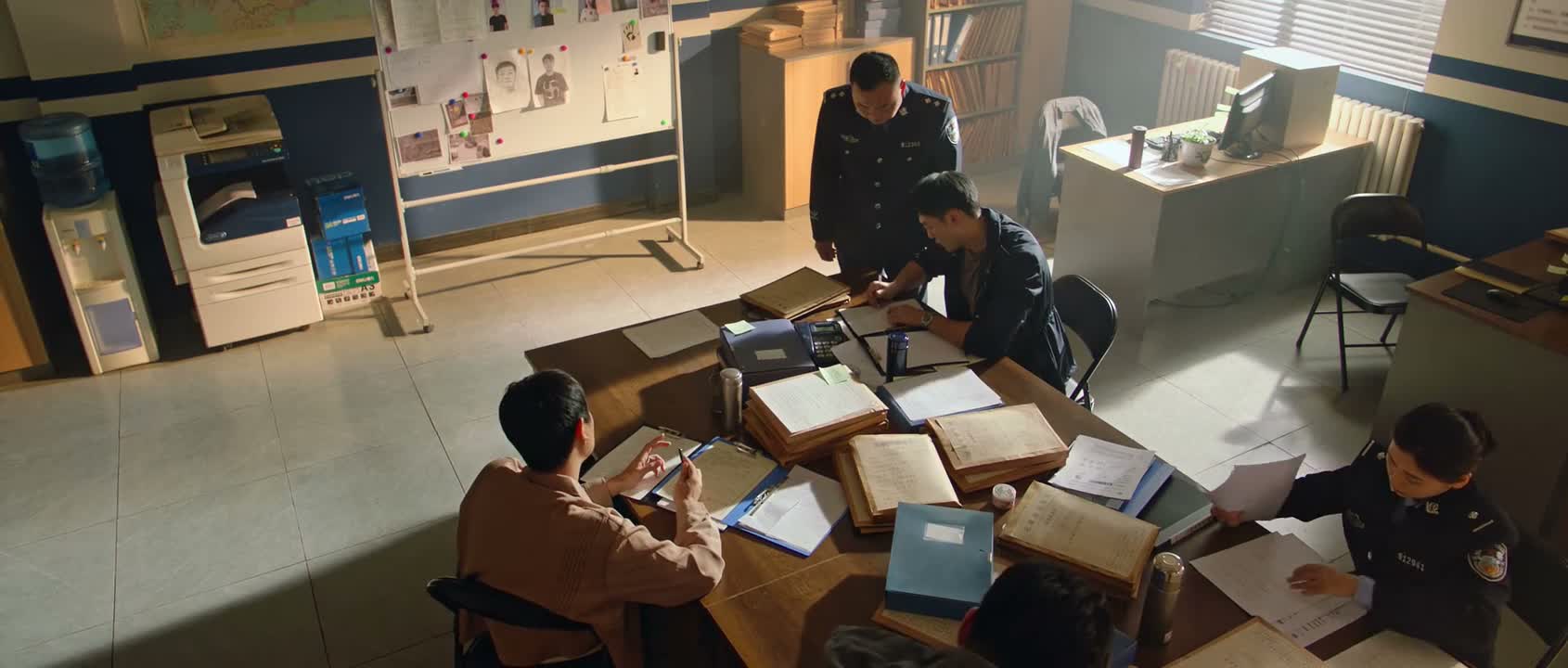
“Jiao Lijun suddenly showed up in public in Beiyan this morning”
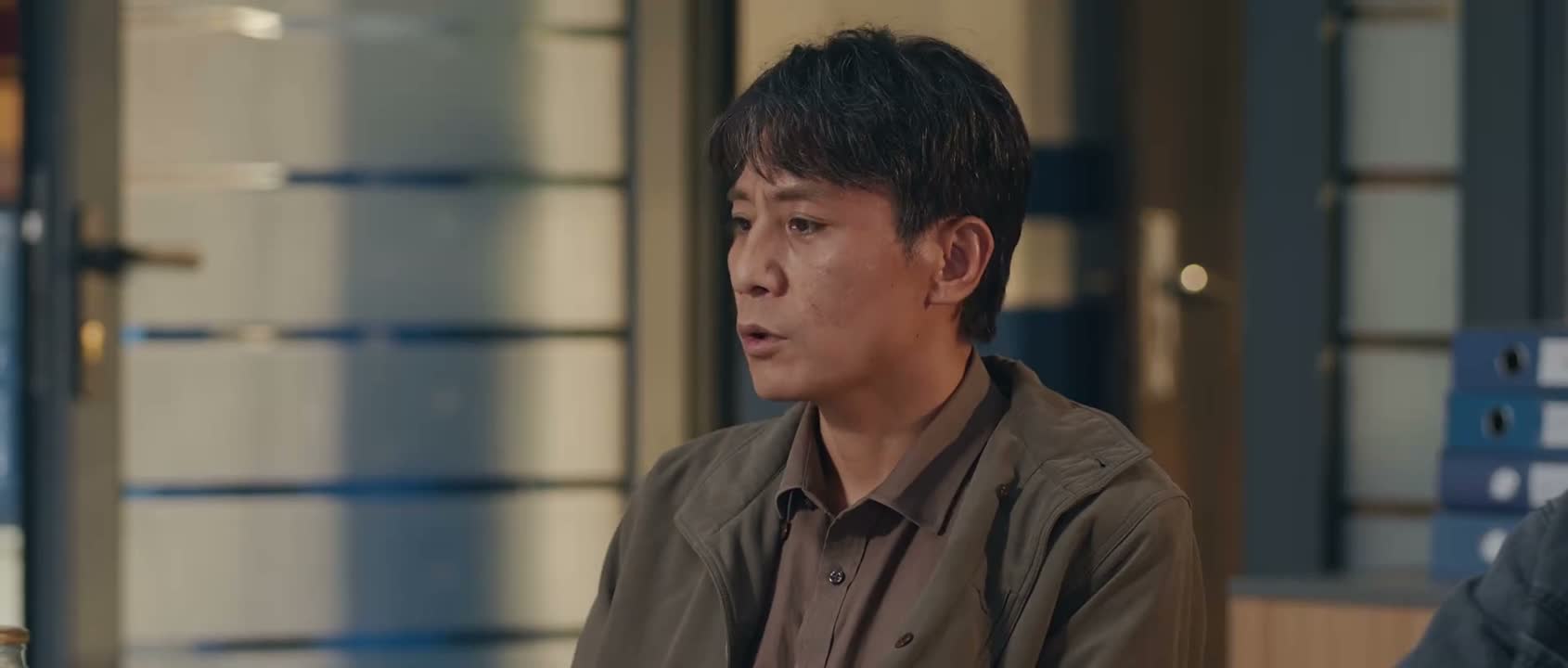
“A big shot like Jiao Lijun, with so much power and status,”