此言未免太过于草率了吧
“Isn't that a bit too hasty a judgment?”
THE DIALOGUE REEL
方才我做的墨 前辈都没有近身一看
“Just now, you didn't even take a close look at the ink I made.”
此言 未免太过 于 草率了 吧
“Isn't that a bit too hasty a judgment?”
你那漆烟古墨是好 再和墨 想法也有几分机灵
“Your ancient lacquer-soot ink is indeed good. Reprocessed ink— it shows some clever ideas.”
“You didn't even look closely at my work before dismissing it, which is completely unfair.”
When confronting a master or elder in Chinese tradition, dissent must be phrased via literary hedges like 'weimian' (rather) and soft final particles to show basic respect despite questioning authority.
LEARNING CHUNKS & PARTICLES
a bit too; rather overly
Used to express polite, restrained criticism or disagreement without being overtly aggressive.
these words; this statement
A formal written or archaic spoken phrase referring to what was just uttered.
Softens the counter-accusation into a rhetorical suggestion rather than a blunt insult.
VOCABULARY & EXPRESSIONS
Parallel Spoken Cinema Scenes (语义近邻切片)
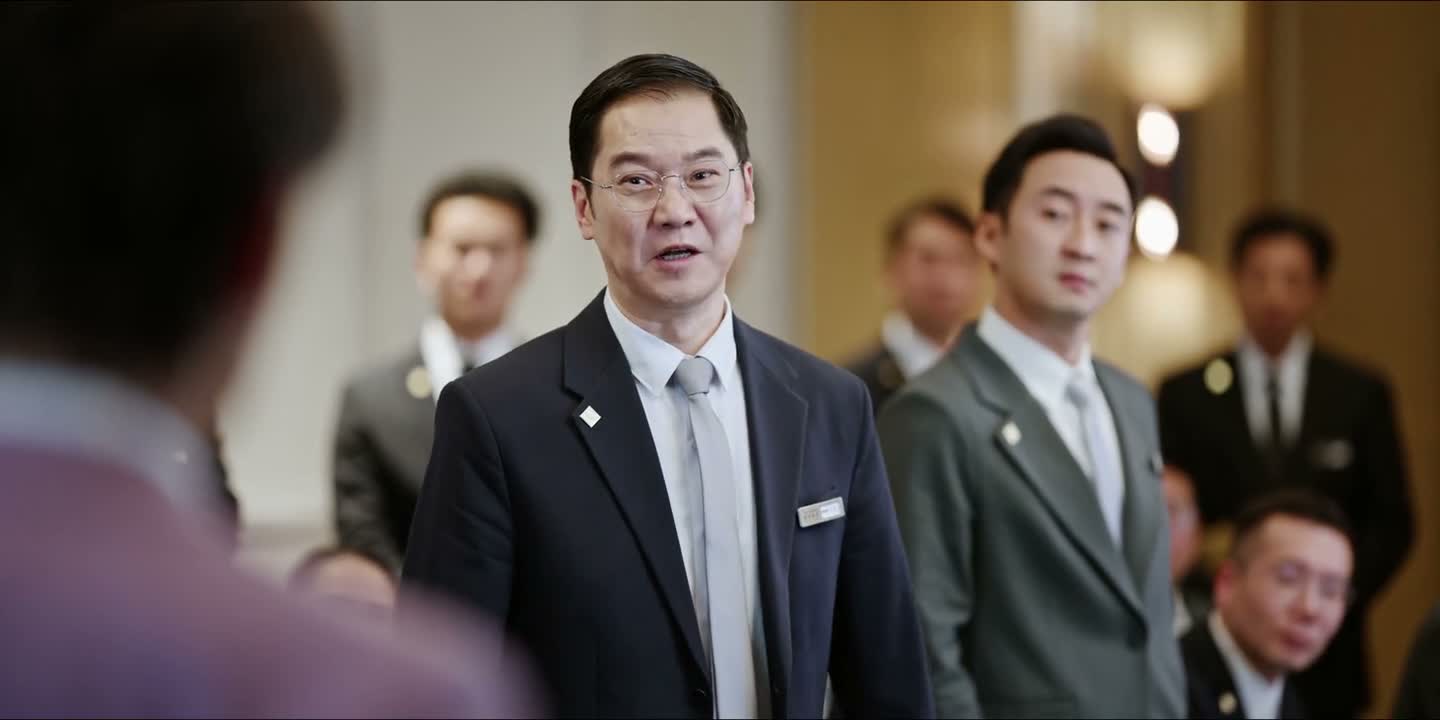
“Isn't that a bit too hasty?”
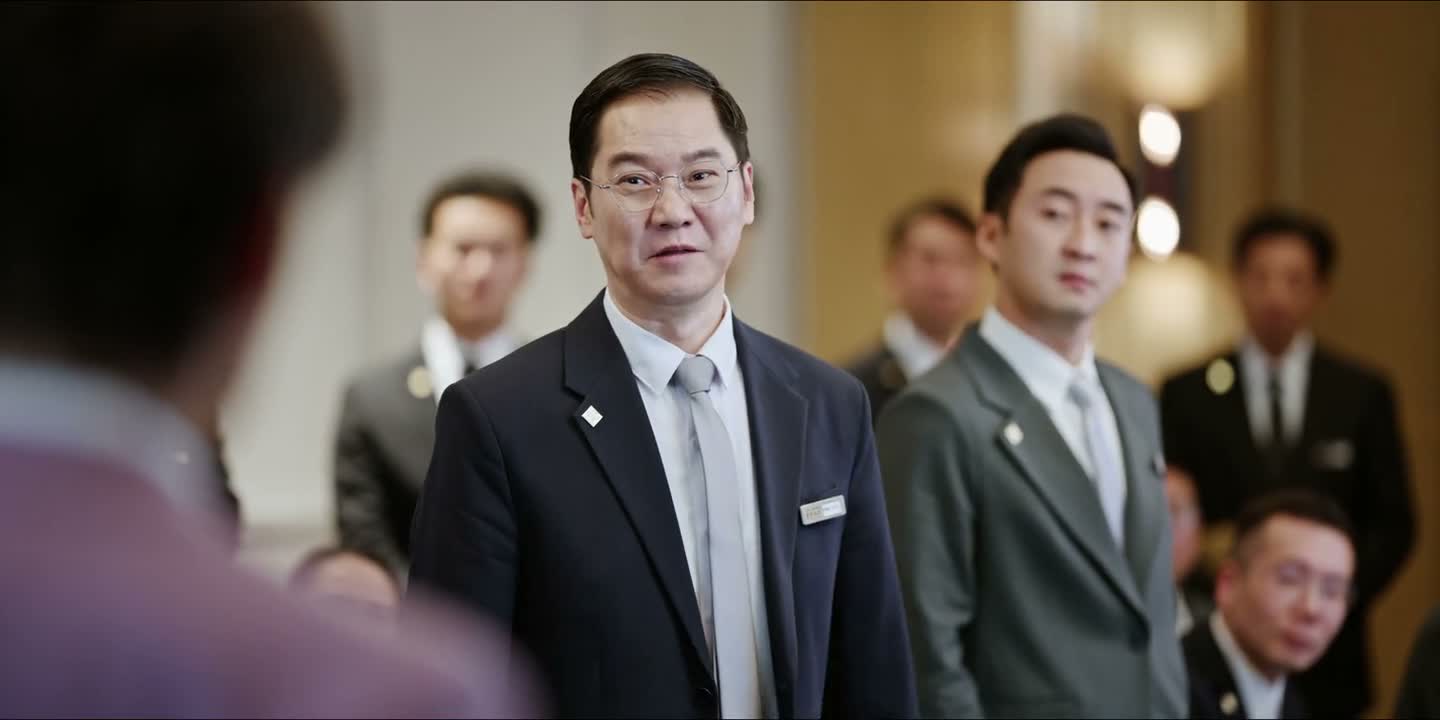
“isn't that a bit too hasty?”

“I beg to differ.”

“They're too much.”

“That's over the top.”

“Isn't that far too frivolous?”