你也知道我会怪你啊
“You know I would.”
THE DIALOGUE REEL
你不会怪我吧
“You don't blame me, do you?”
你也知道 我会 怪你 啊
“You know I would.”
黄瞎子 你就不该来这儿 你知不知道整个田府
“Huang, you shouldn't have come here. Do you know that the entire Tian Mansion”
“Don't pretend to be innocent—you did this knowing full well it would infuriate me.”
Pretending to ask 'are you mad?' when one knowingly crossed a line is considered hypocritical in Chinese discourse, prompting sharp sarcastic rebuttals.
LEARNING CHUNKS & PARTICLES
blame you; be mad at you
Standard conversational phrasing for holding someone responsible or holding a grudge.
Adds a sharp, rhetorical bite to emphasize sarcasm and disbelief.
VOCABULARY & EXPRESSIONS
Parallel Spoken Cinema Scenes (语义近邻切片)

“Do you think I will harm you?”
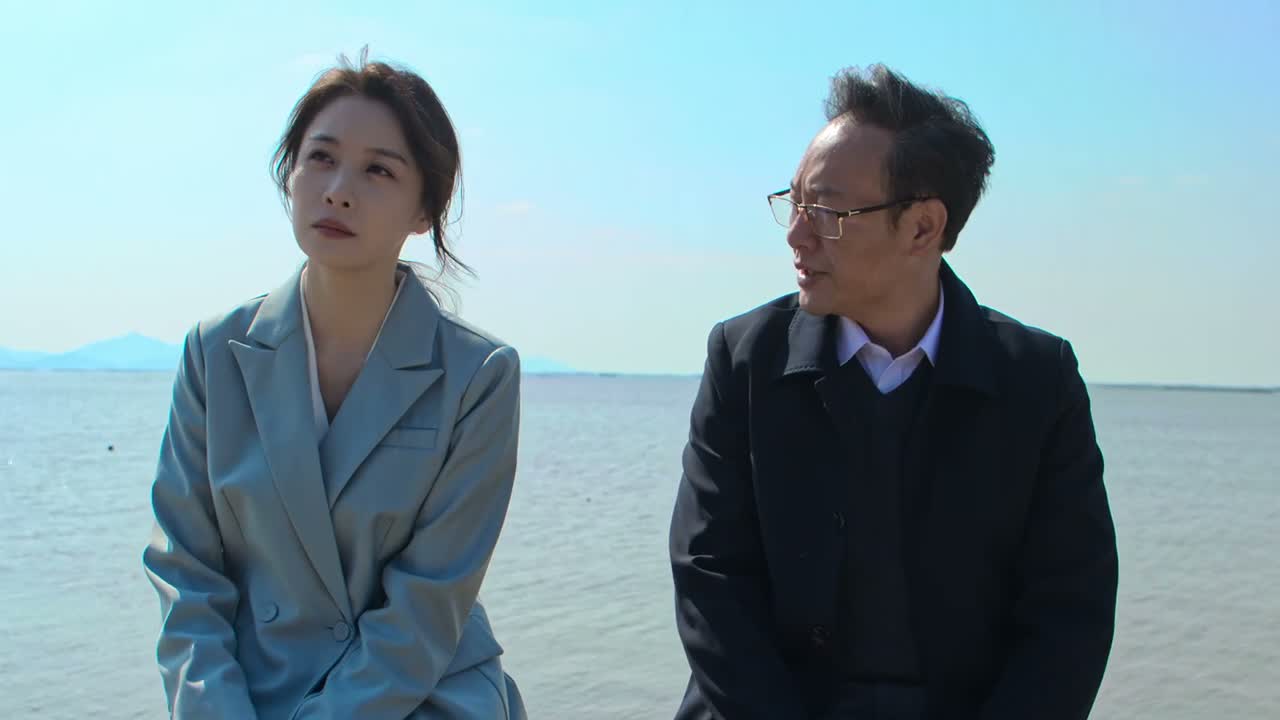
“Do you think I will harm you?”

“I know I shouldn't blame you.”
“I know you're trying to help. I'm not blaming you.”

“I'm not blaming you. I really am not. I don't blame you. I really don't blame you.”
“they will blame me later. Right?”