怪你
guài nǐCommon spoken expression used by native Chinese speakers in daily life.
[Scene: 社交聚会]
(16 clips)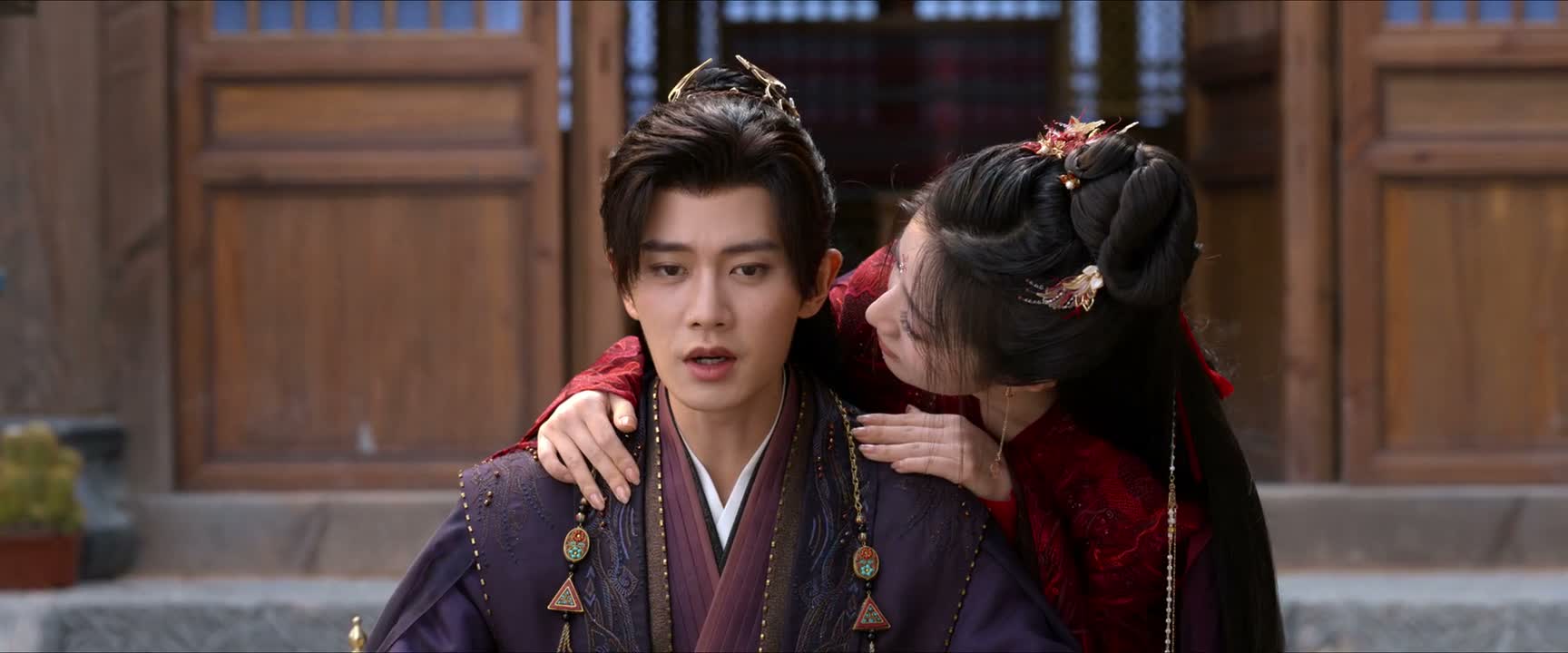 00:02
 00:02
 00:03
(那倒是不必了 殿下府中就有现成的 这要怪啊) ── Previous context
“Well, blame your Princess Consort. Her eyes are too sharp. She spotted me in an instant.”
 00:03
(♫你喜欢微笑♫ ♫逼着我撒娇♫) ── Previous context
“♫Look at you always spoiling me♫ Does it help?”
 00:02
 00:02
 00:03
(我们之前上次就是聊清楚了嘛 宝才是你带我去找的) ── Previous context
“I'm not blaming you. I really am not. I don't blame you. I really don't blame you.”
 00:03
(我今天给你出的建议还不错吧) ── Previous context
“It's all your fault. People kept staring at me in the factory all day.”
 00:02
 00:03
 00:02
(也许就是因为你什么都没做错) ── Previous context
“that you're going through all this. It's all your fault.”
 00:03
(她逼我 她逼我 不不不 没事 没事) ── Previous context
“It's fine, Xie. It's not your fault. I don't care.”
 00:02
 00:02
 00:03
(都怪我都怪我 是我乱说话了 不 你可别往心里去) ── Previous context
“- Don't overthink it. - How could it be your fault? The expectations of your parents are already low enough.”
 00:02
[Scene: 家庭日常]
(9 clips) 00:02
 00:02
 00:03
(就这样吧 为了这一点小事要吵半天) ── Previous context
“I'll go wash up outside. I didn't blame you. I...”
 00:03
(我妈找你们要钱了) ── Previous context
“The money should be repaid. You can't blame your mom.”
 00:02
 00:02
 00:02
 00:03
 00:03
[Scene: 其他场景]
(7 clips) 00:02
 00:03
(后宅鸡犬不宁 儿女不学无术 你身为主母) ── Previous context
“had you been even halfway competent, I won't blame you.”
 00:02
(是你选择出卖自己的身体和灵魂 你要怪谁呀) ── Previous context
“You can only blame yourself for being weak,”
 00:03
(会吞噬一切) ── Previous context
“But you can't be blamed for this. Luckily, you had dumb luck,”
 00:03
(一年前的事情 我就不跟你计较了) ── Previous context
“I'm taking him with me. If you want to blame someone, blame Lai for being useless.”
 00:02
 00:02
(家暴这件事情是绝对错的) ── Previous context
“It has nothing to do with you. This is not your fault.”
[Scene: 其他场景]
(4 clips) 00:03
(你没事吧 好疼啊 疼死了 我也不知道它会掉下来) ── Previous context
“Stop talking. It's all your fault. My bottom hurts terribly. Put me down now.”
 00:02
 00:02
 00:02
[Scene: 历史宫廷]
(3 clips) 00:02
 00:02
 00:02
[Scene: 餐饮美食]
(1 clips) 00:02
📌 没事
→Nuance: 安慰对方非其过错,意图一致
📌 知道吗
→Nuance: 同为安慰劝慰,委婉表达不会怪罪
📌 不许
→Nuance: 同向近义词根配对: [耍赖 ↔ 耍无赖]
📌 不知道
→Nuance: 同为安慰劝慰,委婉表达不会怪罪
📌 怎么舍得
→Nuance: 同属舍不得惩罚的包容表达
📌 命不好
→Nuance: 归因于自身性格而非宿命
📌 命不好
→Nuance: 核心归咎于对方,意图一致