我还不能来看看了
“but I can't come to visit?”
THE DIALOGUE REEL
你到底想干什么 怎么了 你能照顾旅长家人
“What on earth do you want to do? What's wrong? You can take care of the brigade commander's family,”
我 还不 能 来看看 了
“but I can't come to visit?”
“They are catching Anti-Japanese elements all over Shanghai now. Are you here to visit the Master,”
“Back off, you have no right to question why I am here.”
In Chinese conflict discourse, countering an interrogation with a rhetorical question is a common strategy to seize psychological initiative and invalidate the accuser's stance.
LEARNING CHUNKS & PARTICLES
am I not even allowed to...
Used in rhetorical questions to protest someone's unreasonable suspicion or restriction.
come and visit / have a look
A reduplicated verb structure used to downplay the seriousness of a visit.
Functions rhetorically at the end of the clause to express indignant protest or finality.
VOCABULARY & EXPRESSIONS
Parallel Spoken Cinema Scenes (语义近邻切片)
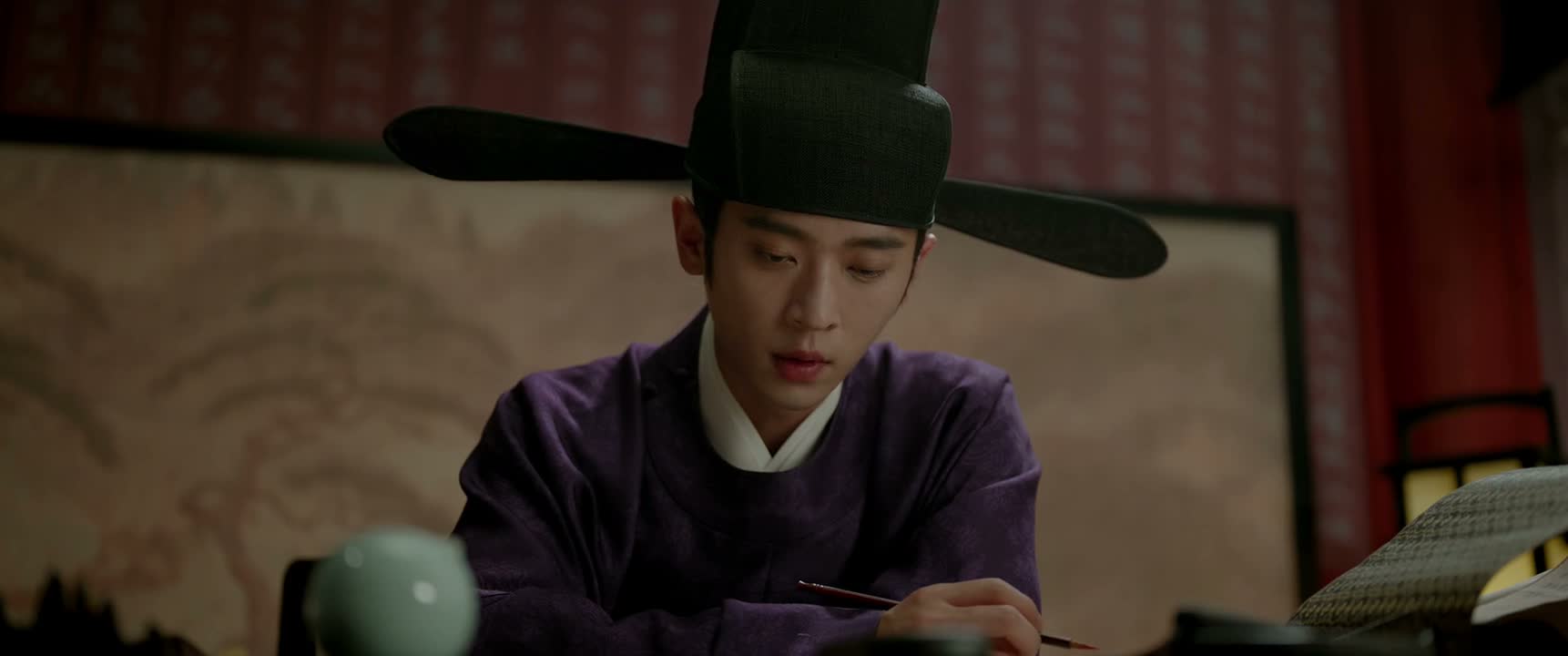
“I won't. I still have official duties.”

“no one can see me anymore,”
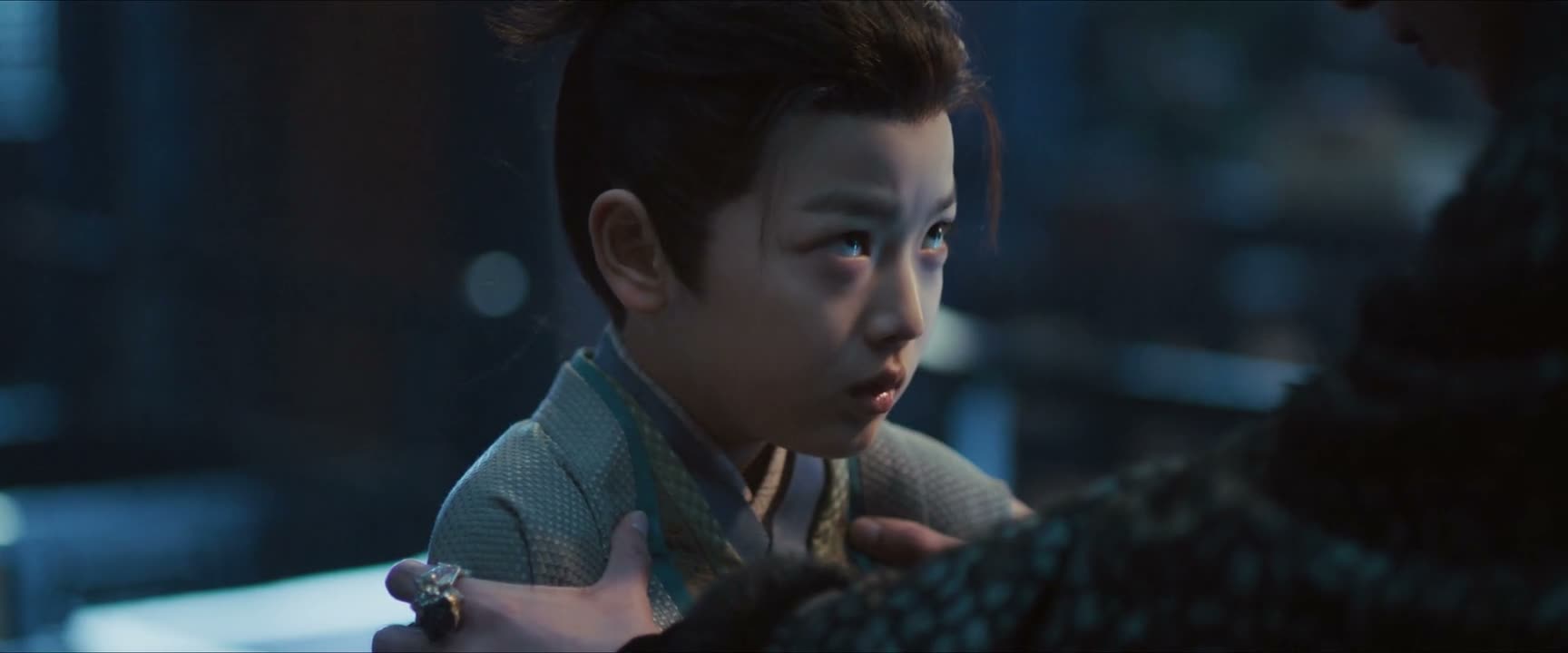
“so he can't come to see us often.”
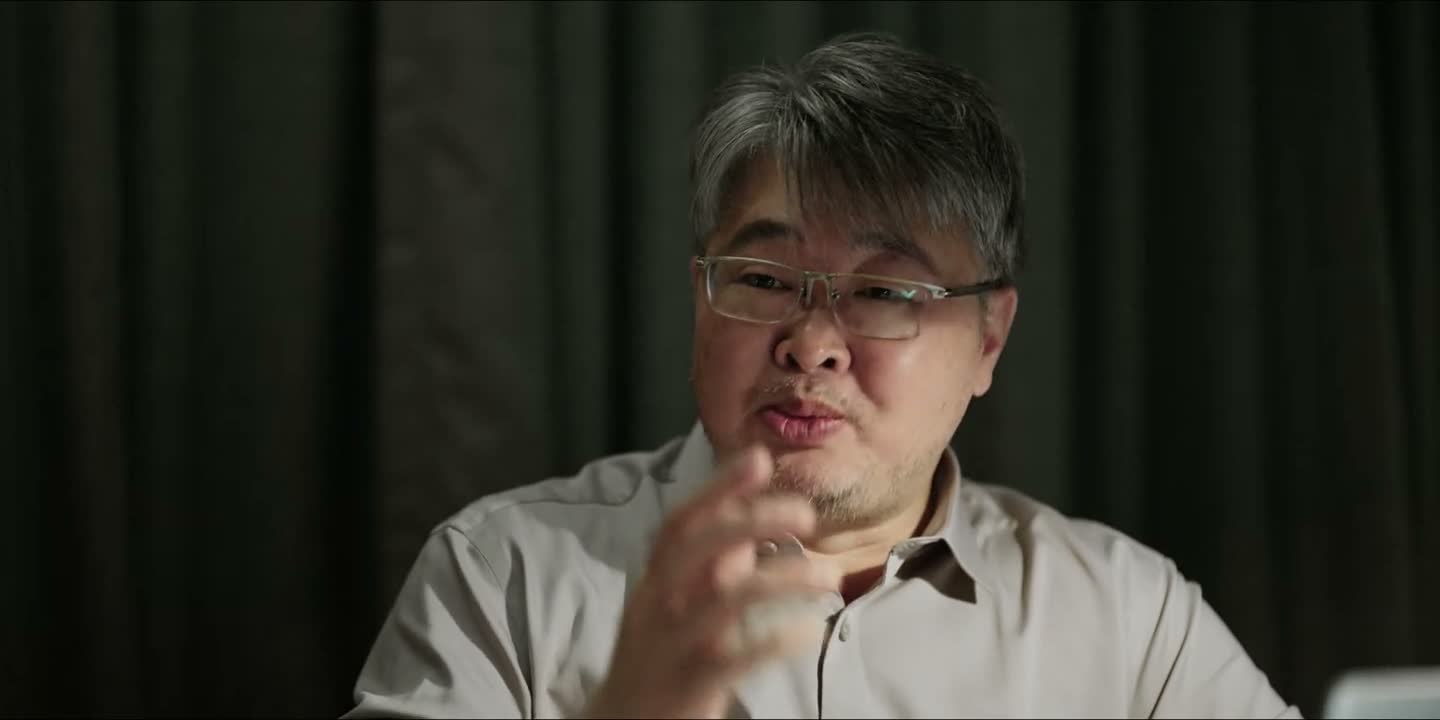
“can't possibly say he's unable to notice it, huh?”
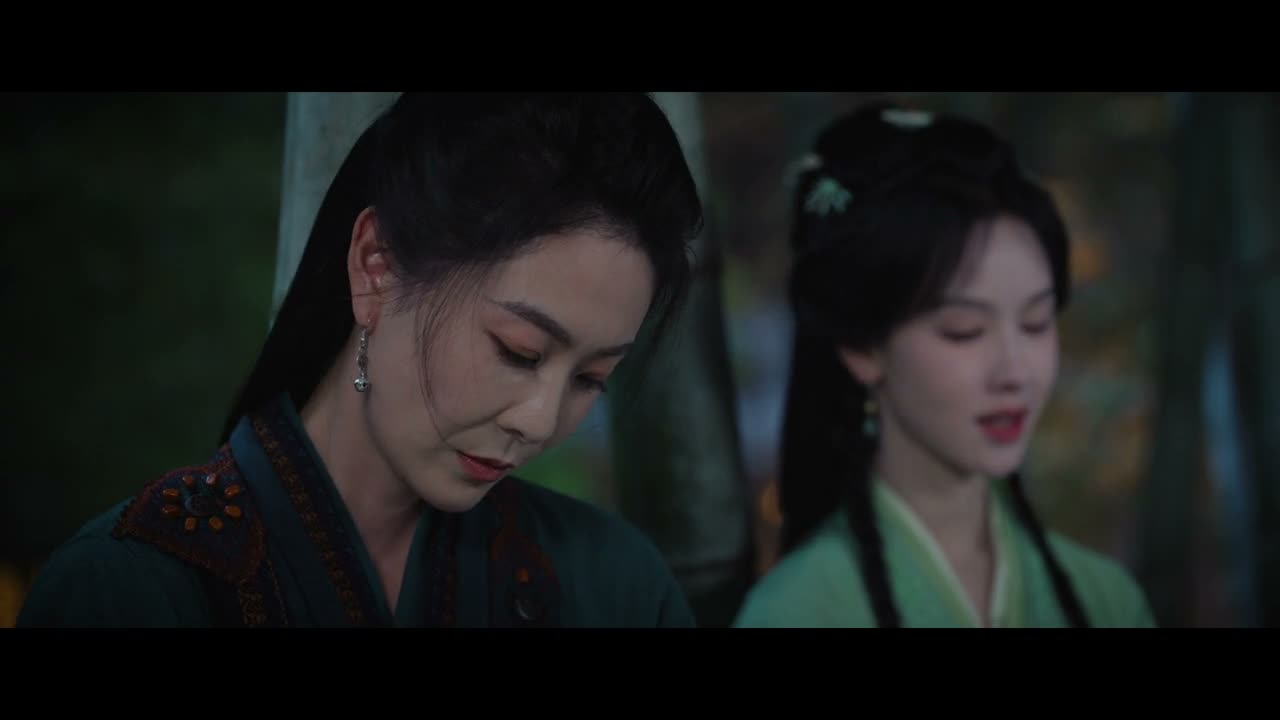
“Sadly, I didn't witness that.”

“No. I have plans.”