对了 昨天晚上我见那谁了
“By the way, I met Zhuang Bei last night.”
THE DIALOGUE REEL
没什么 我昨天晚上没睡好
“I'm fine. I didn't sleep well last night.”
对了 昨天晚上我见 那谁 了
“By the way, I met Zhuang Bei last night.”
你把他拉黑了 你别提他了 你这么烦他呀
“You blacklisted him? Don't mention him. You are so annoyed with him?”
“Guess who I bumped into last night? You won't believe it.”
Using 'na shei' (that who) allows close acquaintances to reference someone taboo, disliked, or familiar without explicitly uttering their name.
LEARNING CHUNKS & PARTICLES
by the way; oh right
Common conversational marker used to abruptly switch topics or bring up an afterthought.
you-know-who; that person whose name goes without saying
Used colloquially when both speakers know who is meant without naming them, often carrying subtle emotional coloring.
Indicates the completion of the action of meeting the person.
VOCABULARY & EXPRESSIONS
Parallel Spoken Cinema Scenes (语义近邻切片)
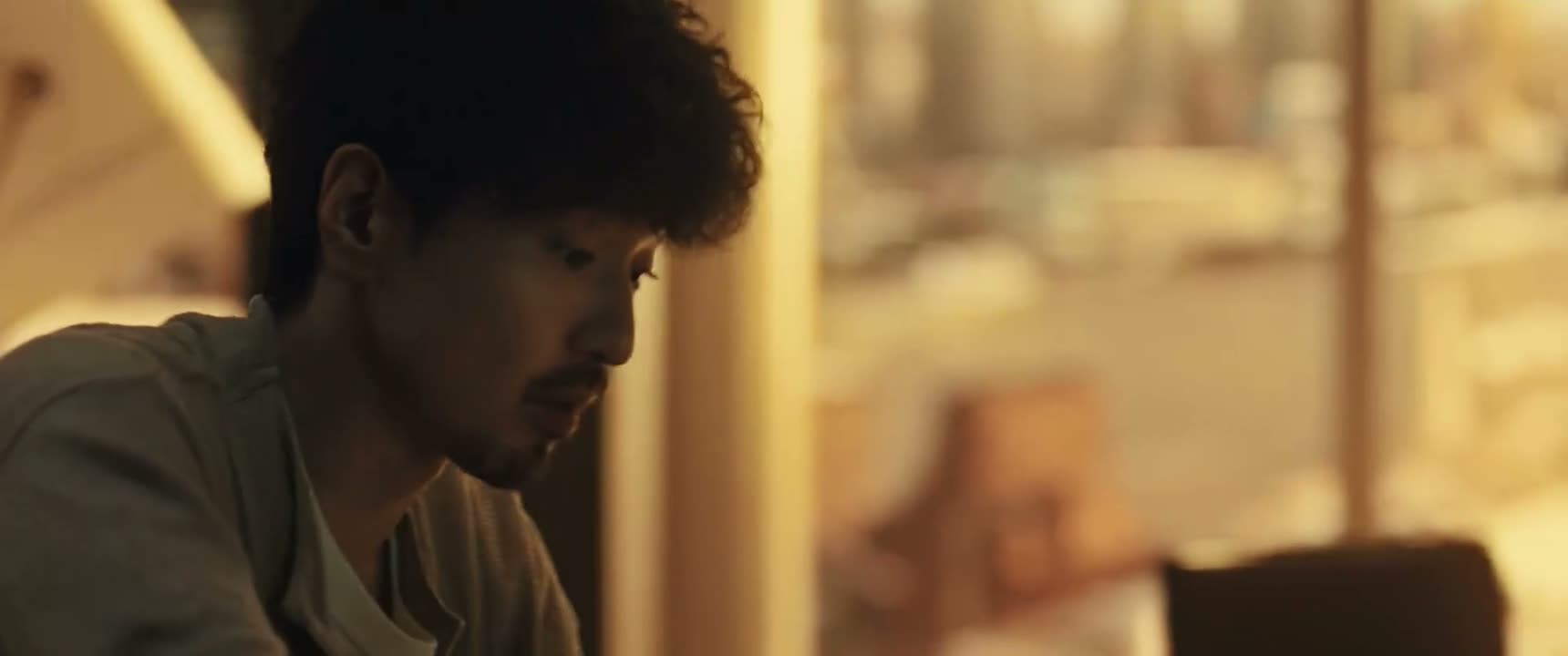
“By the way, I'll drop by tomorrow.”

“By the way, I left in a hurry yesterday, and I didn't get to hear the game review. In the end,”

“By the way, when I walk out from there later,”
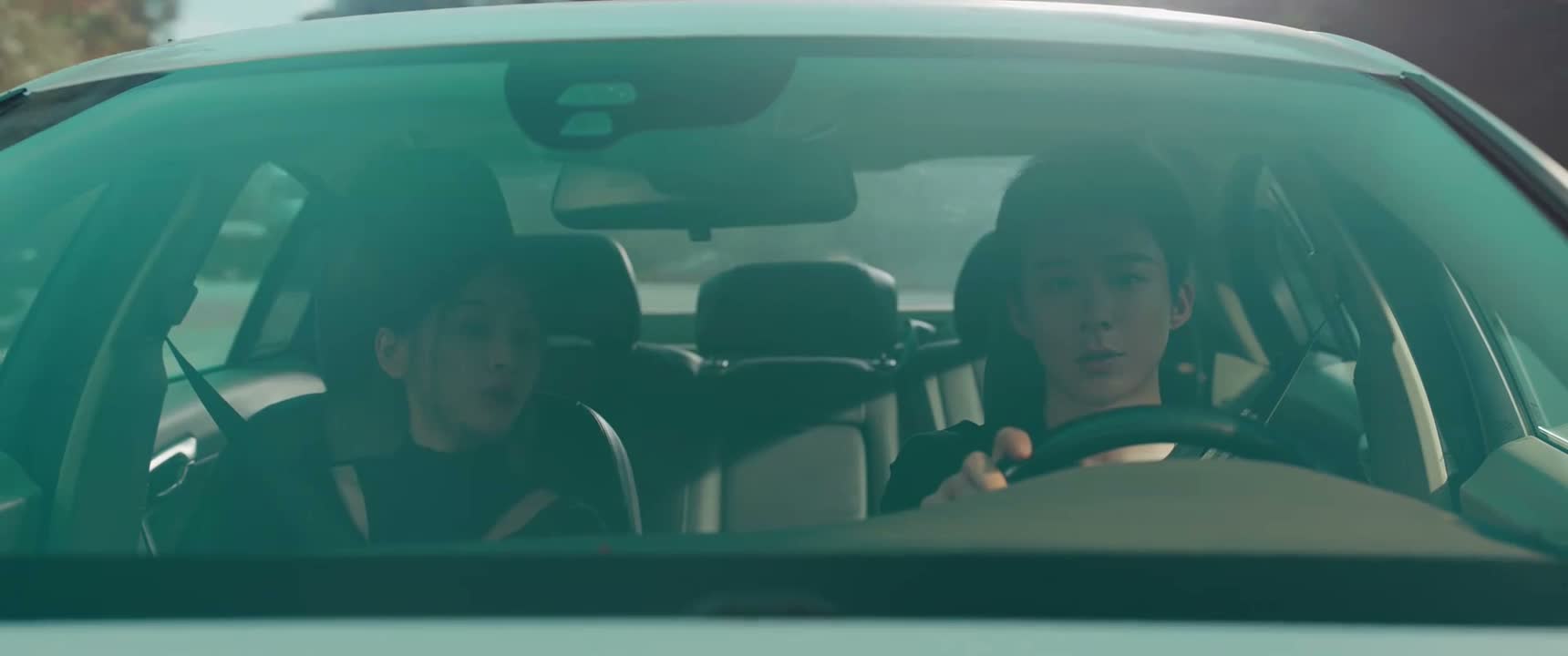
“Oh right, I forgot to tell you.”
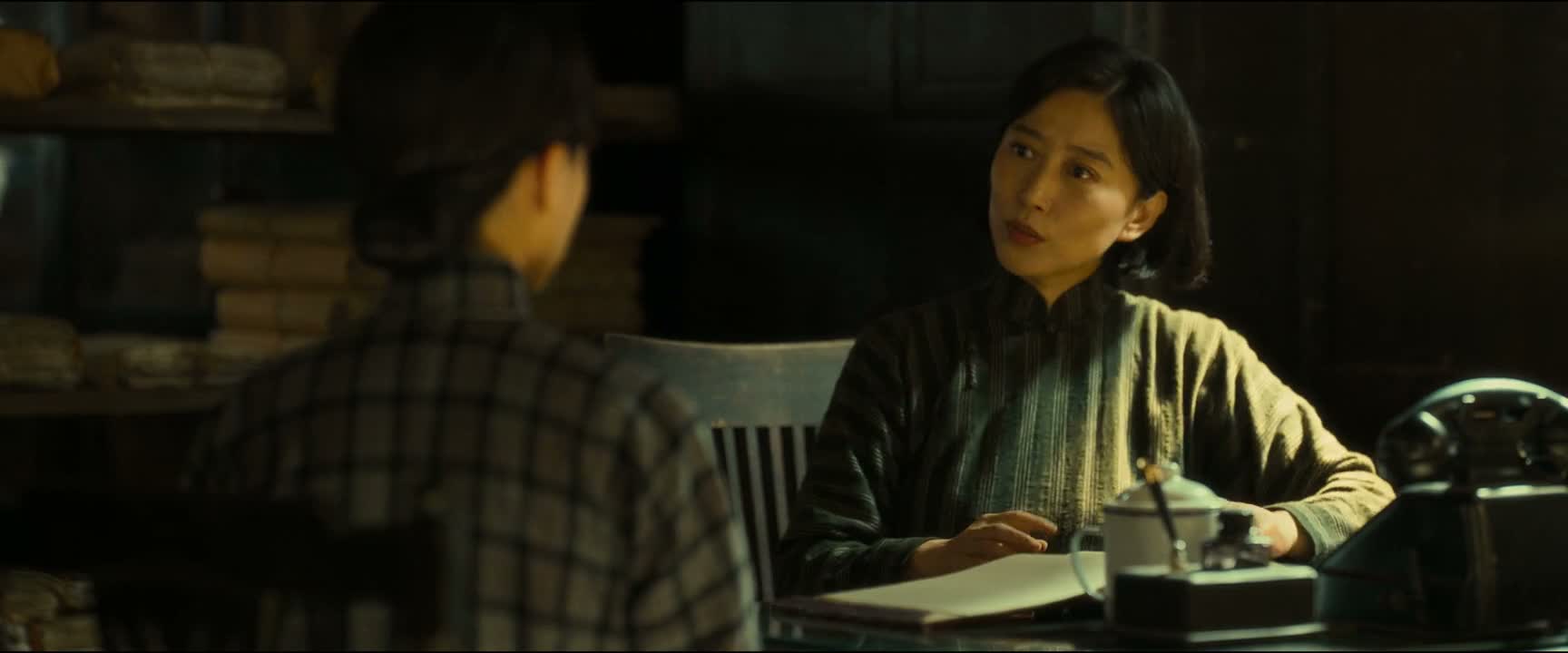
“By the way, when you go home today,”

“By the way, about the issues we discussed,”