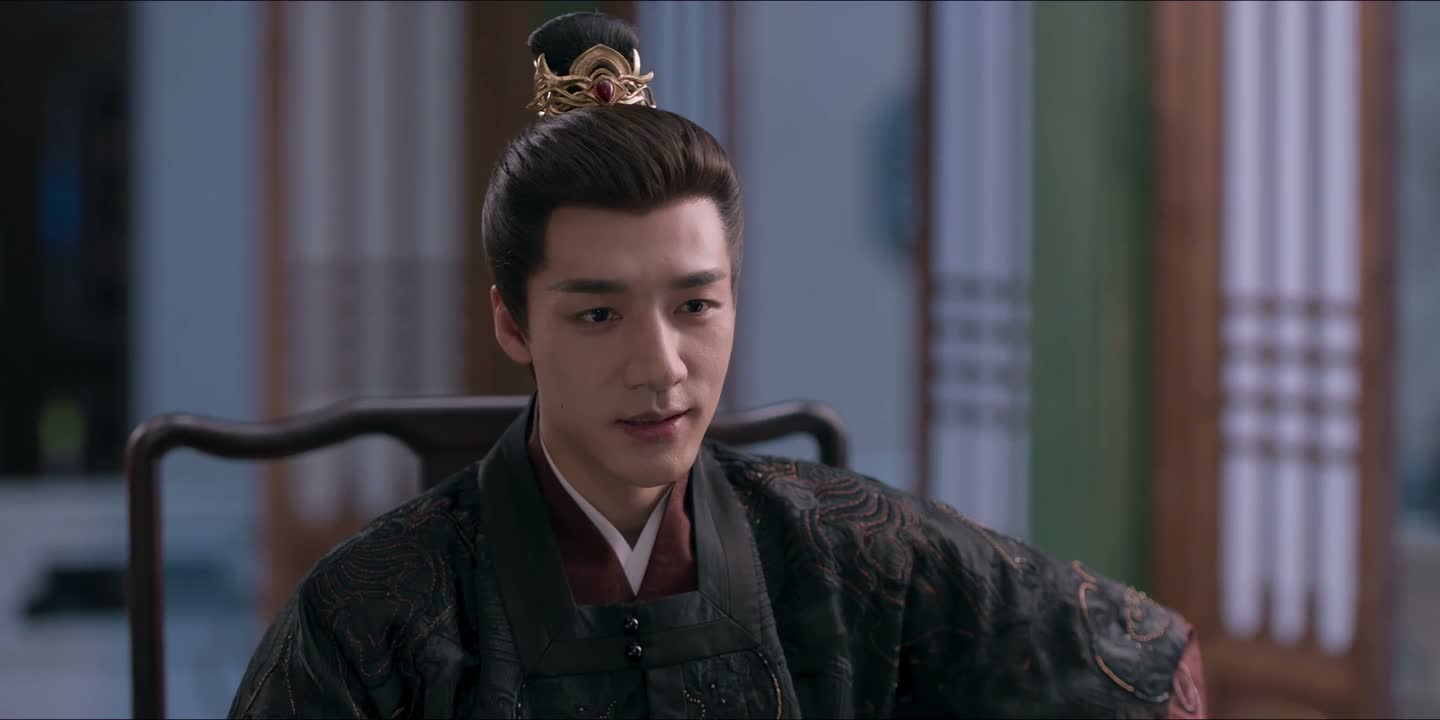
《The Heir》 S1·E27 (18:17)
HSK 7
jīn tiān zhèng yòu yào shì yǒu shén me hǎo dǎi
今天正佑要是有什么好歹
“if anything happens to Zhengyou today,”
《The Heir》
S1·E27
TIMECODE: 18:17
·
1080P MASTER AUDIO
THE DIALOGUE REEL
[-1] PREVIOUS TURN
kuài bǎ zhèng yòu fàng le niáng lǐ dé cái wǒ gào sù nǐ
快把正佑放了 娘 李德才 我告诉你
“release Zhengyou now. Mother? Li Decai, listen up,”
jīn tiān zhèng yòu yào shì yǒu shén me hǎo dǎi
CURRENT FOCUS
今天 正佑 要是有 什么 好歹
“if anything happens to Zhengyou today,”
[+1] FOLLOW-UP TURN
wǒ zhào jǐn bú huì ràng nǐ zǒu chū lǐ jiā mén nǐ gè fēng pó zi
我赵瑾不会让你走出李家门 你个疯婆子
“I, Zhao Jin, won't let you leave the Li residence! You crazy woman.”
Subtitles synced to millisecond timecode
Browse Show Clips →
Scene:
Crisis & Conflict
Function:
THREATENING
Tone:
MENACING
Emotion:
ANGER
WHAT THEY REALLY MEAN (PRAGMATIC SUBTEXT)
Direct spoken expression in this communicative setting.
💡 Cultural Insight: Euphemisms for Misfortune (好歹)
Chinese speakers often avoid explicitly saying 'injury' or 'death', instead using compound idioms like '好歹' (good or bad) to refer to unexpected mishaps.
INTENT TAGS:
#warning
#threat
#intimidation
#ultimatum
🧩
1 CHUNKS · 0 PARTICLES
LEARNING CHUNKS & PARTICLES
有个好歹
SPOKEN CHUNK
suffer an accident or misfortune
A traditional euphemism used when referring to severe injury, sudden illness, or death.
🏮
4 EXPR · 0 GRAMMAR
VOCABULARY & EXPRESSIONS
COLLOQUIAL EXPRESSIONS:
CROSS-CINEMA CORPUS BOARD · PARALLEL SCENES
EXPLORE BY SEMANTIC SIMILARITY
Parallel Spoken Cinema Scenes (语义近邻切片)
《The Heir》 S1·E27 (18:17) · Authentic Cinema Dialogue Corpus