你说张放为什么改名呢
“Why do you think Zhang Fang changed his name?”
THE DIALOGUE REEL
“No wonder Bai Shu had no idea where he was all these years.”
你说 张放 为什么 改名呢
“Why do you think Zhang Fang changed his name?”
车祸哪年
“(Zhang Fang, who changed his name) What year was the accident?”
“Changing a name is suspicious—what could he be hiding?”
In Chinese social context, changing one's legal name in adulthood often carries significant social implications, frequently associated with major life disruptions, severing ties, or hiding a troubled past.
LEARNING CHUNKS & PARTICLES
what do you think; tell me
A very common conversational opener used to solicit an opinion or initiate speculative dialogue.
change one's name
Used when referring to someone formally or informally adopting a new name.
Softens the interrogative tone while highlighting curiosity and prompting reflection from the listener.
VOCABULARY & EXPRESSIONS
Parallel Spoken Cinema Scenes (语义近邻切片)

“that you changed your name and identity”

“that you changed your name and identity”

“Why faint? What's wrong? Zhang Fang! Wake up. Zhang Fang!”

“-It's Liu Chuanguang. -Why is it Liu Chuanguang?”
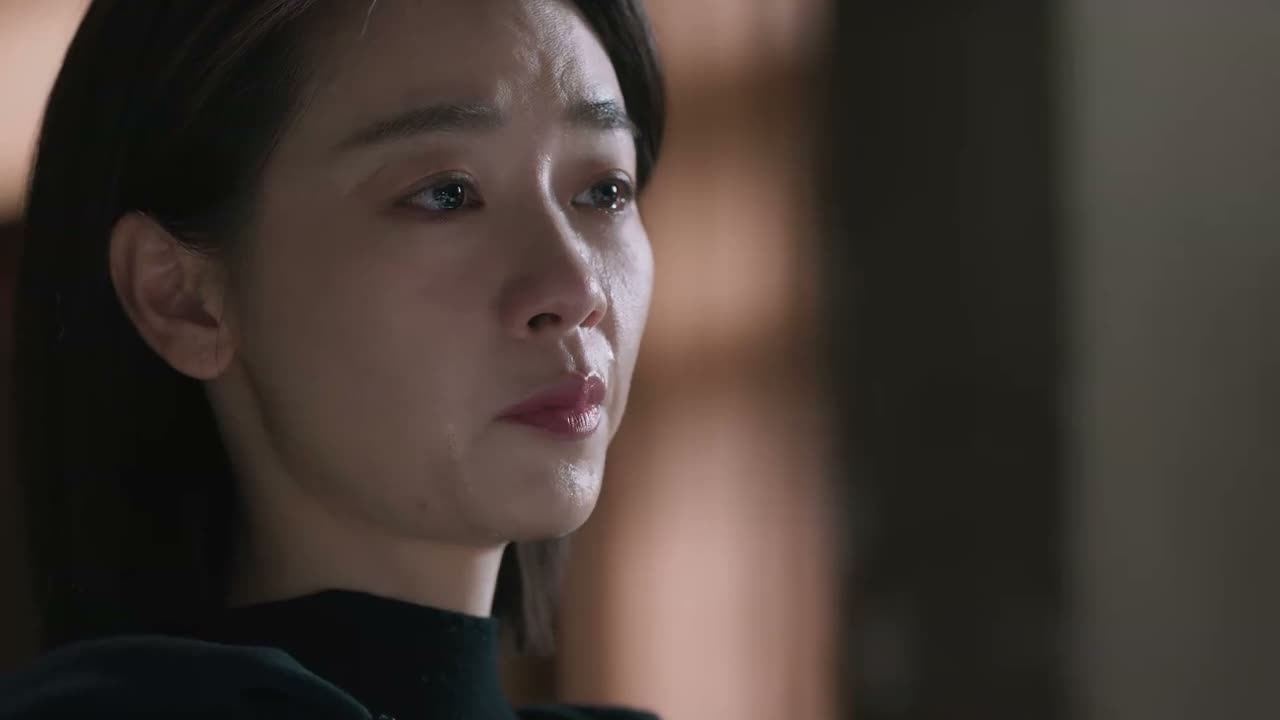
“For these years, you changed your name and hid.”

“This is Zhang Fang. How is Zhang Fang?”