咱俩都多久没聊天了 你气性咋这么大呢
“We haven't talked for days. Why are you so mad at me?”
THE DIALOGUE REEL
马洋
“Ma Yang.”
咱俩 都多久没 聊 天了 你气性 咋这么 大 呢
“We haven't talked for days. Why are you so mad at me?”
唐代 白居易
“The Tang poet Bai Juyi wrote,”
“Come on, it has been ages—let it go already and talk to me.”
In close Chinese friendships, pointing out that someone is easily angered or being stubborn is often done playfully rather than critically, aiming to restore harmony without a formal apology.
LEARNING CHUNKS & PARTICLES
the two of us
A highly colloquial northern Chinese term used to create an inclusive, friendly bond with the listener.
quick-tempered or holding grudges easily
Commonly used in casual speech to describe someone who gets angry easily or stays mad for a long time.
Marks a change of state regarding the duration since their last talk.
Softens the rhetorical question and adds a puzzled or teasing tone.
VOCABULARY & EXPRESSIONS
Parallel Spoken Cinema Scenes (语义近邻切片)

“We haven't seen each other for so long.”

“We haven't seen each other for years. Not even a phone call.”
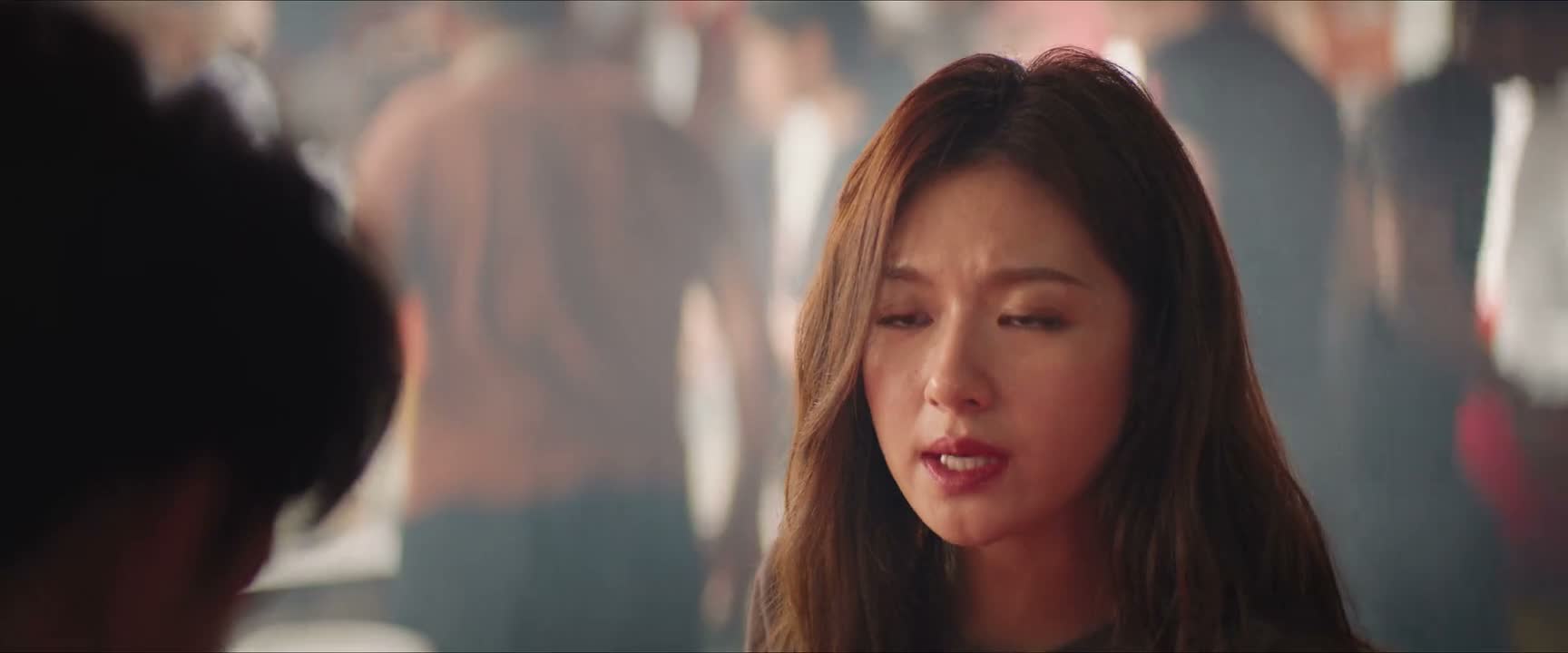
“How long has it been since we last saw each other?”

“It's been long since you spoke to me like this.”
“We haven't called in a long time.”