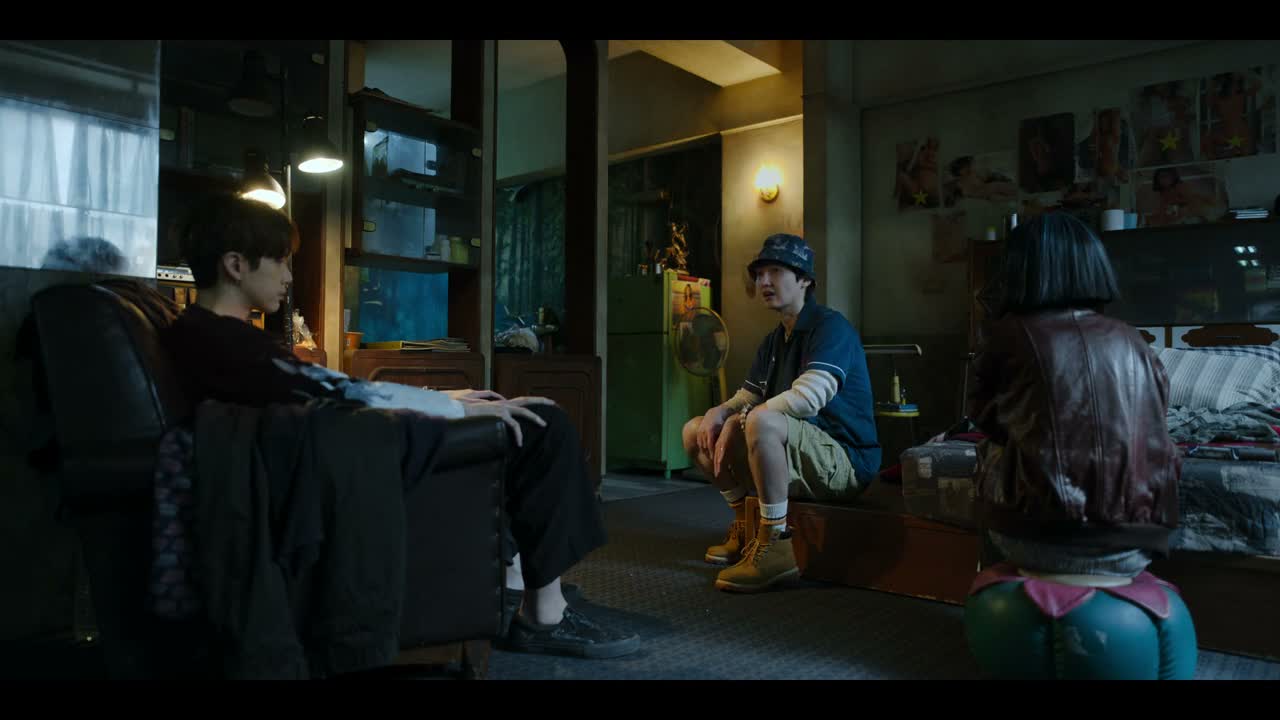
那个惨啊 - 我都晓得 - 别说了
“When Officer Ran died, it was brutal. Even I know about that. - Stop talking. - How could he not know?”
THE DIALOGUE REEL
“What's wrong with him? Has he gone senile? When Officer Ran died, it was brutal. Even I know about that.”
那个惨啊 - 我 都晓得 - 别说了
“When Officer Ran died, it was brutal. Even I know about that. - Stop talking. - How could he not know?”
- 他怎么会不晓得? - 你说什么?
“- Stop talking. - How could he not know? What did you say? Shut your trap!”
“Drop it right now, I know exactly how horrible it was and I don't want to hear another word.”
Directly recounting agonizing deaths or graphic tragedies is often suppressed in Chinese discourse out of respect for the deceased or to prevent collective emotional distress.
LEARNING CHUNKS & PARTICLES
how tragic it was / it was absolutely horrific
Used as an exclamatory phrase to emphasize extreme suffering or a gruesome scene.
I know all about it
A colloquial/regional equivalent of '我都明白' or '我全知道', used here to acknowledge shared knowledge and preempt further explanation.
stop talking / say no more
A direct imperative used to cut someone off when a topic becomes painful, irritating, or inappropriate.
Adds an exclamatory tone, conveying visceral emotional shock and distress about the tragedy.
VOCABULARY & EXPRESSIONS
Parallel Spoken Cinema Scenes (语义近邻切片)

“You made things difficult for me.”

“Her power is terrifying. You never saw it then.”

“the next victim could be someone dear to you.”
“Oh man, this is really bad.”

“You've made me suffer so much.”

“I was particularly miserable? So you gave me the green light?”