不用等你林叔了 他跟同事临时调了个班
“No need to watch for Mr. Lin. He suddenly switched shifts with a coworker.”
THE DIALOGUE REEL
来来腾达 吃鸡吃鸡
“Come, Tengda. Eat some chicken.”
不用 等你 林叔 了 他跟 同事 临时 调了个班
“No need to watch for Mr. Lin. He suddenly switched shifts with a coworker.”
“But Lin Mei will be back soon. Come on.”
Direct spoken expression in this communicative setting.
In Chinese etiquette, juniors must wait for family elders before eating; a host must explicitly say '不用等' to free guests from this obligation.
LEARNING CHUNKS & PARTICLES
no need to wait
A polite phrase used by hosts to release guests from the dining etiquette of waiting for elders.
swapped a shift
Everyday workplace and lifestyle term for rearranging work hours with a coworker.
Indicates a newly arisen situation and completed decision that changes current plans.
VOCABULARY & EXPRESSIONS
Parallel Spoken Cinema Scenes (语义近邻切片)

“Wait. Don't rush. Why isn't Lin here?”

“Wait a moment. I'll prepare some food, and we can have a drink. Uncle Xu.”

“with Uncle Lin's recommendation, I didn't think much of it.”
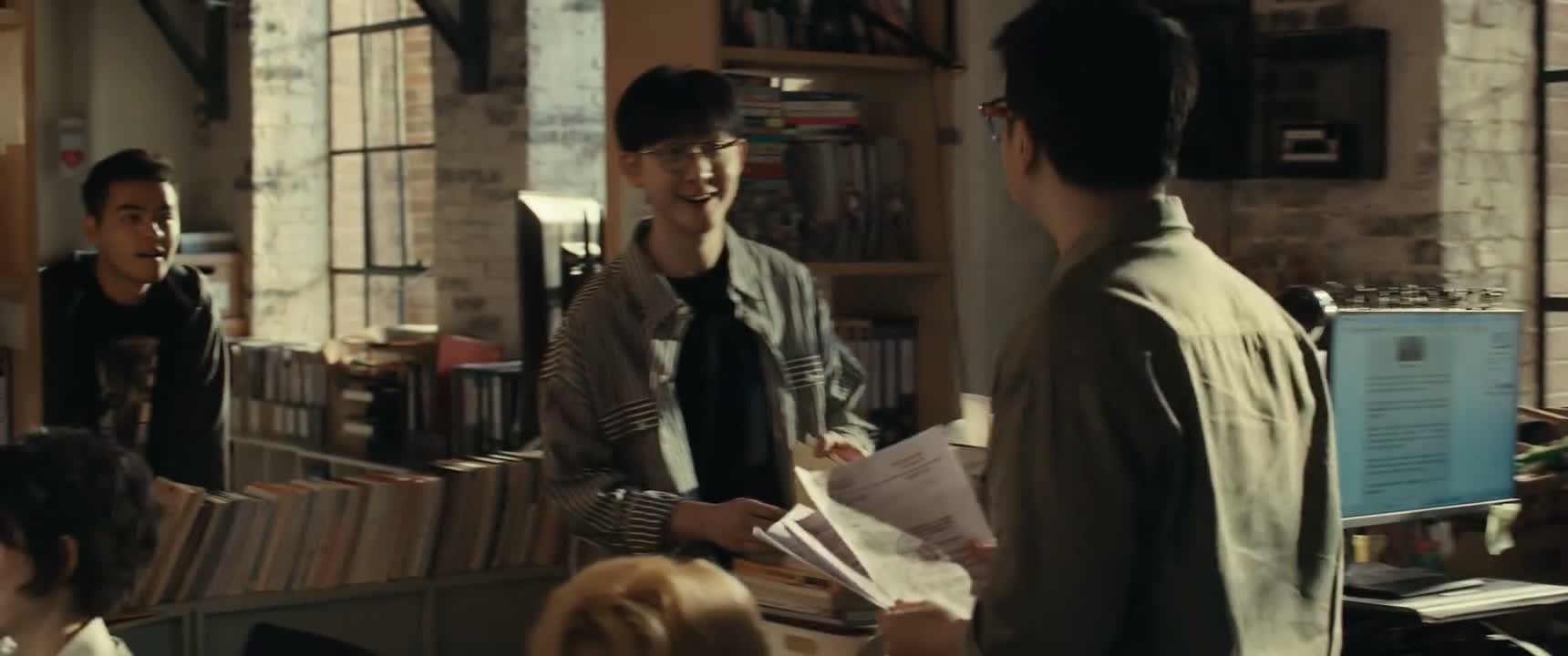
“When Ms. Lin comes later, don't start gossiping.”

“You actually let Uncle Lin talk you into fainting.”
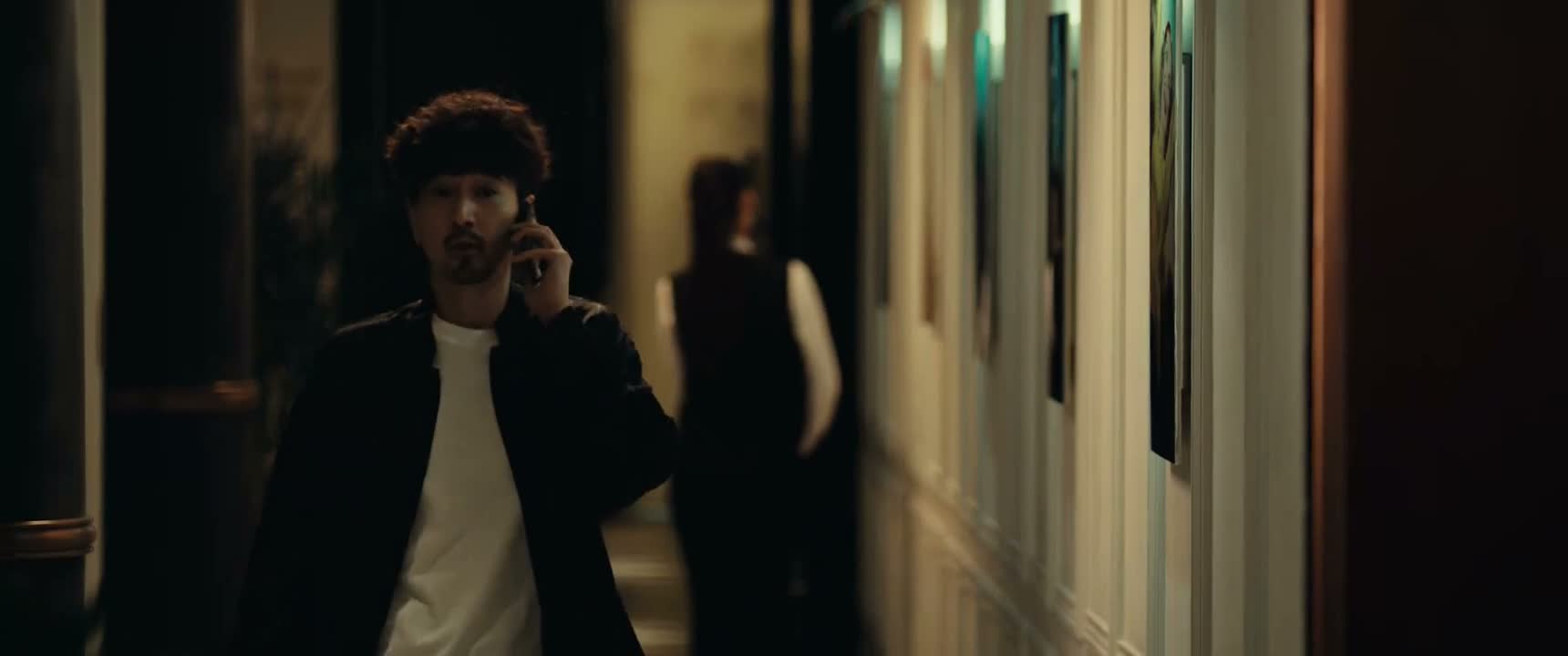
“Congratulations, Editor Lin. Why didn't you call”