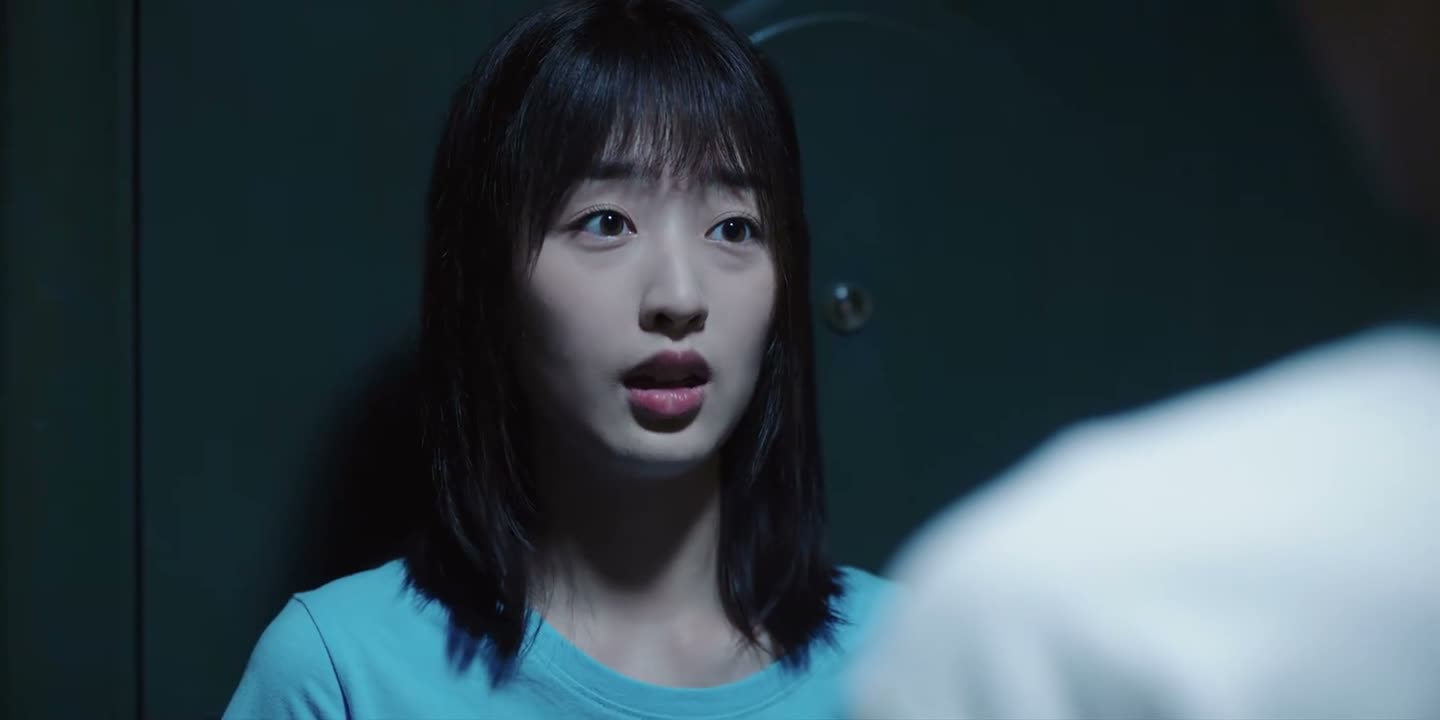
你说我们是不是特别别扭啊
“Don't you think we're kind of awkward?”
THE DIALOGUE REEL
我先去水房洗漱了
“I'm going to the washroom to wash up.”
你说我们是不是 特别别扭 啊
“Don't you think we're kind of awkward?”
明明是两口子 却非要住两个房间 这不是
“We're married, yet we sleep in separate rooms. Isn't that”
“It feels ridiculous living like strangers when we are supposed to be husband and wife.”
Reflects marital awkwardness common in contract or arranged marriages where emotional and physical intimacy lag behind legal status.
LEARNING CHUNKS & PARTICLES
don't you think / tell me
A common conversational opener used to solicit the listener's perspective or introduce an observation.
extremely awkward / unnatural
Used to describe an uncomfortable psychological state, strained interaction, or clashing situation.
Softens the rhetorical question, turning a potential complaint into a gentle prompt for agreement.
VOCABULARY & EXPRESSIONS
Parallel Spoken Cinema Scenes (语义近邻切片)
“Then we'll both be awkward.”

“Well, we will just be posing, right?”

“is playing a joke on us?”

“doesn't it feel wrong?”